


Gifting Made Simple
Give the Gift of ChoiceClick below to purchase a Prairie Mall eGift Card that can be used at participating retailers at Prairie Mall.Buy Gift CardHome
Creating Restorative Justice: A Communication Perspective of Justice, Restoration, and Community
Coles
Loading Inventory...
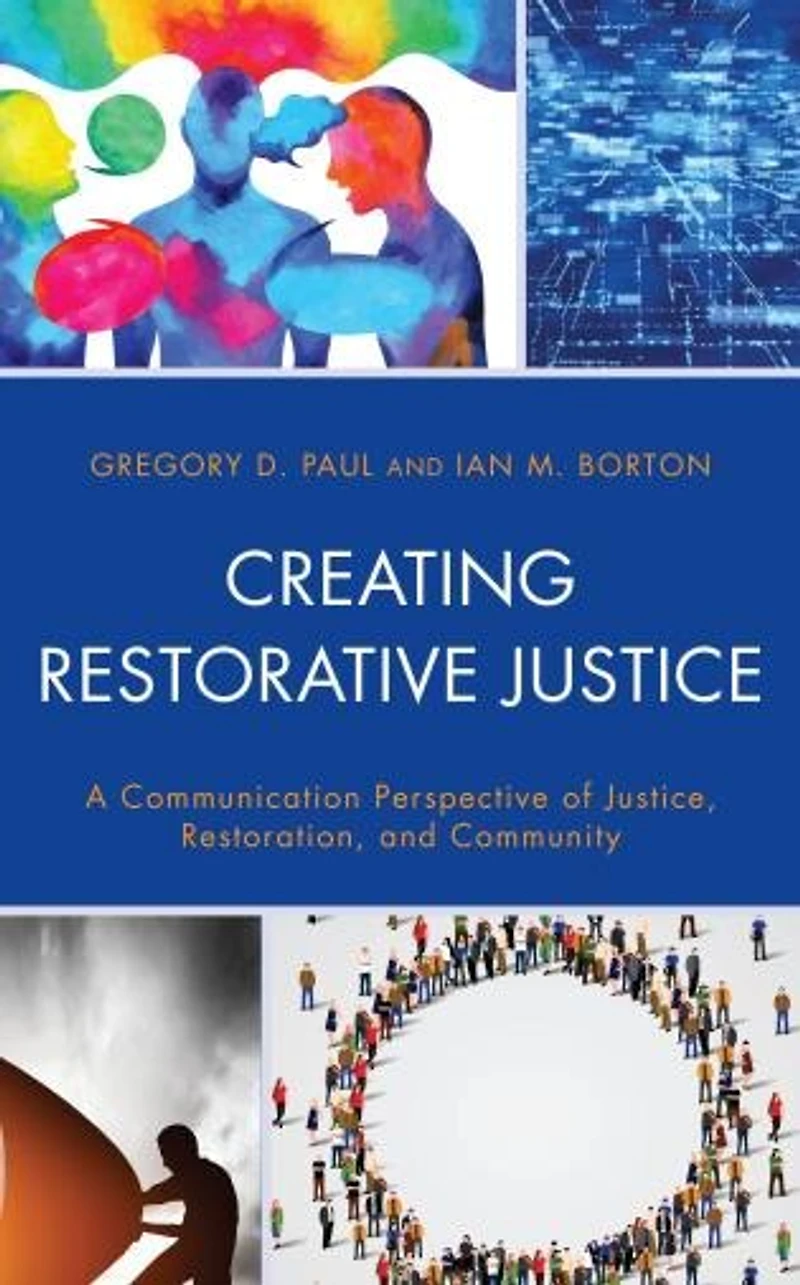
Creating Restorative Justice: A Communication Perspective of Justice, Restoration, and Community in Grande Prairie, AB
Current price: $160.95
Coles
Creating Restorative Justice: A Communication Perspective of Justice, Restoration, and Community in Grande Prairie, AB
Current price: $160.95
Loading Inventory...
Size: Hardcover
*Product information and pricing may vary - to confirm current pricing, availability, shipping, and return information please contact Coles. In the event of a pricing discrepancy, the retailer's price will apply.
Discussion of the histories, meanings, and assumptions of restorative justice have enriched the development of its theory, research, and practices. While some of this work has addressed the role of communication, the treatment of communication within restorative justice remains rather under-developed. Communication plays a central role in processes of restoration and justice and a constitutive role in making restorative justice what it is. In Creating Restorative Justice: A Communication Perspective of Justice, Restoration, and Community, Gregory D. PaulandIan M. Borton argue that by centering communication in restorative justice as it occurs in various contexts (from families, to schools, to communities), we can simultaneously deepen our understanding, enrich our practice, and amplify our study of restoration and justice. From a communication perspective, restorative contexts both use and are created by the communication present. Any outcomes from restorative processes are thus the product of the communication both within and between restorative practices' participants. As the world addresses the challenges presented by injustice, inequality, and insecurity, it is incumbent we expand our understanding of restorative processes to account for the vital role of communication.
Discussion of the histories, meanings, and assumptions of restorative justice have enriched the development of its theory, research, and practices. While some of this work has addressed the role of communication, the treatment of communication within restorative justice remains rather under-developed. Communication plays a central role in processes of restoration and justice and a constitutive role in making restorative justice what it is. In Creating Restorative Justice: A Communication Perspective of Justice, Restoration, and Community, Gregory D. PaulandIan M. Borton argue that by centering communication in restorative justice as it occurs in various contexts (from families, to schools, to communities), we can simultaneously deepen our understanding, enrich our practice, and amplify our study of restoration and justice. From a communication perspective, restorative contexts both use and are created by the communication present. Any outcomes from restorative processes are thus the product of the communication both within and between restorative practices' participants. As the world addresses the challenges presented by injustice, inequality, and insecurity, it is incumbent we expand our understanding of restorative processes to account for the vital role of communication.
You May Also Like








Find at Prairie Mall in Grande Prairie, AB
Visit at Prairie Mall in Grande Prairie, AB