


Gifting Made Simple
Give the Gift of ChoiceClick below to purchase a Prairie Mall eGift Card that can be used at participating retailers at Prairie Mall.Buy Gift CardHome
Cotton Kingdom: A Traveller's Observations on Cotton and Slavery in the American Slave States. Based upon Three Former Volumes of Journeys and Investigations . Volume One
Coles
Loading Inventory...
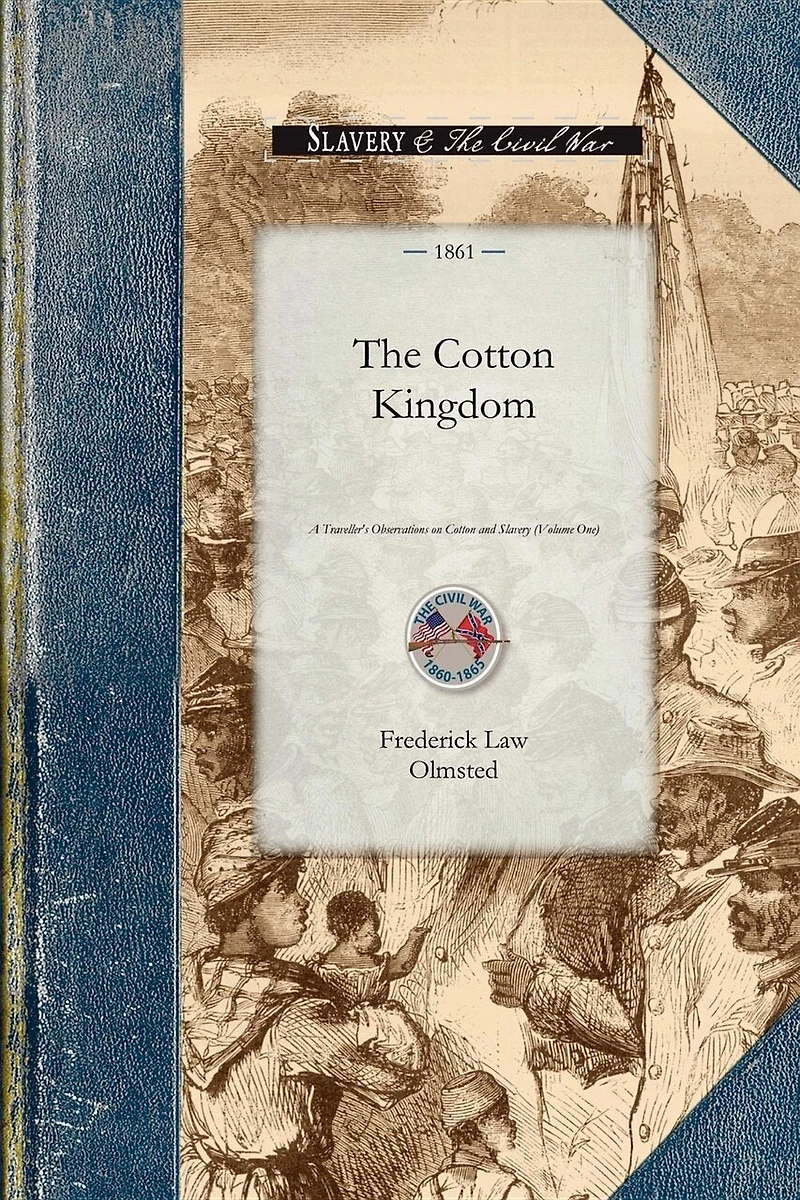
Cotton Kingdom: A Traveller's Observations on Cotton and Slavery in the American Slave States. Based upon Three Former Volumes of Journeys and Investigations . Volume One in Grande Prairie, AB
Current price: $31.50
Coles
Cotton Kingdom: A Traveller's Observations on Cotton and Slavery in the American Slave States. Based upon Three Former Volumes of Journeys and Investigations . Volume One in Grande Prairie, AB
Current price: $31.50
Loading Inventory...
Size: Paperback
*Product information and pricing may vary - to confirm current pricing, availability, shipping, and return information please contact Coles. In the event of a pricing discrepancy, the retailer's price will apply.
Frederick Law Olmsted (1822-1903) is best known for designing parks in Manhattan, Brooklyn, Chicago, Boston, and the grounds of the Capitol in Washington. But before he embarked upon his career as the nation's foremost landscape architect, he was a correspondent for theNew York Times, and it was under its auspices that he journeyed through the slave states in the 1850s. His day-by-day observations--including intimate accounts of the daily lives of masters and slaves, the operation of the plantation system, and the pernicious effects of slavery on all classes of society, black and white--were largely collected in The Cotton Kingdom. Published in 1861, just as the Southern states were storming out of the Union, it has been hailed ever since as singularly fair and authentic, an unparalleled account of America's "peculiar institution."
Frederick Law Olmsted (1822-1903) is best known for designing parks in Manhattan, Brooklyn, Chicago, Boston, and the grounds of the Capitol in Washington. But before he embarked upon his career as the nation's foremost landscape architect, he was a correspondent for theNew York Times, and it was under its auspices that he journeyed through the slave states in the 1850s. His day-by-day observations--including intimate accounts of the daily lives of masters and slaves, the operation of the plantation system, and the pernicious effects of slavery on all classes of society, black and white--were largely collected in The Cotton Kingdom. Published in 1861, just as the Southern states were storming out of the Union, it has been hailed ever since as singularly fair and authentic, an unparalleled account of America's "peculiar institution."
You May Also Like



















Find at Prairie Mall in Grande Prairie, AB
Visit at Prairie Mall in Grande Prairie, AB