


Gifting Made Simple
Give the Gift of ChoiceClick below to purchase a Prairie Mall eGift Card that can be used at participating retailers at Prairie Mall.Buy Gift CardHome
Corporate Capitalism and the Integral State: General Electric a Century of American Power
Coles
Loading Inventory...
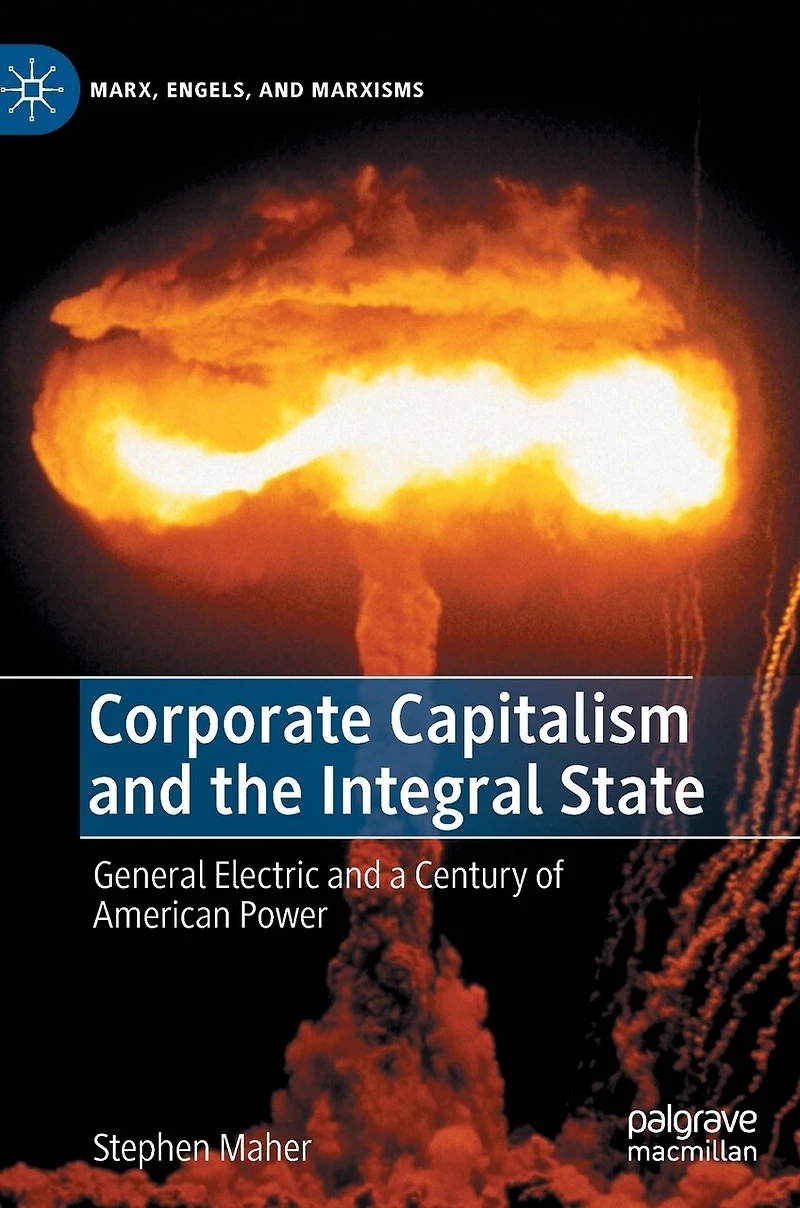
Corporate Capitalism and the Integral State: General Electric a Century of American Power in Grande Prairie, AB
Current price: $233.95
Coles
Corporate Capitalism and the Integral State: General Electric a Century of American Power in Grande Prairie, AB
Current price: $233.95
Loading Inventory...
Size: Hardcover
*Product information and pricing may vary - to confirm current pricing, availability, shipping, and return information please contact Coles. In the event of a pricing discrepancy, the retailer's price will apply.
This book advances an original conception of the relationship between state and corporate power in the United States. Using what he terms an Institutional Marxist framework, Maher argues that, far from passively responding to interest group pressures, the state has been a key agent in politically mobilizing business, and has played an active role in the organization of lobbying groups. Such business associations do not merely express the pre-existing interests of their corporate members, but are also mechanisms through which the state organizes the political power of the capitalist class. They form part of what the author refers to as an integral state -a wider network of state power which traverses and interpenetrates the state bureaucracy, the legislature, the industrial policy apparatus, and corporate governance. Based on extensive archival research, this book tracks the role of the General Electric Company as a pillar of the integral state in the United States from the finance capital period (1880 to 1930), through the managerial period (1930-1979), to the restructuring leading up to the age of neoliberalism (1979-present).
This book advances an original conception of the relationship between state and corporate power in the United States. Using what he terms an Institutional Marxist framework, Maher argues that, far from passively responding to interest group pressures, the state has been a key agent in politically mobilizing business, and has played an active role in the organization of lobbying groups. Such business associations do not merely express the pre-existing interests of their corporate members, but are also mechanisms through which the state organizes the political power of the capitalist class. They form part of what the author refers to as an integral state -a wider network of state power which traverses and interpenetrates the state bureaucracy, the legislature, the industrial policy apparatus, and corporate governance. Based on extensive archival research, this book tracks the role of the General Electric Company as a pillar of the integral state in the United States from the finance capital period (1880 to 1930), through the managerial period (1930-1979), to the restructuring leading up to the age of neoliberalism (1979-present).
You May Also Like











Find at Prairie Mall in Grande Prairie, AB
Visit at Prairie Mall in Grande Prairie, AB