


Gifting Made Simple
Give the Gift of ChoiceClick below to purchase a Prairie Mall eGift Card that can be used at participating retailers at Prairie Mall.Buy Gift CardHome
Convict Labor in the Portuguese Empire, 1740-1932: Redefining the Empire with Forced Labor and New Imperialism
Coles
Loading Inventory...
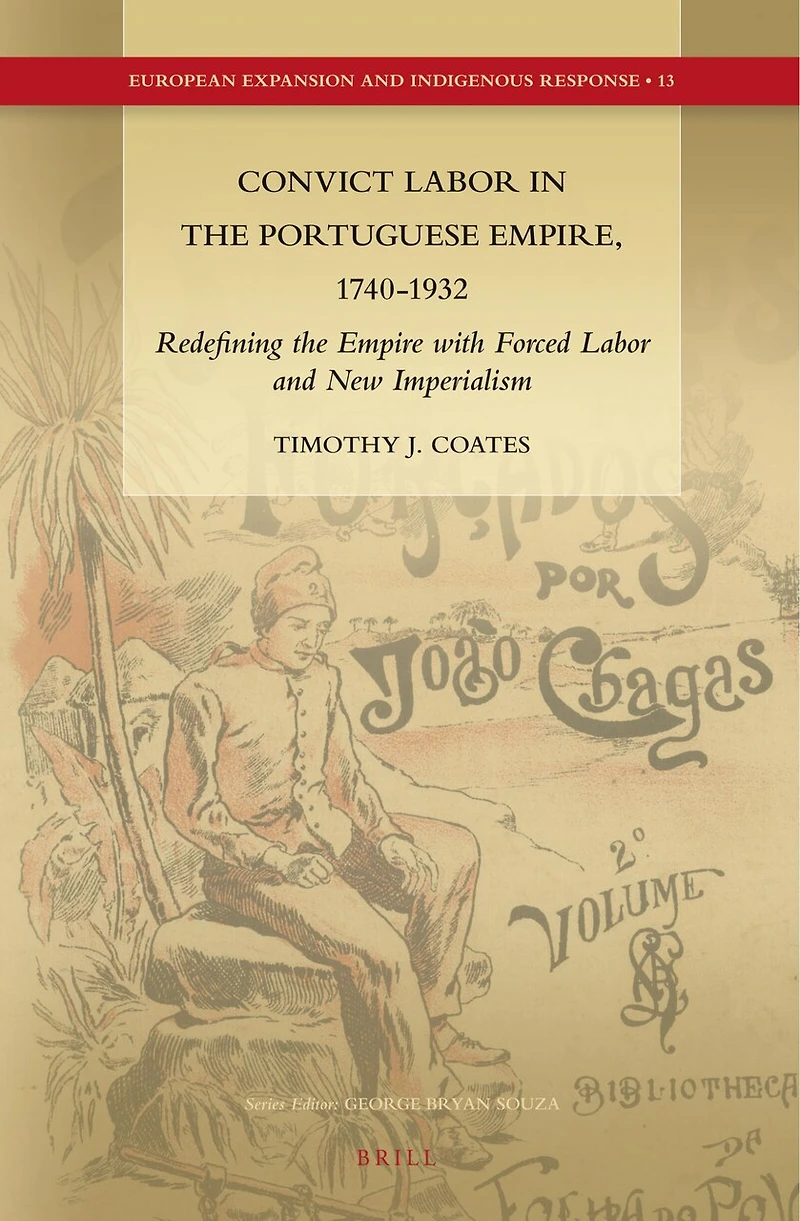
Convict Labor in the Portuguese Empire, 1740-1932: Redefining the Empire with Forced Labor and New Imperialism in Grande Prairie, AB
Current price: $206.99
Coles
Convict Labor in the Portuguese Empire, 1740-1932: Redefining the Empire with Forced Labor and New Imperialism in Grande Prairie, AB
Current price: $206.99
Loading Inventory...
Size: Hardcover
*Product information and pricing may vary - to confirm current pricing, availability, shipping, and return information please contact Coles. In the event of a pricing discrepancy, the retailer's price will apply.
Forced convict labor provided the Portuguese with solutions to the growing criminal population at home and the lack of infrastructure in Angola and Mozambique. In Convict Labor in the Portuguese Empire , Timothy J. Coates examines the role of large numbers of convicts in Portuguese Africa from 1800 until 1932. This work examines the numbers, rationale, and realities of convict labor (largely) in Angola during this period, but Mozambique is a secondary area, as well as late colonial times in Brazil.
This is a unique, first study of an experiment in convict labor in Africa directed by a European power; it will be welcomed by scholars of Africa and New Imperialism, as well as those interested in law and labor.
Forced convict labor provided the Portuguese with solutions to the growing criminal population at home and the lack of infrastructure in Angola and Mozambique. In Convict Labor in the Portuguese Empire , Timothy J. Coates examines the role of large numbers of convicts in Portuguese Africa from 1800 until 1932. This work examines the numbers, rationale, and realities of convict labor (largely) in Angola during this period, but Mozambique is a secondary area, as well as late colonial times in Brazil.
This is a unique, first study of an experiment in convict labor in Africa directed by a European power; it will be welcomed by scholars of Africa and New Imperialism, as well as those interested in law and labor.
You May Also Like










Find at Prairie Mall in Grande Prairie, AB
Visit at Prairie Mall in Grande Prairie, AB