


Gifting Made Simple
Give the Gift of ChoiceClick below to purchase a Prairie Mall eGift Card that can be used at participating retailers at Prairie Mall.Buy Gift CardHome
Contentious Politics in China: Causes, Dynamics, and Consequences
Coles
Loading Inventory...
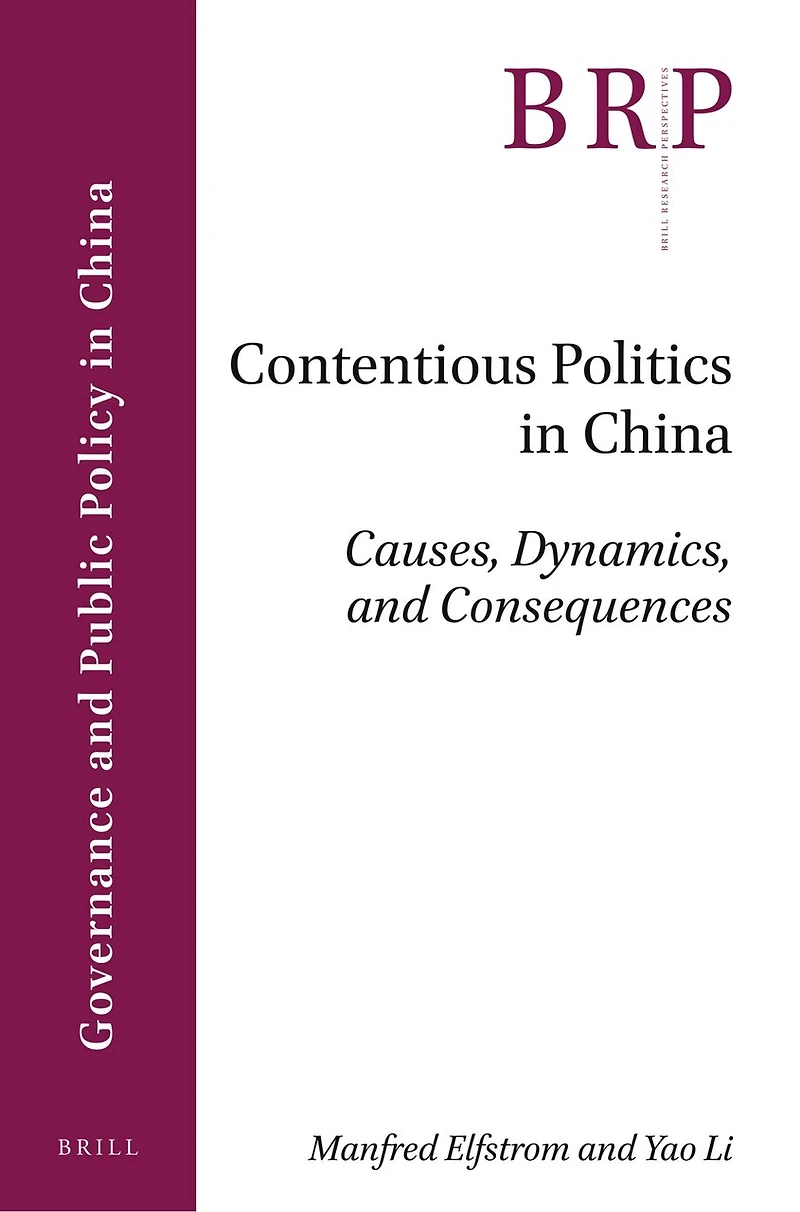
Contentious Politics in China: Causes, Dynamics, and Consequences in Grande Prairie, AB
Current price: $122.99
Coles
Contentious Politics in China: Causes, Dynamics, and Consequences in Grande Prairie, AB
Current price: $122.99
Loading Inventory...
Size: Paperback
*Product information and pricing may vary - to confirm current pricing, availability, shipping, and return information please contact Coles. In the event of a pricing discrepancy, the retailer's price will apply.
China has become a land of protests, though the Chinese state possesses considerable administrative capacity. In this volume, Manfred Elfstrom and Yao Li provide an overview of Chinese contentious politics. They dig deep into major forms of social conflict, explore structural explanations for why protest occurs in China, and describe the ways in which various organizations and framings of issues by citizens affect how protests play out. Shifting to where grassroots activism ultimately leads, Elfstrom and Li survey China’s coercive and conciliatory institutions for maintaining social control, document and explain patterns in the state’s handling of different types of resistance, and examine the social and political impact of unrest. This work not only contributes to a deeper understanding of contentious politics and governance in China, but also provides insights for studies of social movements and authoritarian politics in general.
China has become a land of protests, though the Chinese state possesses considerable administrative capacity. In this volume, Manfred Elfstrom and Yao Li provide an overview of Chinese contentious politics. They dig deep into major forms of social conflict, explore structural explanations for why protest occurs in China, and describe the ways in which various organizations and framings of issues by citizens affect how protests play out. Shifting to where grassroots activism ultimately leads, Elfstrom and Li survey China’s coercive and conciliatory institutions for maintaining social control, document and explain patterns in the state’s handling of different types of resistance, and examine the social and political impact of unrest. This work not only contributes to a deeper understanding of contentious politics and governance in China, but also provides insights for studies of social movements and authoritarian politics in general.
You May Also Like













Find at Prairie Mall in Grande Prairie, AB
Visit at Prairie Mall in Grande Prairie, AB