


Gifting Made Simple
Give the Gift of ChoiceClick below to purchase a Prairie Mall eGift Card that can be used at participating retailers at Prairie Mall.Buy Gift CardHome
Contemporary Retail Marketing Emerging Economies: The Case of Ghana's Supermarket Chains
Coles
Loading Inventory...
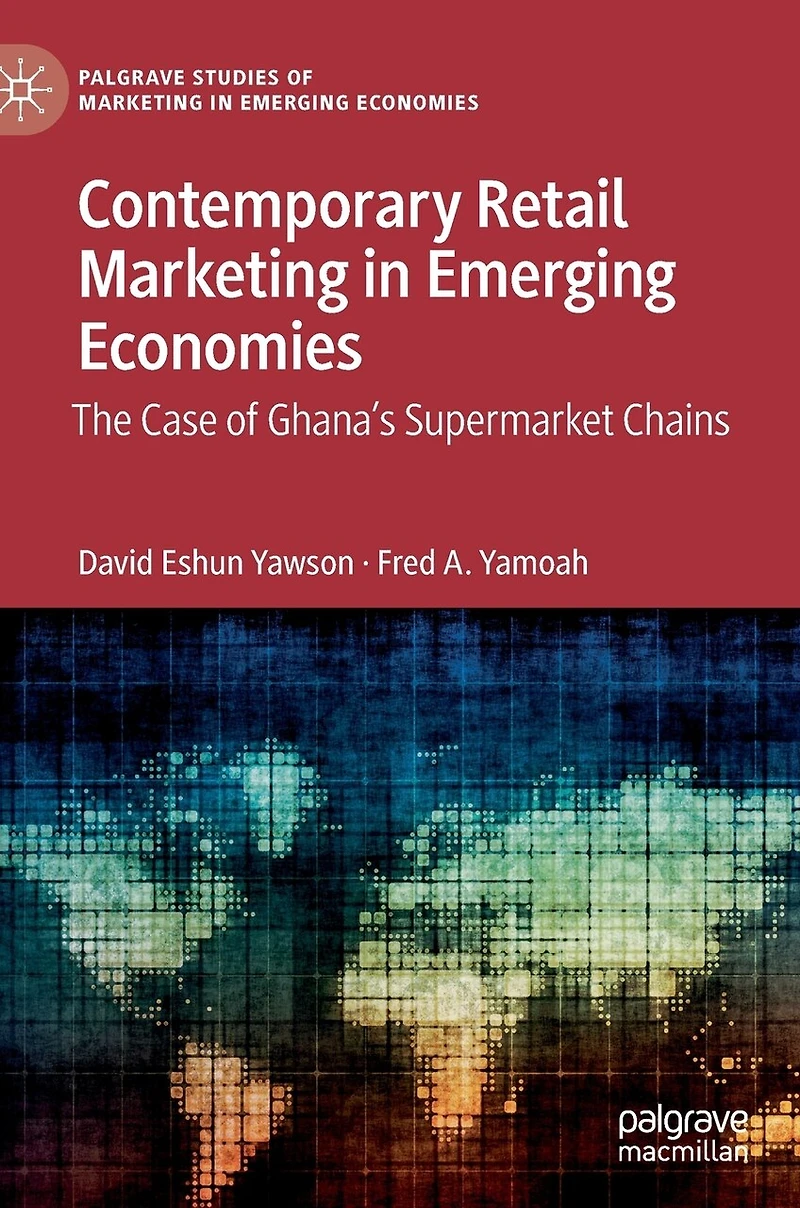

Contemporary Retail Marketing Emerging Economies: The Case of Ghana's Supermarket Chains in Grande Prairie, AB
Current price: $160.95
Coles
Contemporary Retail Marketing Emerging Economies: The Case of Ghana's Supermarket Chains in Grande Prairie, AB
Current price: $160.95
Loading Inventory...
Size: Hardcover
*Product information and pricing may vary - to confirm current pricing, availability, shipping, and return information please contact Coles. In the event of a pricing discrepancy, the retailer's price will apply.
This book highlights the development of retail marketing in developing economies and presents this sector as a major area of growth and business opportunity. With a special focus on supermarket chains, the authors show that the advancement of technology and infrastructure means that there are now increased electronic capabilities for data collection, giving retailers more opportunities to pursue micro and macro-marketing strategies. The authors explain the evolution of this new era of marketing and the associated impact on all stakeholders, especially consumers. Taking the example of Ghana, which is considered a leader among African nations in the use of loyalty cards, the authors are able to set a benchmark for other emerging countries, especially those that are experiencing similar trends. The book is a valuable resource for students, researchers and foreign companies wishing to expand their knowledge of the marketing strategies employed by emerging economies in Sub-Saharan Africa.
This book highlights the development of retail marketing in developing economies and presents this sector as a major area of growth and business opportunity. With a special focus on supermarket chains, the authors show that the advancement of technology and infrastructure means that there are now increased electronic capabilities for data collection, giving retailers more opportunities to pursue micro and macro-marketing strategies. The authors explain the evolution of this new era of marketing and the associated impact on all stakeholders, especially consumers. Taking the example of Ghana, which is considered a leader among African nations in the use of loyalty cards, the authors are able to set a benchmark for other emerging countries, especially those that are experiencing similar trends. The book is a valuable resource for students, researchers and foreign companies wishing to expand their knowledge of the marketing strategies employed by emerging economies in Sub-Saharan Africa.
You May Also Like













Find at Prairie Mall in Grande Prairie, AB
Visit at Prairie Mall in Grande Prairie, AB