


Gifting Made Simple
Give the Gift of ChoiceClick below to purchase a Prairie Mall eGift Card that can be used at participating retailers at Prairie Mall.Buy Gift CardHome
Constituent Power, Violence, and The State: Political Thought of Georges Sorel, Walter Benjamin, Hannah Arendt
Coles
Loading Inventory...
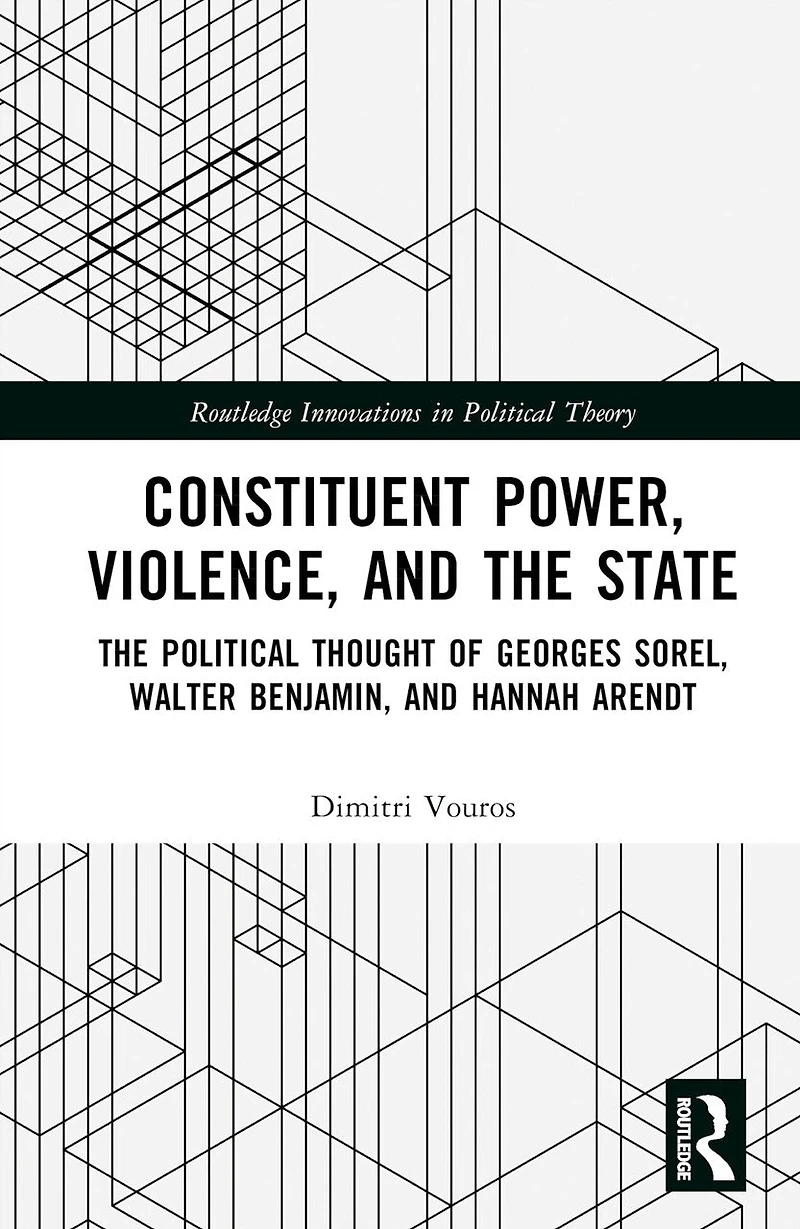
Constituent Power, Violence, and The State: Political Thought of Georges Sorel, Walter Benjamin, Hannah Arendt in Grande Prairie, AB
Current price: $281.50
Coles
Constituent Power, Violence, and The State: Political Thought of Georges Sorel, Walter Benjamin, Hannah Arendt in Grande Prairie, AB
Current price: $281.50
Loading Inventory...
Size: Hardcover
*Product information and pricing may vary - to confirm current pricing, availability, shipping, and return information please contact Coles. In the event of a pricing discrepancy, the retailer's price will apply.
In Constituent Power, Violence, and the State , Dimitri Vouros examines the question of political violence by placing the thought of Georges Sorel, Walter Benjamin, and Hannah Arendt in conversation with contemporary theories of sovereignty and constituent power. Vouros argues that the violence sustaining the modern state inhibits institutional accountability and derails constituent power. The paradox of modern law-which is both the expression of the people's will but also alienated from them-sets the stage for political contestation. For Vouros, the multitude's potentiality is actualized through either organized or spontaneous acts of resistance against state force. Antagonism is therefore a key element of the political and must be included in any theory of political agonism. A strong notion of constituent power ensures the integrity of the public sphere and the expansion of citizens' political agency. Bringing all these ideas together is unique for this field of investigation. Accessible and engagingly written, Constituent Power, Violence, and the State is a must read for researchers in political theory and political philosophy. Critical legal studies scholars and social theorists will also profit from this book.
In Constituent Power, Violence, and the State , Dimitri Vouros examines the question of political violence by placing the thought of Georges Sorel, Walter Benjamin, and Hannah Arendt in conversation with contemporary theories of sovereignty and constituent power. Vouros argues that the violence sustaining the modern state inhibits institutional accountability and derails constituent power. The paradox of modern law-which is both the expression of the people's will but also alienated from them-sets the stage for political contestation. For Vouros, the multitude's potentiality is actualized through either organized or spontaneous acts of resistance against state force. Antagonism is therefore a key element of the political and must be included in any theory of political agonism. A strong notion of constituent power ensures the integrity of the public sphere and the expansion of citizens' political agency. Bringing all these ideas together is unique for this field of investigation. Accessible and engagingly written, Constituent Power, Violence, and the State is a must read for researchers in political theory and political philosophy. Critical legal studies scholars and social theorists will also profit from this book.
You May Also Like











Find at Prairie Mall in Grande Prairie, AB
Visit at Prairie Mall in Grande Prairie, AB