


Gifting Made Simple
Give the Gift of ChoiceClick below to purchase a Prairie Mall eGift Card that can be used at participating retailers at Prairie Mall.Buy Gift CardHome
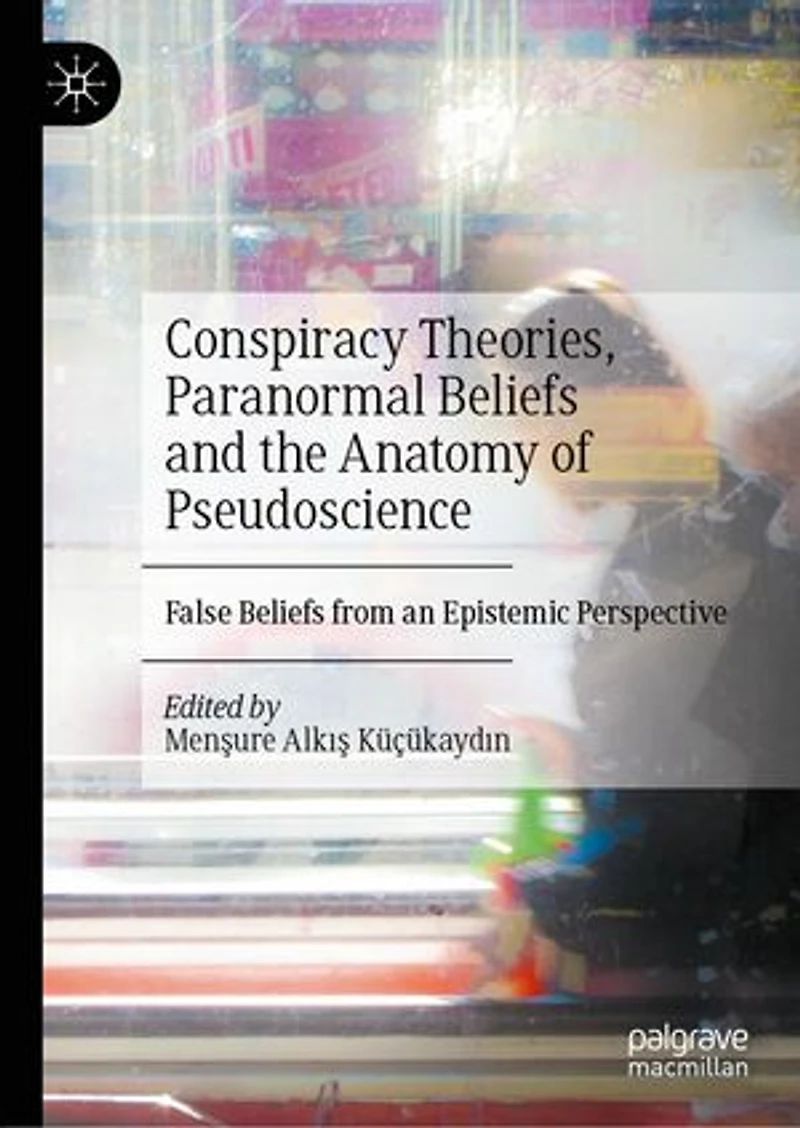
Conspiracy Theories, Paranormal Beliefs and the Anatomy of Pseudoscience: False from an Epistemic Perspective
Coles
Loading Inventory...
Conspiracy Theories, Paranormal Beliefs and the Anatomy of Pseudoscience: False from an Epistemic Perspective in Grande Prairie, AB
Current price: $233.95
Coles
Conspiracy Theories, Paranormal Beliefs and the Anatomy of Pseudoscience: False from an Epistemic Perspective in Grande Prairie, AB
Current price: $233.95
Loading Inventory...
Size: Hardcover
*Product information and pricing may vary - to confirm current pricing, availability, shipping, and return information please contact Coles. In the event of a pricing discrepancy, the retailer's price will apply.
This book aims to reveal how the human mind's search for order in the face of uncertainty and complexity leads to belief systems which have no scientific basis, while exploring the harms of such beliefs at individual and societal levels. Conspiracy theories, paranormal beliefs, and pseudoscientific claims can negatively affect individuals' decision-making processes, health choices, and social ties. The book aims to provide a holistic analysis of those phenomena by bringing together the perspectives of different disciplines, such as psychology, sociology, media studies, and philosophy of science. In particular, cognitive biases and social identity theory play a key role in explaining why these beliefs are attractive. As a work, it is distinct in that it not only approaches these issues from a critical perspective but also offers solution-oriented strategies to help readers acquire critical thinking skills and use scientific methods effectively.
This book aims to reveal how the human mind's search for order in the face of uncertainty and complexity leads to belief systems which have no scientific basis, while exploring the harms of such beliefs at individual and societal levels. Conspiracy theories, paranormal beliefs, and pseudoscientific claims can negatively affect individuals' decision-making processes, health choices, and social ties. The book aims to provide a holistic analysis of those phenomena by bringing together the perspectives of different disciplines, such as psychology, sociology, media studies, and philosophy of science. In particular, cognitive biases and social identity theory play a key role in explaining why these beliefs are attractive. As a work, it is distinct in that it not only approaches these issues from a critical perspective but also offers solution-oriented strategies to help readers acquire critical thinking skills and use scientific methods effectively.
You May Also Like










Find at Prairie Mall in Grande Prairie, AB
Visit at Prairie Mall in Grande Prairie, AB