


Gifting Made Simple
Give the Gift of ChoiceClick below to purchase a Prairie Mall eGift Card that can be used at participating retailers at Prairie Mall.Buy Gift CardHome
Conservation Science in NOAA's National Marine Sanctuaries: Description and Recent Accomplishments
Coles
Loading Inventory...
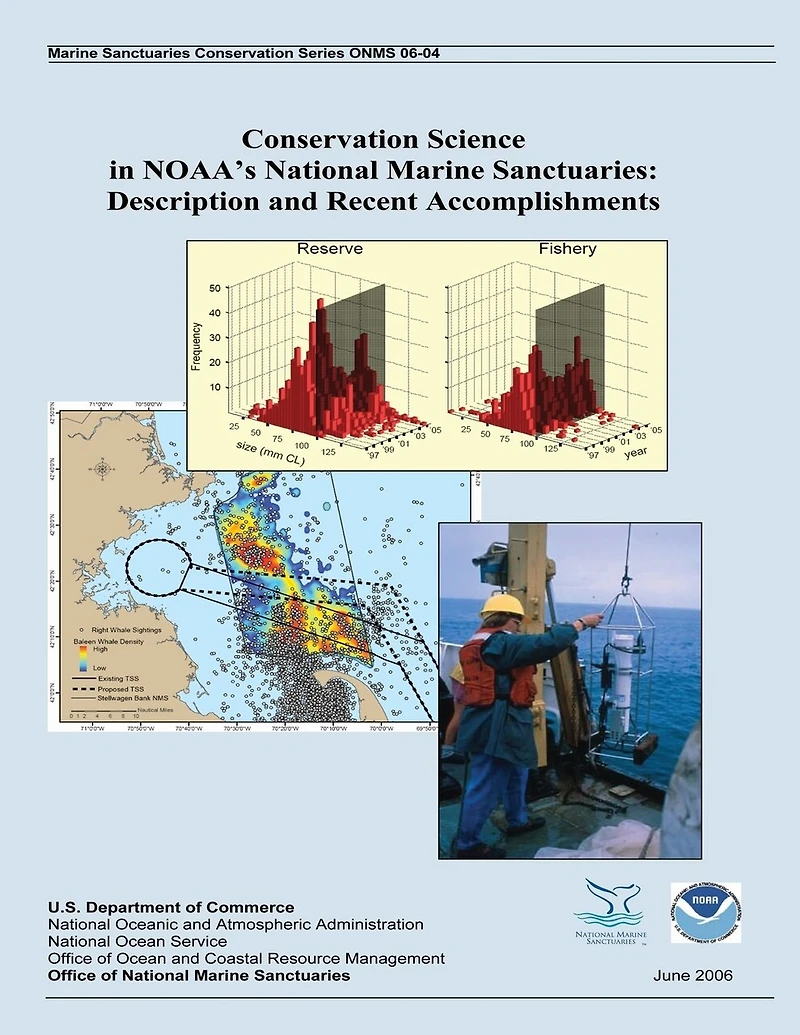
Conservation Science in NOAA's National Marine Sanctuaries: Description and Recent Accomplishments
By None
Current price: $20.95
Coles
Conservation Science in NOAA's National Marine Sanctuaries: Description and Recent Accomplishments
By None
Current price: $20.95
Loading Inventory...
Size: Paperback
*Product information and pricing may vary - to confirm current pricing, availability, shipping, and return information please contact Coles. In the event of a pricing discrepancy, the retailer's price will apply.
This report describes cases relating to the management of national marine sanctuaries in which certain scientific information was required so managers could make decisions that effectively protected trust resources. The cases presented represent only a fraction of difficult issues that marine sanctuary managers deal with daily. They include, among others, problems related to wildlife disturbance, vessel routing, marine reserve placement, watershed management, oil spill response, and habitat restoration. Scientific approaches to address these problems vary significantly, and include literature surveys, data mining, field studies (monitoring, mapping, observations, and measurement), geospatial and biogeographic analysis, and modeling.
This report describes cases relating to the management of national marine sanctuaries in which certain scientific information was required so managers could make decisions that effectively protected trust resources. The cases presented represent only a fraction of difficult issues that marine sanctuary managers deal with daily. They include, among others, problems related to wildlife disturbance, vessel routing, marine reserve placement, watershed management, oil spill response, and habitat restoration. Scientific approaches to address these problems vary significantly, and include literature surveys, data mining, field studies (monitoring, mapping, observations, and measurement), geospatial and biogeographic analysis, and modeling.
You May Also Like








More About Coles at Prairie Mall
11801 100 St #104, Grande Prairie, AB T8V 3Y2, Canada
Find Coles at Prairie Mall in Grande Prairie, AB
Visit Coles at Prairie Mall in Grande Prairie, AB