


Gifting Made Simple
Give the Gift of ChoiceClick below to purchase a Prairie Mall eGift Card that can be used at participating retailers at Prairie Mall.Buy Gift CardHome
Conflict On Mount Lebanon: The Druze, Maronites And Collective Memory
Coles
Loading Inventory...
Conflict On Mount Lebanon: The Druze, Maronites And Collective Memory in Grande Prairie, AB
Current price: $157.78
Coles
Conflict On Mount Lebanon: The Druze, Maronites And Collective Memory in Grande Prairie, AB
Current price: $157.78
Loading Inventory...
Size: Hardcover
*Product information and pricing may vary - to confirm current pricing, availability, shipping, and return information please contact Coles. In the event of a pricing discrepancy, the retailer's price will apply.
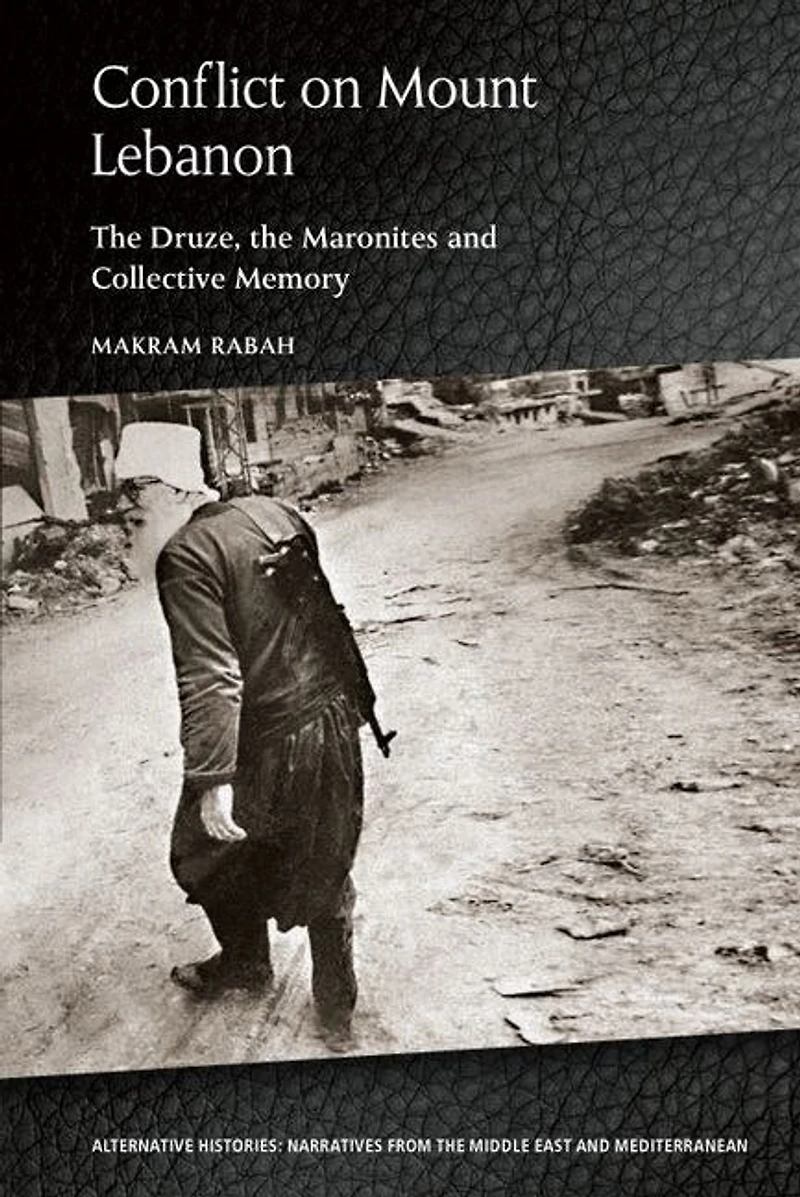
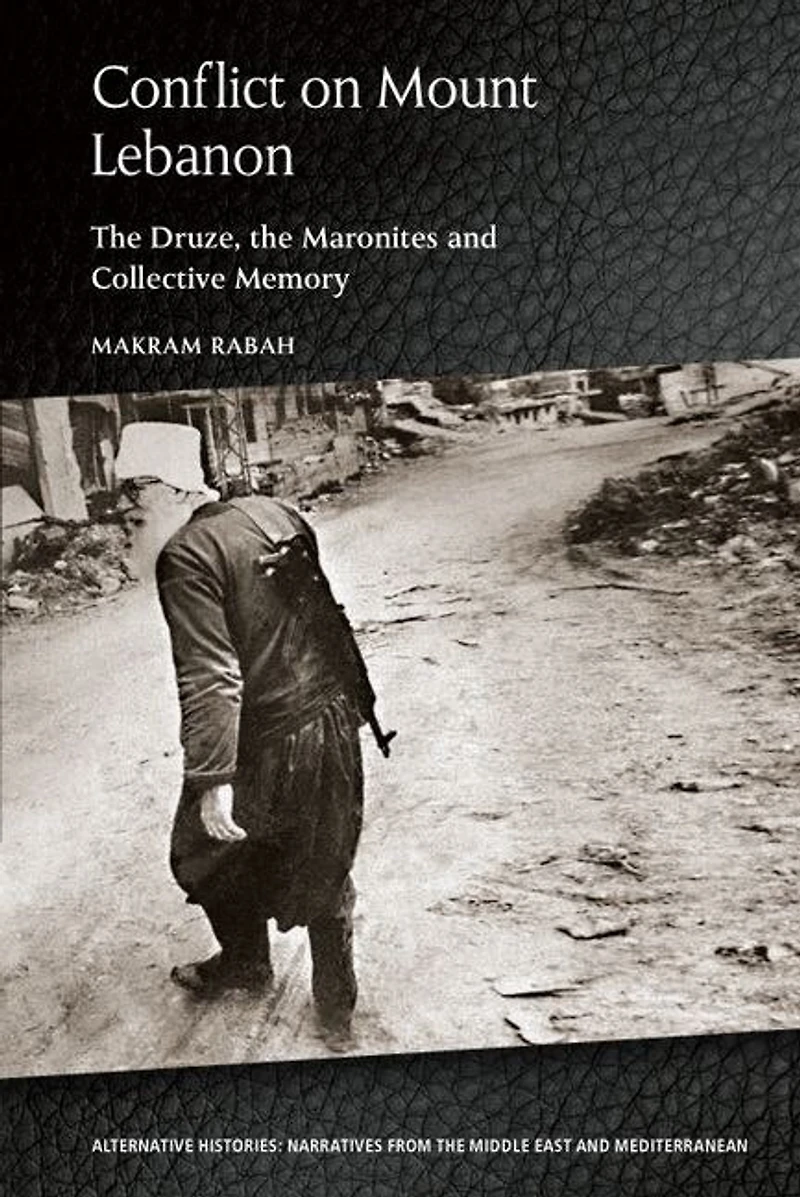
The Druze and the Maronites, arguably the two founding communities of modern Lebanon, have the reputation of being primordial enemies. Makram Rabah attempts to gauge the impact of collective memory on determining the course and the nature of the conflict between these communities in Mount Lebanon. He takes as his focus ‘the War of the Mountain’ in 1982, reconstructing the events of this war through the framework of collective remembrance and oral history.
He challenges the idea that these group identities were constructed by their respective centres of power within the Maronite and Druze community, providing an alternative to the prevailing meta-narrative. Telling the stories of the many people who took part in these events, or who simply suffered as a consequence, helps to expose the intrinsic motives which led to this conflict and makes a valuable contribution to the field of Lebanese historical scholarship.
The Druze and the Maronites, arguably the two founding communities of modern Lebanon, have the reputation of being primordial enemies. Makram Rabah attempts to gauge the impact of collective memory on determining the course and the nature of the conflict between these communities in Mount Lebanon. He takes as his focus ‘the War of the Mountain’ in 1982, reconstructing the events of this war through the framework of collective remembrance and oral history.
He challenges the idea that these group identities were constructed by their respective centres of power within the Maronite and Druze community, providing an alternative to the prevailing meta-narrative. Telling the stories of the many people who took part in these events, or who simply suffered as a consequence, helps to expose the intrinsic motives which led to this conflict and makes a valuable contribution to the field of Lebanese historical scholarship.
You May Also Like











Find at Prairie Mall in Grande Prairie, AB
Visit at Prairie Mall in Grande Prairie, AB