


Gifting Made Simple
Give the Gift of ChoiceClick below to purchase a Prairie Mall eGift Card that can be used at participating retailers at Prairie Mall.Buy Gift CardHome
Confederate Waterloo: The Battle Of Five Forks, April 1, 1865, And Controversy That Brought Down A General
Coles
Loading Inventory...
Confederate Waterloo: The Battle Of Five Forks, April 1, 1865, And Controversy That Brought Down A General in Grande Prairie, AB
Current price: $48.50
Coles
Confederate Waterloo: The Battle Of Five Forks, April 1, 1865, And Controversy That Brought Down A General in Grande Prairie, AB
Current price: $48.50
Loading Inventory...
Size: Hardcover
*Product information and pricing may vary - to confirm current pricing, availability, shipping, and return information please contact Coles. In the event of a pricing discrepancy, the retailer's price will apply.
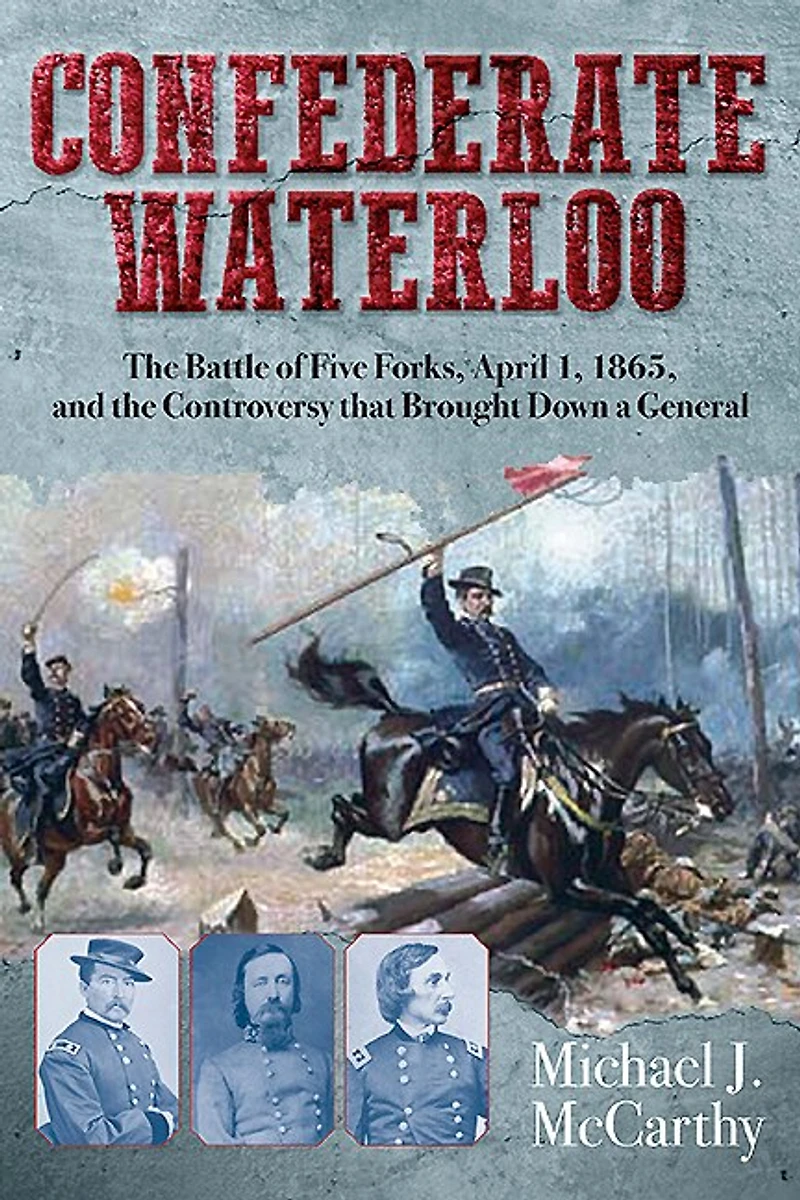
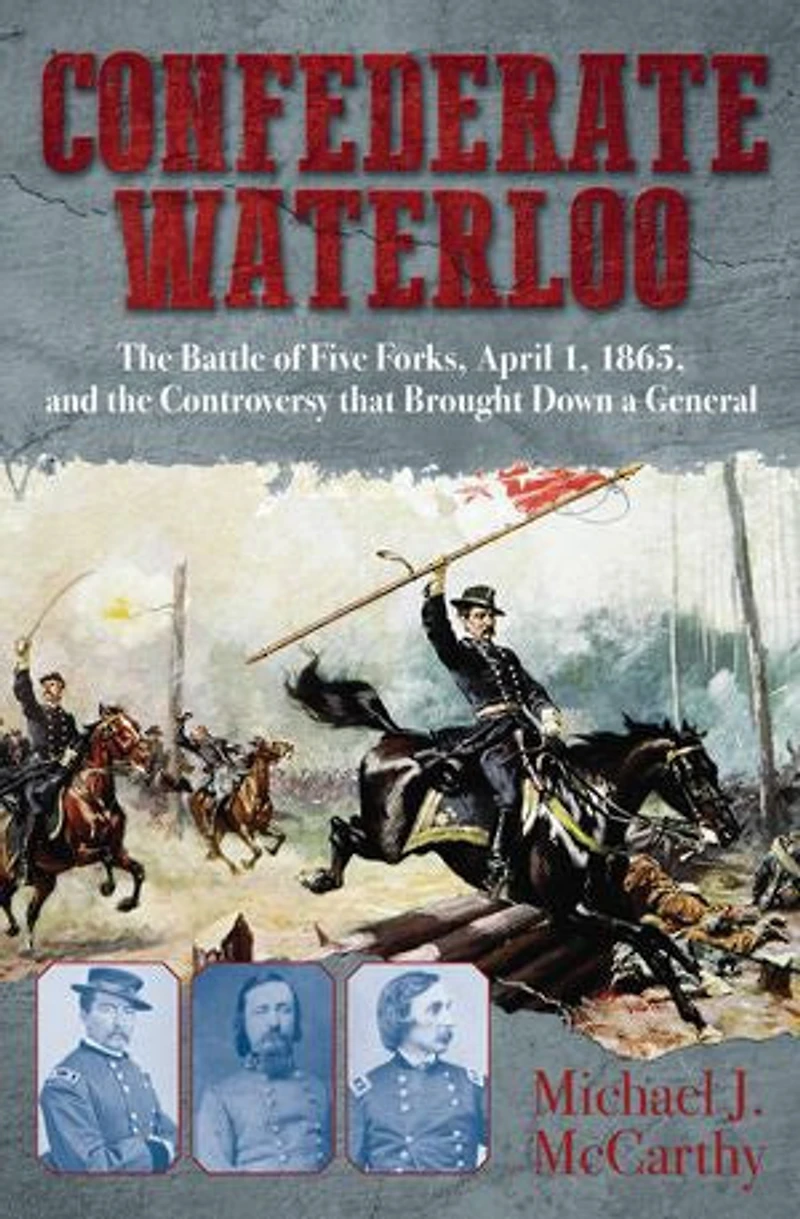
The Battle of Five Forks, explained former Confederate General Thomas Munford long after the Civil War, "could be classified as a mere skirmish, but no other fight of the entire four years' struggle was followed by such important consequences." The battle broke the long siege of Petersburg, triggered the evacuation of Richmond, precipitated the Appomattox Campaign, and destroyed the careers and reputations of two opposing generals. Michael J. McCarthy's Confederate Waterloo is the first fully researched and unbiased book-length account of this decisive Union victory and the unpredictable aftermath fought in the courts and at the bar of public opinion. General Lee's Army of Northern Virginia had been locked into the sprawling defenses surrounding the logistical stronghold of Petersburg and the Southern capital at Richmond for more than eight months when General Grant launched an offensive against Lee's exposed right flank. A series of battles led up to April 1, when General Phil Sheridan's forces struck at Five Forks. The attack surprised and collapsed General George Pickett's Confederate command and turned Lee's flank. An attack along the entire front the following morning broke the siege and forced the Virginia army out of its defenses and, a week later, into Wilmer McLean's parlor to surrender at Appomattox. Despite this decisive Union success, Five Forks spawned one of the most bitter and divisive controversies in the postwar US Army because Sheridan relieved V Corps commander Gouverneur K. Warren during the battle. The order generated a life-long effort by Warren and his allies to restore his reputation by demonstrating that Sheridan's action was both unfair and dishonorable. The struggle climaxed with a Court of Inquiry that generated a more extensive record of testimony and exhibits than any other US military judicial case in the 19th Century. In addition to Sheridan and Warren, participants included Gens. Ulysses S. Grant and Winfield S. Hancock, together with a startling array of former Union and Confederate officers. McCarthy's Confederate Waterloo is grounded upon extensive archival research and a foundation of primary sources, including the meticulous records of a man driven to restore his honor in the eyes of his colleagues, his family, and the American public. The result is a fresh and dispassionate analysis that may cause students of the Civil War to reassess their views about some of the Union's leading generals.
The Battle of Five Forks, explained former Confederate General Thomas Munford long after the Civil War, "could be classified as a mere skirmish, but no other fight of the entire four years' struggle was followed by such important consequences." The battle broke the long siege of Petersburg, triggered the evacuation of Richmond, precipitated the Appomattox Campaign, and destroyed the careers and reputations of two opposing generals. Michael J. McCarthy's Confederate Waterloo is the first fully researched and unbiased book-length account of this decisive Union victory and the unpredictable aftermath fought in the courts and at the bar of public opinion. General Lee's Army of Northern Virginia had been locked into the sprawling defenses surrounding the logistical stronghold of Petersburg and the Southern capital at Richmond for more than eight months when General Grant launched an offensive against Lee's exposed right flank. A series of battles led up to April 1, when General Phil Sheridan's forces struck at Five Forks. The attack surprised and collapsed General George Pickett's Confederate command and turned Lee's flank. An attack along the entire front the following morning broke the siege and forced the Virginia army out of its defenses and, a week later, into Wilmer McLean's parlor to surrender at Appomattox. Despite this decisive Union success, Five Forks spawned one of the most bitter and divisive controversies in the postwar US Army because Sheridan relieved V Corps commander Gouverneur K. Warren during the battle. The order generated a life-long effort by Warren and his allies to restore his reputation by demonstrating that Sheridan's action was both unfair and dishonorable. The struggle climaxed with a Court of Inquiry that generated a more extensive record of testimony and exhibits than any other US military judicial case in the 19th Century. In addition to Sheridan and Warren, participants included Gens. Ulysses S. Grant and Winfield S. Hancock, together with a startling array of former Union and Confederate officers. McCarthy's Confederate Waterloo is grounded upon extensive archival research and a foundation of primary sources, including the meticulous records of a man driven to restore his honor in the eyes of his colleagues, his family, and the American public. The result is a fresh and dispassionate analysis that may cause students of the Civil War to reassess their views about some of the Union's leading generals.
You May Also Like

















Find at Prairie Mall in Grande Prairie, AB
Visit at Prairie Mall in Grande Prairie, AB