


Gifting Made Simple
Give the Gift of ChoiceClick below to purchase a Prairie Mall eGift Card that can be used at participating retailers at Prairie Mall.Buy Gift CardHome
Concessionaires, Financiers and Communities: Implementing Indigenous Peoples' Rights to Land Transnational Development Projects
Coles
Loading Inventory...
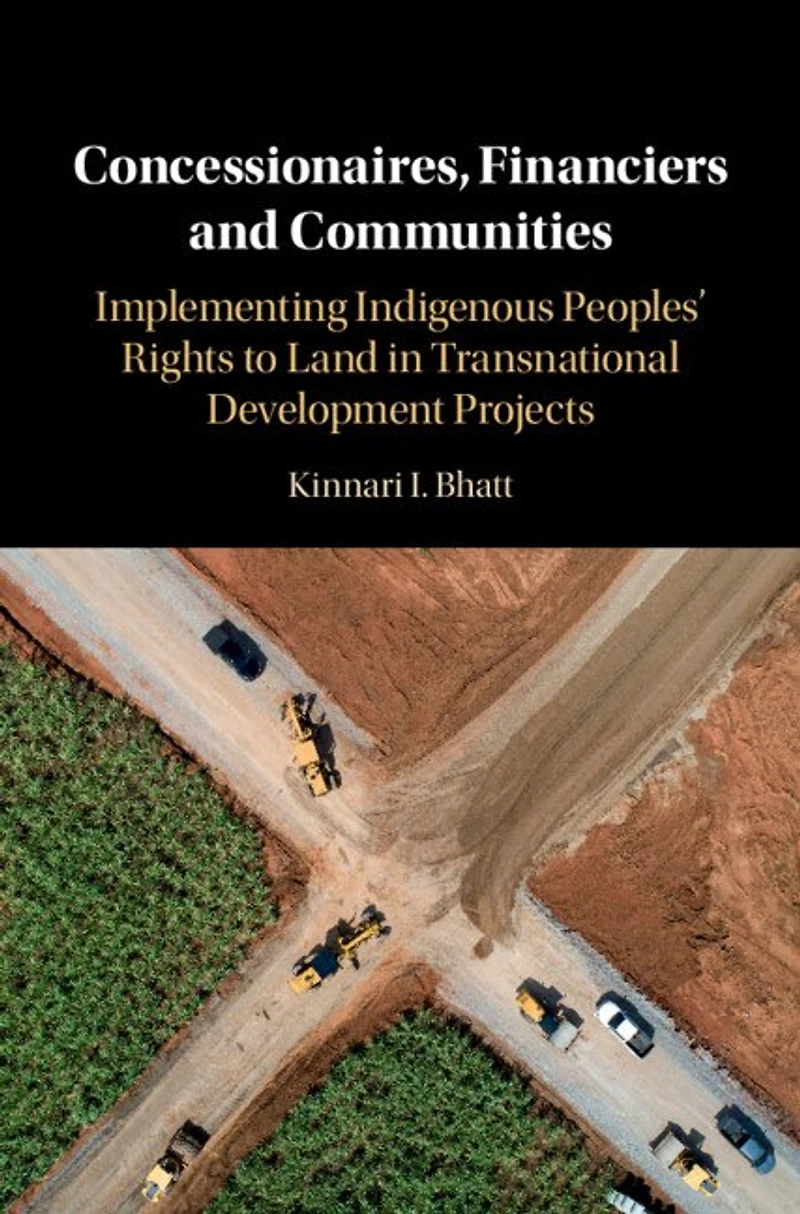
Concessionaires, Financiers and Communities: Implementing Indigenous Peoples' Rights to Land Transnational Development Projects in Grande Prairie, AB
Current price: $166.95
Coles
Concessionaires, Financiers and Communities: Implementing Indigenous Peoples' Rights to Land Transnational Development Projects in Grande Prairie, AB
Current price: $166.95
Loading Inventory...
Size: Hardcover
*Product information and pricing may vary - to confirm current pricing, availability, shipping, and return information please contact Coles. In the event of a pricing discrepancy, the retailer's price will apply.
Unrelenting demands for energy, infrastructure and natural resources, and the need for developing states to augment income and signal an 'enterprise-ready' attitude mean that transnational development projects remain a common tool for economic development. Yet little is known about the fragmented legal framework of private financial mechanisms, contractual clauses and discretionary behaviours that shape modern development projects. How do gaps and biases in formal laws cope with the might of concessionaires and financiers and their algorithmic contractual and policy technicalities negotiated in private offices? What impacts do private legal devices have for the visibility and implementation of Indigenous peoples' rights to land? This original perspective on transnational development projects explains how the patterns of poor rights recognition and implementation, power(lessness), vulnerability and, ultimately, conflict routinely seen in development projects will only be fully appreciated by acknowledging and remedying the pivotal role and priority enjoyed by private mechanisms, documentation and expertise.
Unrelenting demands for energy, infrastructure and natural resources, and the need for developing states to augment income and signal an 'enterprise-ready' attitude mean that transnational development projects remain a common tool for economic development. Yet little is known about the fragmented legal framework of private financial mechanisms, contractual clauses and discretionary behaviours that shape modern development projects. How do gaps and biases in formal laws cope with the might of concessionaires and financiers and their algorithmic contractual and policy technicalities negotiated in private offices? What impacts do private legal devices have for the visibility and implementation of Indigenous peoples' rights to land? This original perspective on transnational development projects explains how the patterns of poor rights recognition and implementation, power(lessness), vulnerability and, ultimately, conflict routinely seen in development projects will only be fully appreciated by acknowledging and remedying the pivotal role and priority enjoyed by private mechanisms, documentation and expertise.
You May Also Like











Find at Prairie Mall in Grande Prairie, AB
Visit at Prairie Mall in Grande Prairie, AB