


Gifting Made Simple
Give the Gift of ChoiceClick below to purchase a Prairie Mall eGift Card that can be used at participating retailers at Prairie Mall.Buy Gift CardHome
Computer-Aided Drug Discovery and Design: Theory, Methods and Applications
Coles
Loading Inventory...
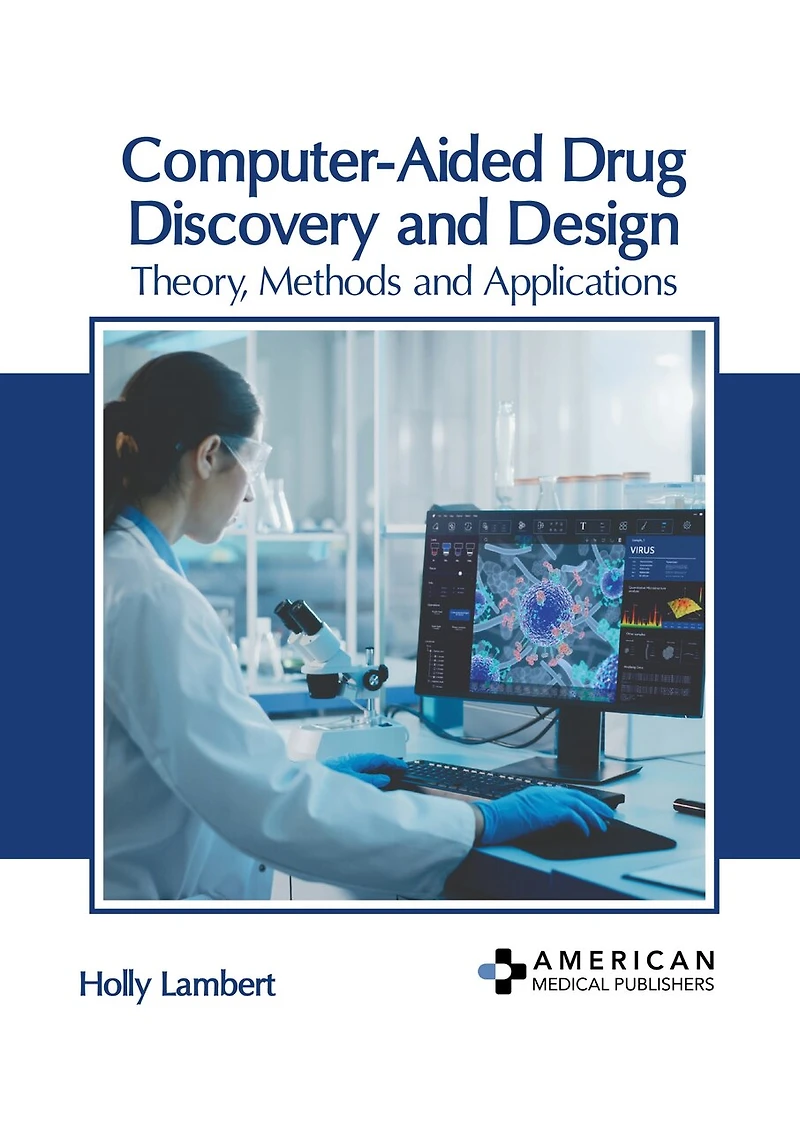
Computer-Aided Drug Discovery and Design: Theory, Methods and Applications in Grande Prairie, AB
Current price: $212.15
Coles
Computer-Aided Drug Discovery and Design: Theory, Methods and Applications in Grande Prairie, AB
Current price: $212.15
Loading Inventory...
Size: Hardcover
*Product information and pricing may vary - to confirm current pricing, availability, shipping, and return information please contact Coles. In the event of a pricing discrepancy, the retailer's price will apply.
Modern drug discovery and design programs use computer aided drug discovery (CADD) for identifying and optimizing bioactive compounds used for developing new drugs. It is also known by alternative terms such as in-silico pharmacology and computational therapeutics. CADD approaches are vital in identifying viable drug candidates at a low cost. These approaches are usually divided into two types, namely, structure-based and ligand-based drug design approaches. Both these approaches are used to identify suitable lead molecules. These computational methods are useful for reducing the use of animal models in pharmacological research, assisting in the rational design of novel and safe drug candidates, repositioning marketed drugs, and assisting medicinal chemists and pharmacologists throughout the drug discovery process. This book is a compilation of chapters that discuss the most vital concepts and emerging trends in the usage of computers for drug discovery and design. It will provide comprehensive knowledge to the readers.
Modern drug discovery and design programs use computer aided drug discovery (CADD) for identifying and optimizing bioactive compounds used for developing new drugs. It is also known by alternative terms such as in-silico pharmacology and computational therapeutics. CADD approaches are vital in identifying viable drug candidates at a low cost. These approaches are usually divided into two types, namely, structure-based and ligand-based drug design approaches. Both these approaches are used to identify suitable lead molecules. These computational methods are useful for reducing the use of animal models in pharmacological research, assisting in the rational design of novel and safe drug candidates, repositioning marketed drugs, and assisting medicinal chemists and pharmacologists throughout the drug discovery process. This book is a compilation of chapters that discuss the most vital concepts and emerging trends in the usage of computers for drug discovery and design. It will provide comprehensive knowledge to the readers.
You May Also Like










Find at Prairie Mall in Grande Prairie, AB
Visit at Prairie Mall in Grande Prairie, AB