


Gifting Made Simple
Give the Gift of ChoiceClick below to purchase a Prairie Mall eGift Card that can be used at participating retailers at Prairie Mall.Buy Gift CardHome
Computational Design of Membrane Proteins
Coles
Loading Inventory...
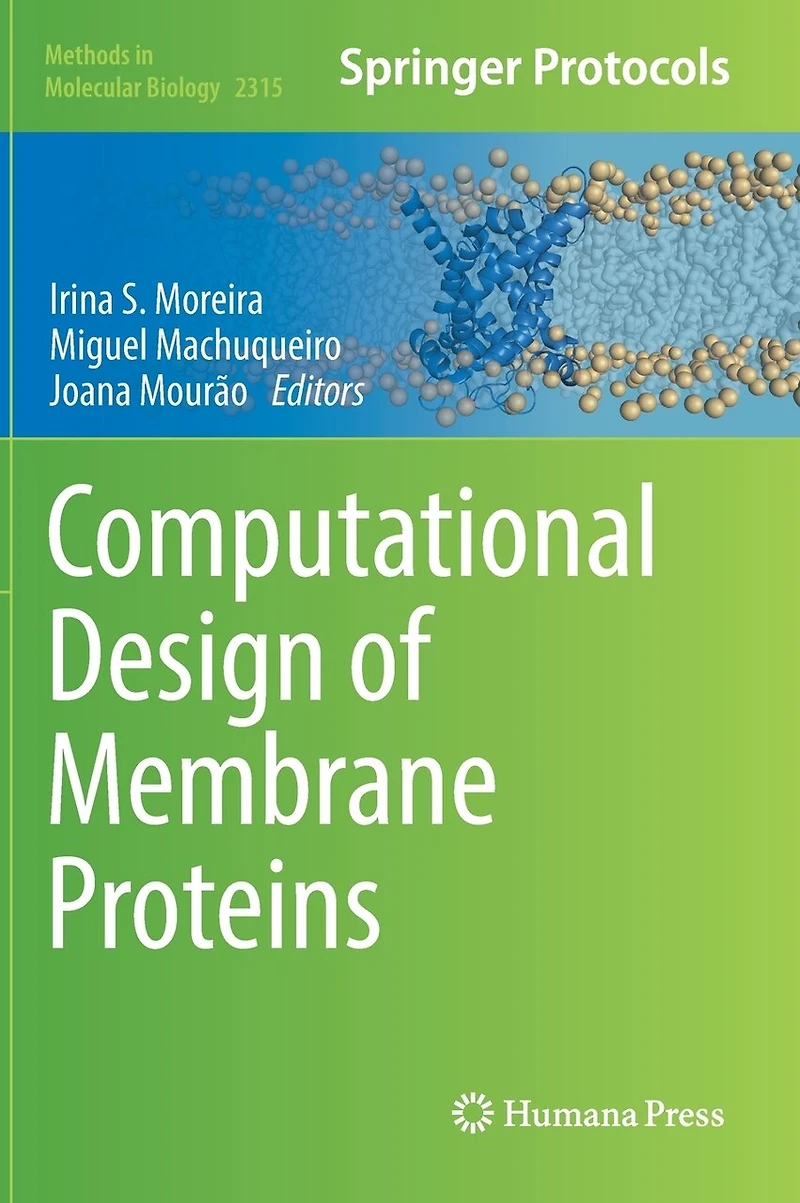
Computational Design of Membrane Proteins in Grande Prairie, AB
Current price: $291.95
Coles
Computational Design of Membrane Proteins in Grande Prairie, AB
Current price: $291.95
Loading Inventory...
Size: Hardcover
*Product information and pricing may vary - to confirm current pricing, availability, shipping, and return information please contact Coles. In the event of a pricing discrepancy, the retailer's price will apply.
This volume provides an overview of the current successes as well as pitfalls and caveats that are hindering the design of membrane proteins. Divided into six parts, chapters detail membrane transporter, FoldX force field, protein stability, G-Protein Coupled Receptors (GPCR) structures, transmembrane helices, membrane molecular dynamics (MD) simulations, pH-dependent protonation states, membrane permeability, and passive transport. Written in the highly successful Methods in Molecular Biology series format, chapters include introductions to their respective topics, lists of the necessary materials and reagents, step-by-step, readily reproducible laboratory protocols, and tips on troubleshooting and avoiding known pitfalls. Authoritative and cutting-edge, Computational Design of Membrane Proteins aims to ensure successful results in the further study of this vital field.
Chapter 4 is available open access under a Creative CommonsAttribution 4.0 International License via link.springer.com.
This volume provides an overview of the current successes as well as pitfalls and caveats that are hindering the design of membrane proteins. Divided into six parts, chapters detail membrane transporter, FoldX force field, protein stability, G-Protein Coupled Receptors (GPCR) structures, transmembrane helices, membrane molecular dynamics (MD) simulations, pH-dependent protonation states, membrane permeability, and passive transport. Written in the highly successful Methods in Molecular Biology series format, chapters include introductions to their respective topics, lists of the necessary materials and reagents, step-by-step, readily reproducible laboratory protocols, and tips on troubleshooting and avoiding known pitfalls. Authoritative and cutting-edge, Computational Design of Membrane Proteins aims to ensure successful results in the further study of this vital field.
Chapter 4 is available open access under a Creative CommonsAttribution 4.0 International License via link.springer.com.
You May Also Like













Find at Prairie Mall in Grande Prairie, AB
Visit at Prairie Mall in Grande Prairie, AB