


Gifting Made Simple
Give the Gift of ChoiceClick below to purchase a Prairie Mall eGift Card that can be used at participating retailers at Prairie Mall.Buy Gift CardHome
Compulsory Income Management Australia and New Zealand: More Harm than Good?
Coles
Loading Inventory...
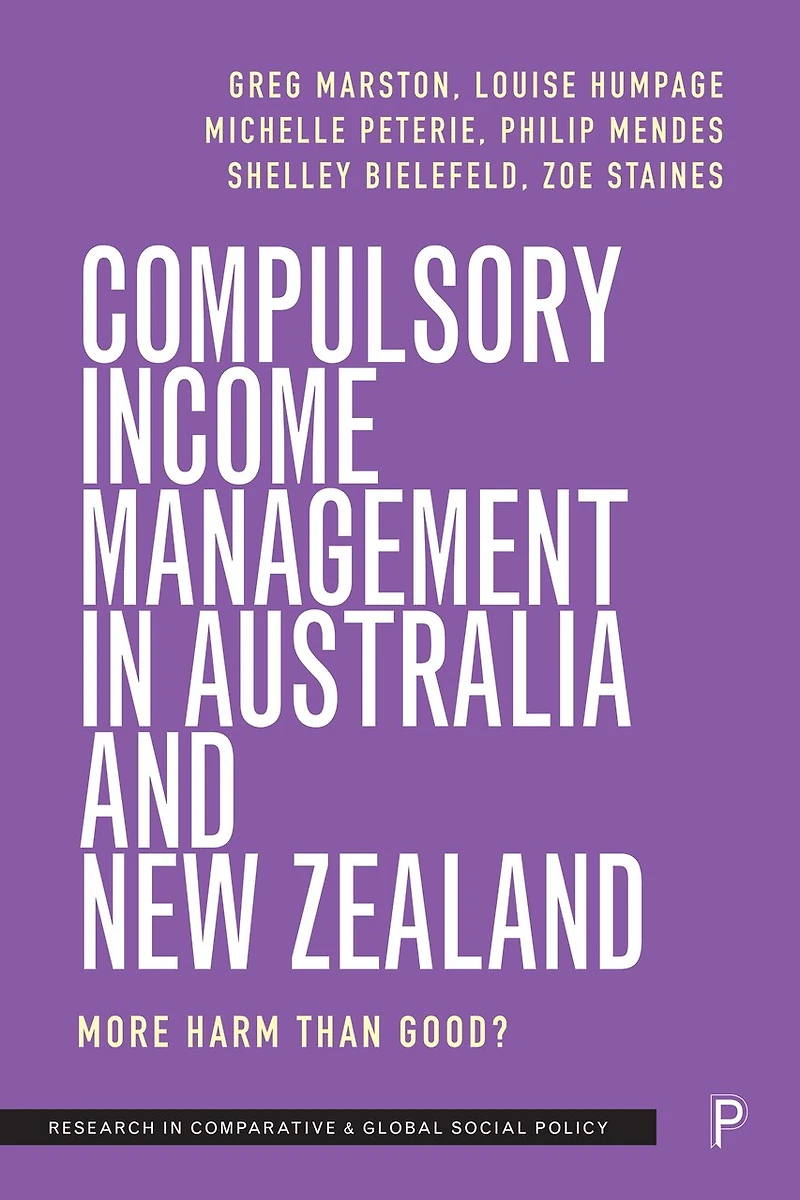
Compulsory Income Management Australia and New Zealand: More Harm than Good?
By None
Current price: $57.49
Original price: $71.86
Coles
Compulsory Income Management Australia and New Zealand: More Harm than Good?
By None
Current price: $57.49
Original price: $71.86
Loading Inventory...
Size: Kobo eBook
*Product information and pricing may vary - to confirm current pricing, availability, shipping, and return information please contact Coles. In the event of a pricing discrepancy, the retailer's price will apply.
More than a decade on from their conception, this book reflects on the consequences of income management policies in Australia and New Zealand.
Drawing on a three-year study, it explores the lived experience of those for whom core welfare benefits and services are dependent on government conceptions of ‘responsible’ behaviour. It analyses whether officially claimed positive intentions and benefits of the schemes are outweighed by negative impacts that deepen the poverty and stigma of marginalised and disadvantaged groups.
This novel study considers the future of this form of welfare conditionality and addresses wider questions of fairness and social justice.
More than a decade on from their conception, this book reflects on the consequences of income management policies in Australia and New Zealand.
Drawing on a three-year study, it explores the lived experience of those for whom core welfare benefits and services are dependent on government conceptions of ‘responsible’ behaviour. It analyses whether officially claimed positive intentions and benefits of the schemes are outweighed by negative impacts that deepen the poverty and stigma of marginalised and disadvantaged groups.
This novel study considers the future of this form of welfare conditionality and addresses wider questions of fairness and social justice.
You May Also Like










More About Coles at Prairie Mall
11801 100 St #104, Grande Prairie, AB T8V 3Y2, Canada
Find Coles at Prairie Mall in Grande Prairie, AB
Visit Coles at Prairie Mall in Grande Prairie, AB