


Gifting Made Simple
Give the Gift of ChoiceClick below to purchase a Prairie Mall eGift Card that can be used at participating retailers at Prairie Mall.Buy Gift CardHome
Composing Cultures: Modernism, American Literary Studies, and the Problem of Culture
Coles
Loading Inventory...
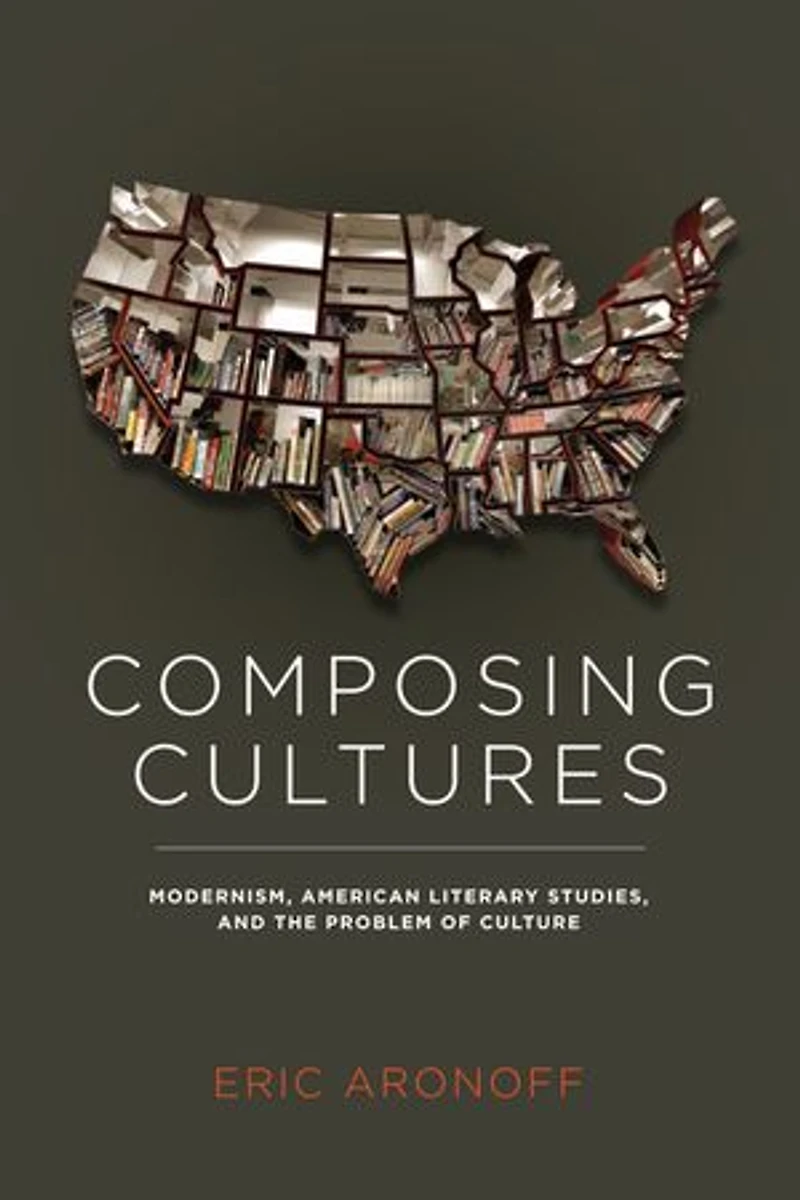
Composing Cultures: Modernism, American Literary Studies, and the Problem of Culture in Grande Prairie, AB
Current price: $30.99
Original price: $38.68
Coles
Composing Cultures: Modernism, American Literary Studies, and the Problem of Culture in Grande Prairie, AB
Current price: $30.99
Original price: $38.68
Loading Inventory...
Size: Kobo eBook
*Product information and pricing may vary - to confirm current pricing, availability, shipping, and return information please contact Coles. In the event of a pricing discrepancy, the retailer's price will apply.
The term "culture" has become ubiquitous in both academic and popular conversations, but its usefulness is a point of dispute. Taking the current shift from cultural studies to aesthetics as the latest form of this discussion, Eric Aronoff contends that in American modernism, the concepts of culture and of aesthetics have always been inseparable. The modernist concept of culture, he argues, arose out of an interdisciplinary dialogue about value, meaning, and form among social critics, artists, anthropologists, and literary critics, including figures as diverse as Van Wyck Brooks, Edward Sapir, Willa Cather, Lewis Mumford, John Crowe Ransom, Raymond Weaver, and Allen Tate. These figures proposed new ways to conceive of culture that intertwined theories of aesthetic and literary value with theories of national, racial, and regional identity. Through close readings, Aronoff shows that disciplines and approaches that are often thought of as opposed—cultural anthropology and aesthetics, American literary history and literary criticism, and multiculturalism and regionalism—are in fact engaged in common debate and proceed from shared arguments about culture and form.
The term "culture" has become ubiquitous in both academic and popular conversations, but its usefulness is a point of dispute. Taking the current shift from cultural studies to aesthetics as the latest form of this discussion, Eric Aronoff contends that in American modernism, the concepts of culture and of aesthetics have always been inseparable. The modernist concept of culture, he argues, arose out of an interdisciplinary dialogue about value, meaning, and form among social critics, artists, anthropologists, and literary critics, including figures as diverse as Van Wyck Brooks, Edward Sapir, Willa Cather, Lewis Mumford, John Crowe Ransom, Raymond Weaver, and Allen Tate. These figures proposed new ways to conceive of culture that intertwined theories of aesthetic and literary value with theories of national, racial, and regional identity. Through close readings, Aronoff shows that disciplines and approaches that are often thought of as opposed—cultural anthropology and aesthetics, American literary history and literary criticism, and multiculturalism and regionalism—are in fact engaged in common debate and proceed from shared arguments about culture and form.
You May Also Like









Find at Prairie Mall in Grande Prairie, AB
Visit at Prairie Mall in Grande Prairie, AB