


Gifting Made Simple
Give the Gift of ChoiceClick below to purchase a Prairie Mall eGift Card that can be used at participating retailers at Prairie Mall.Buy Gift CardHome
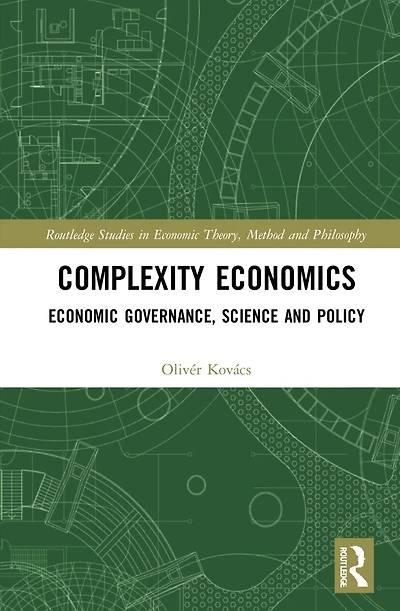
Complexity Economics and Sustainable Development: A Computational Framework for Policy Priority Inference
Coles
Loading Inventory...
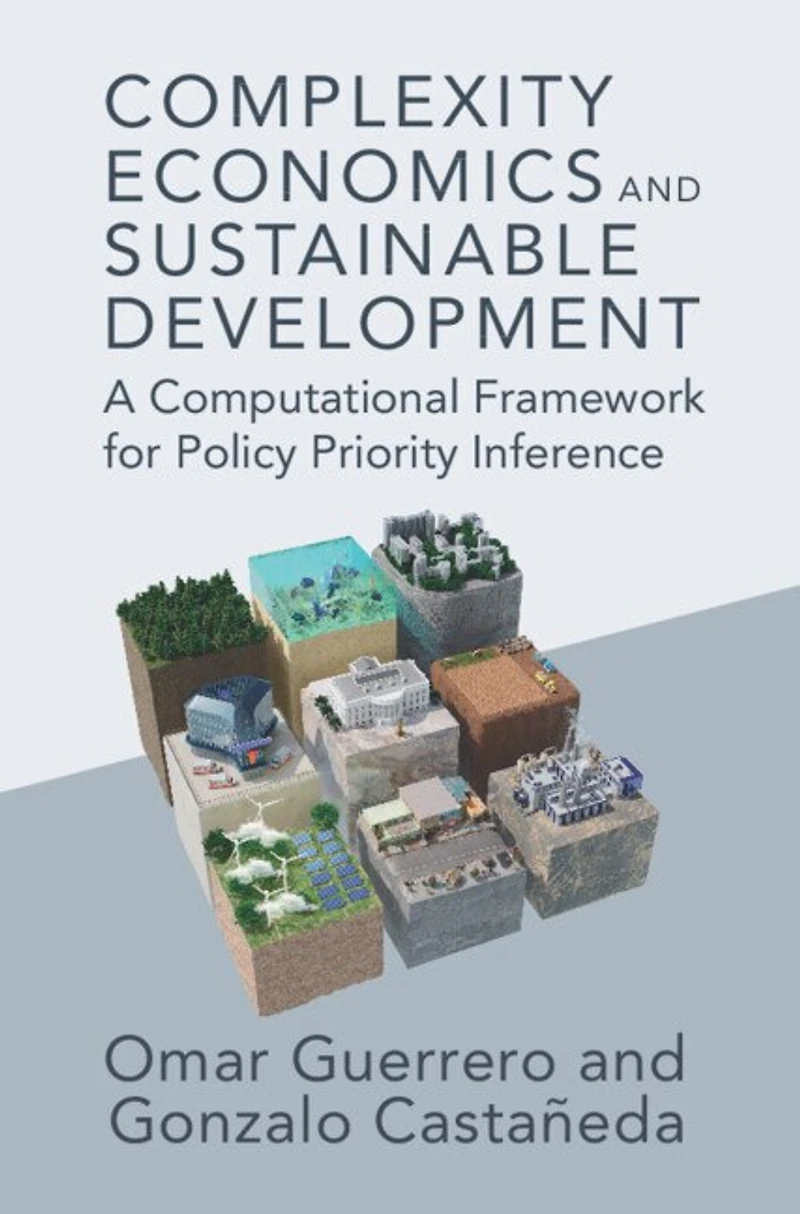
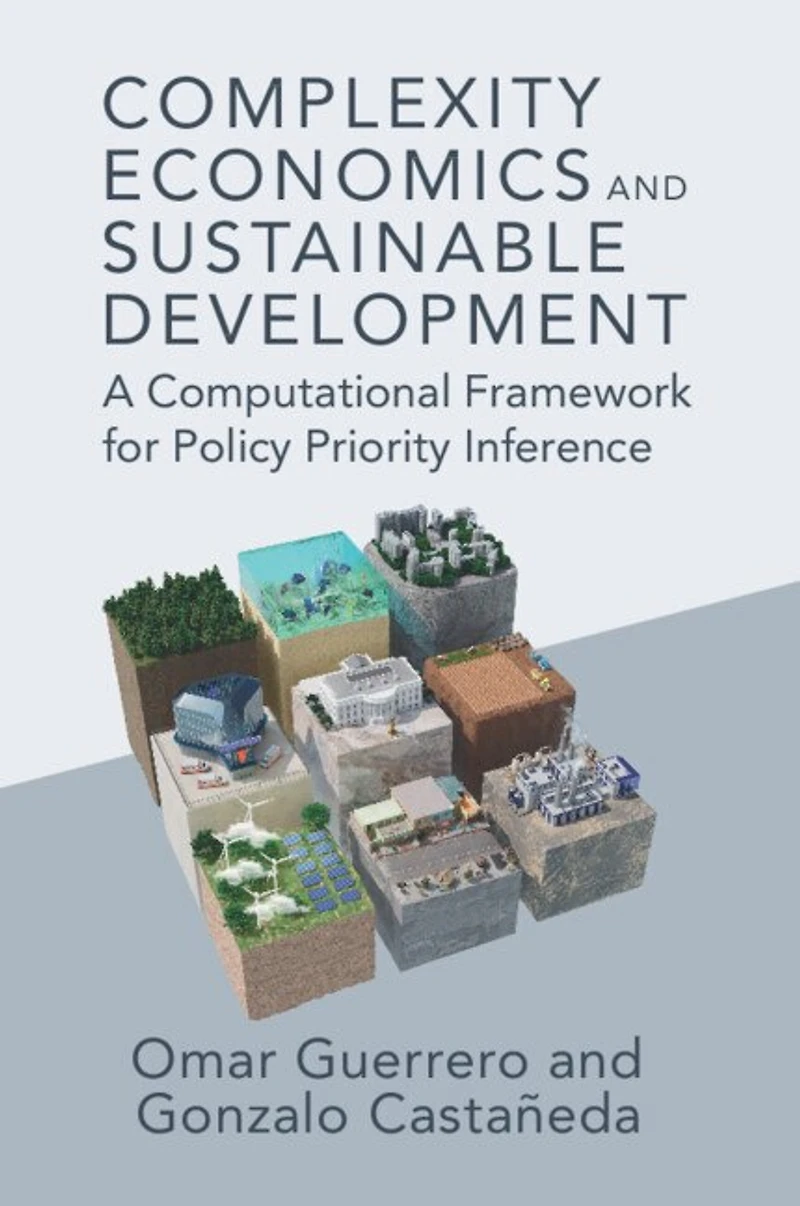
Complexity Economics and Sustainable Development: A Computational Framework for Policy Priority Inference in Grande Prairie, AB
Current price: $162.95
Coles
Complexity Economics and Sustainable Development: A Computational Framework for Policy Priority Inference in Grande Prairie, AB
Current price: $162.95
Loading Inventory...
Size: Hardcover
*Product information and pricing may vary - to confirm current pricing, availability, shipping, and return information please contact Coles. In the event of a pricing discrepancy, the retailer's price will apply.
The Sustainable Development Goals are global objectives set by the UN. They cover fundamental issues in development such as poverty, education, economic growth, and climate. Despite growing data across policy dimensions, popular statistical approaches offer limited solutions as these datasets are not big or detailed enough to meet their technical requirements. Complexity Economics and Sustainable Development provides a novel framework to handle these challenging features, suggesting that complexity science, agent-based modelling, and computational social science can overcome these limitations. Building on interdisciplinary socioeconomic theory, it provides a new framework to quantify the link between public expenditure and development while accounting for complex interdependencies and public governance. Accompanied by comprehensive data of worldwide development indicators and open-source code, it provides a detailed construction of the analytic toolkit, familiarising readers with a diverse set of empirical applications and drawing policy implications that are insightful to a diverse readership.
The Sustainable Development Goals are global objectives set by the UN. They cover fundamental issues in development such as poverty, education, economic growth, and climate. Despite growing data across policy dimensions, popular statistical approaches offer limited solutions as these datasets are not big or detailed enough to meet their technical requirements. Complexity Economics and Sustainable Development provides a novel framework to handle these challenging features, suggesting that complexity science, agent-based modelling, and computational social science can overcome these limitations. Building on interdisciplinary socioeconomic theory, it provides a new framework to quantify the link between public expenditure and development while accounting for complex interdependencies and public governance. Accompanied by comprehensive data of worldwide development indicators and open-source code, it provides a detailed construction of the analytic toolkit, familiarising readers with a diverse set of empirical applications and drawing policy implications that are insightful to a diverse readership.
You May Also Like










Find at Prairie Mall in Grande Prairie, AB
Visit at Prairie Mall in Grande Prairie, AB