


Gifting Made Simple
Give the Gift of ChoiceClick below to purchase a Prairie Mall eGift Card that can be used at participating retailers at Prairie Mall.Buy Gift CardHome
Communities of Kinship: Retrieving Christian Practices Solidarity with Lepers as a Paradigm for Overcoming Exclusion Older People
Coles
Loading Inventory...
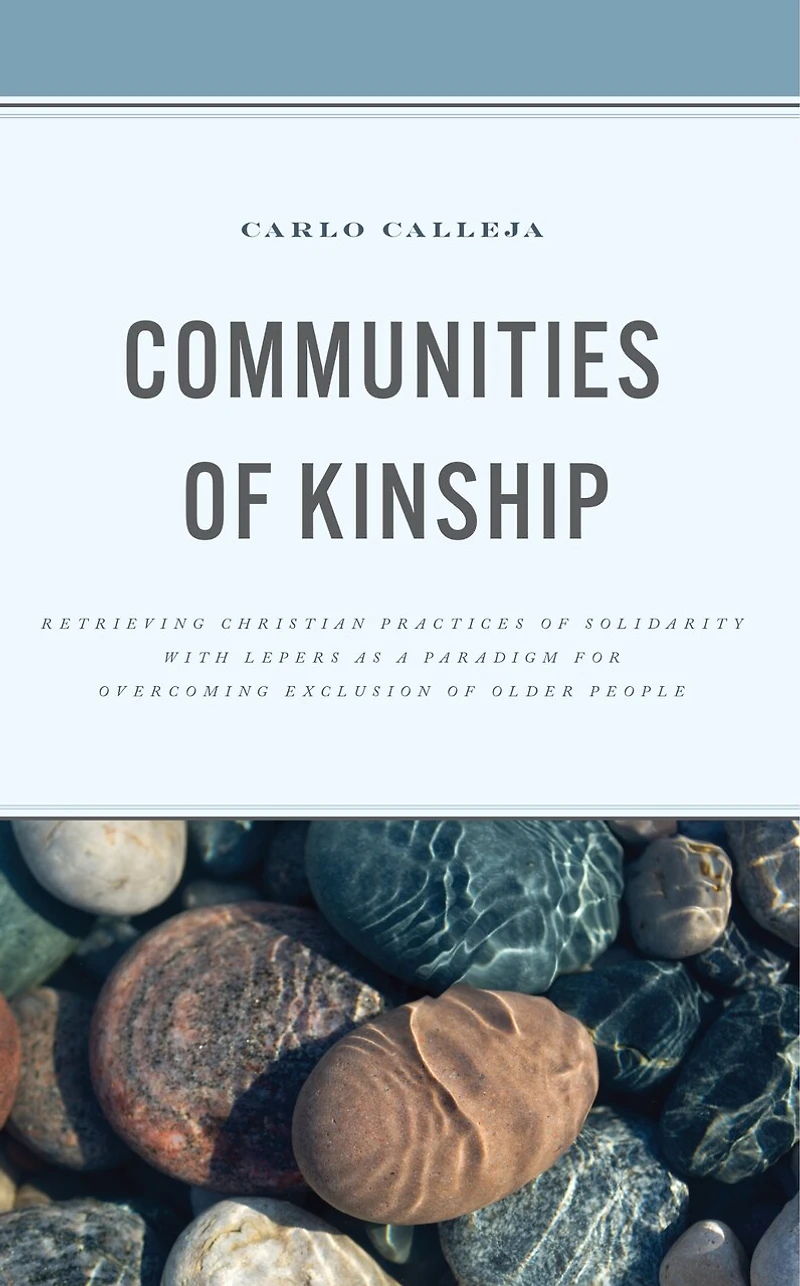
Communities of Kinship: Retrieving Christian Practices Solidarity with Lepers as a Paradigm for Overcoming Exclusion Older People
By None
Current price: $160.95
Coles
Communities of Kinship: Retrieving Christian Practices Solidarity with Lepers as a Paradigm for Overcoming Exclusion Older People
By None
Current price: $160.95
Loading Inventory...
Size: Hardcover
*Product information and pricing may vary - to confirm current pricing, availability, shipping, and return information please contact Coles. In the event of a pricing discrepancy, the retailer's price will apply.
In Communities of Kinship: Retrieving Christian Practices of Solidarity with Lepers as a Paradigm for Overcoming Exclusion of Older People , Carlo Calleja describes kinship as a moral category, arguing that practicing kinship with others can cultivate virtues that shape the character of the agent. Contemporary Western society tends to focus on kinship as the sharing of blood ties or genetic material. On the other hand, the spiritual kinship that is proposed by religions tends to be exclusive and often nominal. For this reason, Calleja proposes practices and structures of solidaristic kinship, which involves sharing in the suffering of the other person. Finding parallels between the exclusion of lepers and the efforts of Christian communities to reforge kinship bonds with them in ancient and medieval times, he argues that communities of kinship with older persons can help cultivate the virtues needed for the flourishing of oneself and society.
In Communities of Kinship: Retrieving Christian Practices of Solidarity with Lepers as a Paradigm for Overcoming Exclusion of Older People , Carlo Calleja describes kinship as a moral category, arguing that practicing kinship with others can cultivate virtues that shape the character of the agent. Contemporary Western society tends to focus on kinship as the sharing of blood ties or genetic material. On the other hand, the spiritual kinship that is proposed by religions tends to be exclusive and often nominal. For this reason, Calleja proposes practices and structures of solidaristic kinship, which involves sharing in the suffering of the other person. Finding parallels between the exclusion of lepers and the efforts of Christian communities to reforge kinship bonds with them in ancient and medieval times, he argues that communities of kinship with older persons can help cultivate the virtues needed for the flourishing of oneself and society.
You May Also Like



















More About Coles at Prairie Mall
11801 100 St #104, Grande Prairie, AB T8V 3Y2, Canada
Find Coles at Prairie Mall in Grande Prairie, AB
Visit Coles at Prairie Mall in Grande Prairie, AB