


Gifting Made Simple
Give the Gift of ChoiceClick below to purchase a Prairie Mall eGift Card that can be used at participating retailers at Prairie Mall.Buy Gift CardHome
Colours on East Asian Maps: Their Use and Materiality in China, Japan and Korea Between the Mid-17th and Early 20th Century
Coles
Loading Inventory...
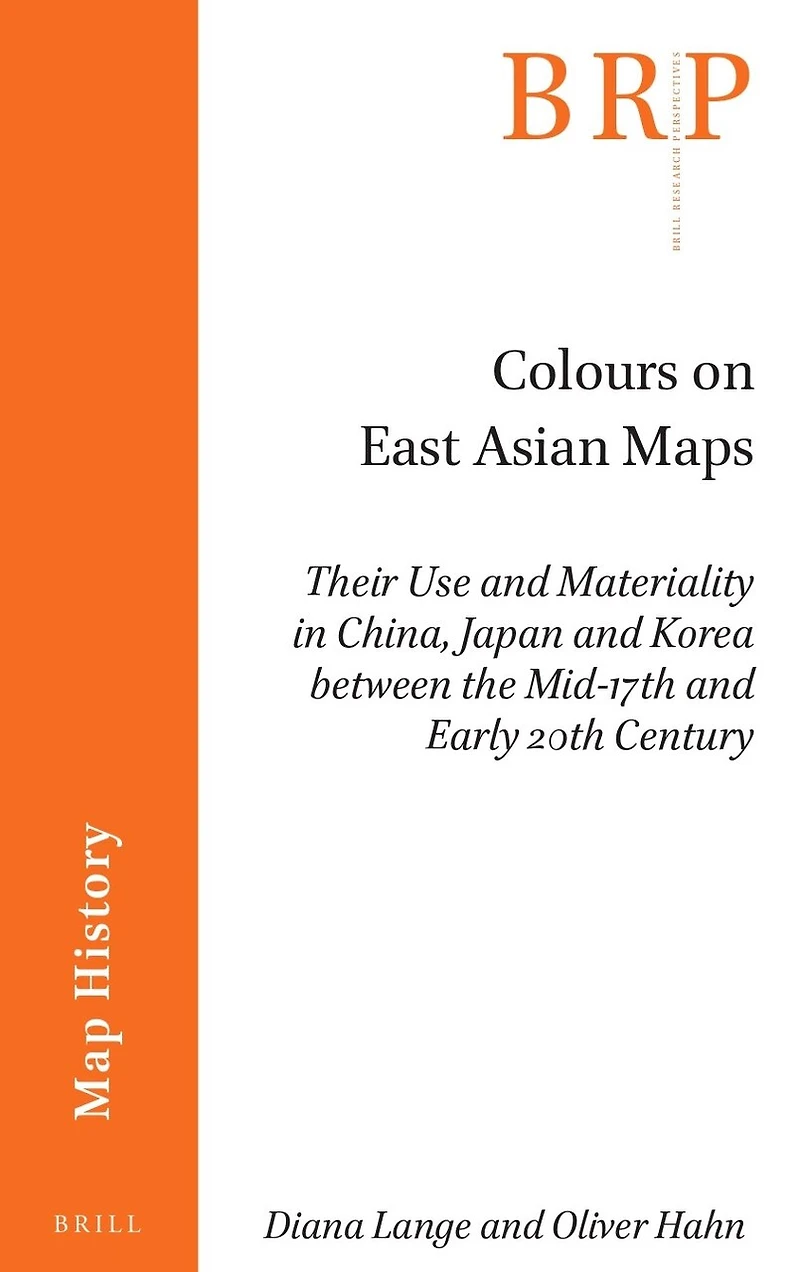
Colours on East Asian Maps: Their Use and Materiality in China, Japan and Korea Between the Mid-17th and Early 20th Century in Grande Prairie, AB
Current price: $109.99
Coles
Colours on East Asian Maps: Their Use and Materiality in China, Japan and Korea Between the Mid-17th and Early 20th Century in Grande Prairie, AB
Current price: $109.99
Loading Inventory...
Size: Paperback
*Product information and pricing may vary - to confirm current pricing, availability, shipping, and return information please contact Coles. In the event of a pricing discrepancy, the retailer's price will apply.
With a multi-perspective approach and transdisciplinary methods (humanities and sciences), this book offers an in-depth and systematic study of hand-drawn and hand-coloured maps from East Asia. Map colouring provides an insight into past societies, landscapes and territories. Colour is an important key to a more precise understanding of the map’s content, purposes and uses; moreover, colours are also an important aspect of a map’s materiality. The material scientific analysis of colourants makes it possible to find out more about maps’ material nature and their production as well as the social, geographical and political context in which they were made. ‘Reading’ colours in this way gives a glimpse into the social lives of mapmakers as well as map users and reveals the complexity of the historical and social context in which maps were produced and how the maps were actually made.
With a multi-perspective approach and transdisciplinary methods (humanities and sciences), this book offers an in-depth and systematic study of hand-drawn and hand-coloured maps from East Asia. Map colouring provides an insight into past societies, landscapes and territories. Colour is an important key to a more precise understanding of the map’s content, purposes and uses; moreover, colours are also an important aspect of a map’s materiality. The material scientific analysis of colourants makes it possible to find out more about maps’ material nature and their production as well as the social, geographical and political context in which they were made. ‘Reading’ colours in this way gives a glimpse into the social lives of mapmakers as well as map users and reveals the complexity of the historical and social context in which maps were produced and how the maps were actually made.
You May Also Like
















Find at Prairie Mall in Grande Prairie, AB
Visit at Prairie Mall in Grande Prairie, AB