


Gifting Made Simple
Give the Gift of ChoiceClick below to purchase a Prairie Mall eGift Card that can be used at participating retailers at Prairie Mall.Buy Gift CardHome
Colonialism, Orientalism and the Dravidian Languages
Coles
Loading Inventory...
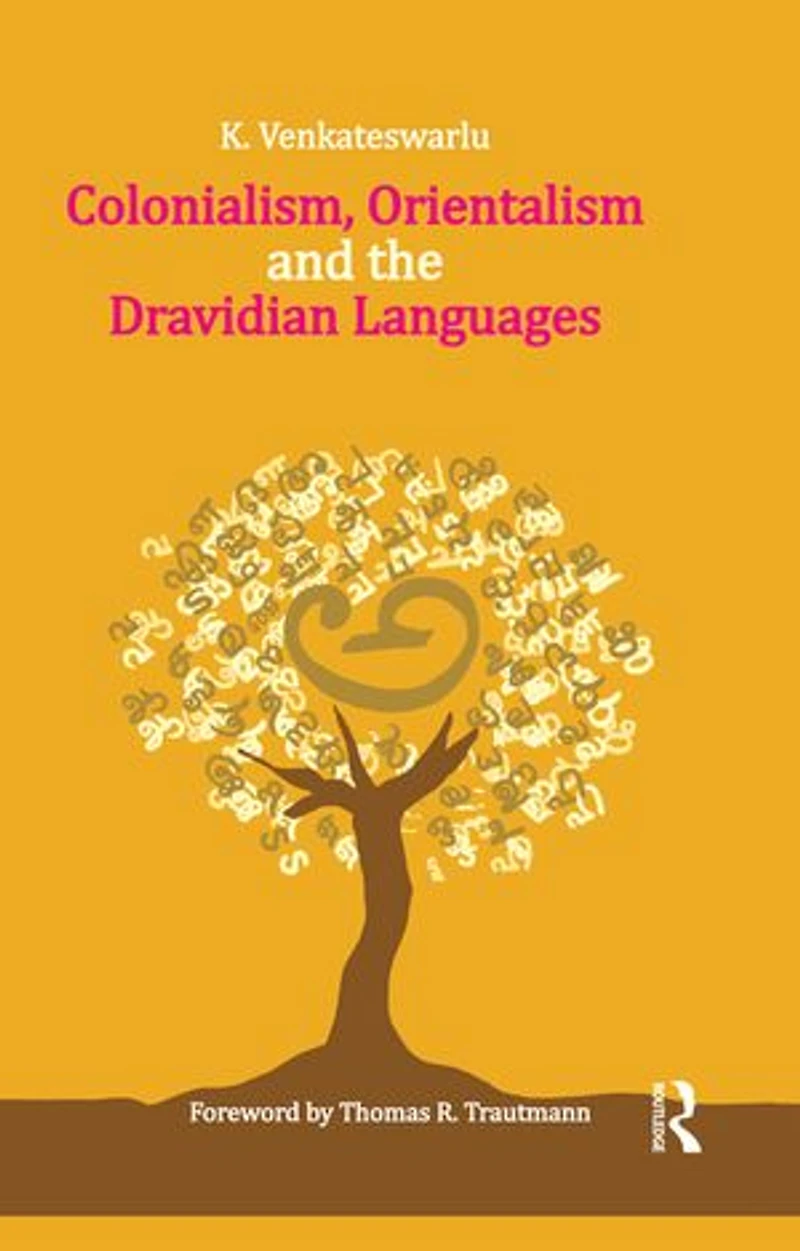
Colonialism, Orientalism and the Dravidian Languages in Grande Prairie, AB
Current price: $89.56
Coles
Colonialism, Orientalism and the Dravidian Languages in Grande Prairie, AB
Current price: $89.56
Loading Inventory...
Size: Kobo eBook
*Product information and pricing may vary - to confirm current pricing, availability, shipping, and return information please contact Coles. In the event of a pricing discrepancy, the retailer's price will apply.
The Dravidian language family is marked historically by a protracted struggle between Tamil and its aggressively assertive supremacy, and the consequent peripheralizing of other majoritarian languages of the region. This book looks at the development of Telugu - with its unique grammatical and lexical tradition as instrumental in the construction of the concept of the Dravidian language family in 1816, and in the development of comparative linguistics since that time. The author's arguments locate Telugu in multiple matrices: of historical and theoretical Orientalism; the colonial state's interest in native languages; the politics of state patronage; questions of cultural assimilation and divergence; the overbearing presence of Tamil and its literary traditions; and the related inter- and intra-civilizational dialogues. The book thus grapples with the tortured emergence of Telugu - a product of the dynamics of Andhra society, economy, polity and culture influenced and driven by Muslim, Hindu and Western influence. With its richly textured narrative, this book will be of interest to those in the fields of history, sociology, socio-linguistics, colonial studies, and literature, apart from the generally interested reader.
The Dravidian language family is marked historically by a protracted struggle between Tamil and its aggressively assertive supremacy, and the consequent peripheralizing of other majoritarian languages of the region. This book looks at the development of Telugu - with its unique grammatical and lexical tradition as instrumental in the construction of the concept of the Dravidian language family in 1816, and in the development of comparative linguistics since that time. The author's arguments locate Telugu in multiple matrices: of historical and theoretical Orientalism; the colonial state's interest in native languages; the politics of state patronage; questions of cultural assimilation and divergence; the overbearing presence of Tamil and its literary traditions; and the related inter- and intra-civilizational dialogues. The book thus grapples with the tortured emergence of Telugu - a product of the dynamics of Andhra society, economy, polity and culture influenced and driven by Muslim, Hindu and Western influence. With its richly textured narrative, this book will be of interest to those in the fields of history, sociology, socio-linguistics, colonial studies, and literature, apart from the generally interested reader.








Find at Prairie Mall in Grande Prairie, AB
Visit at Prairie Mall in Grande Prairie, AB