


Gifting Made Simple
Give the Gift of ChoiceClick below to purchase a Prairie Mall eGift Card that can be used at participating retailers at Prairie Mall.Buy Gift CardHome
Colonialism and Postcolonial Development: Spanish America in Comparative Perspective
Coles
Loading Inventory...
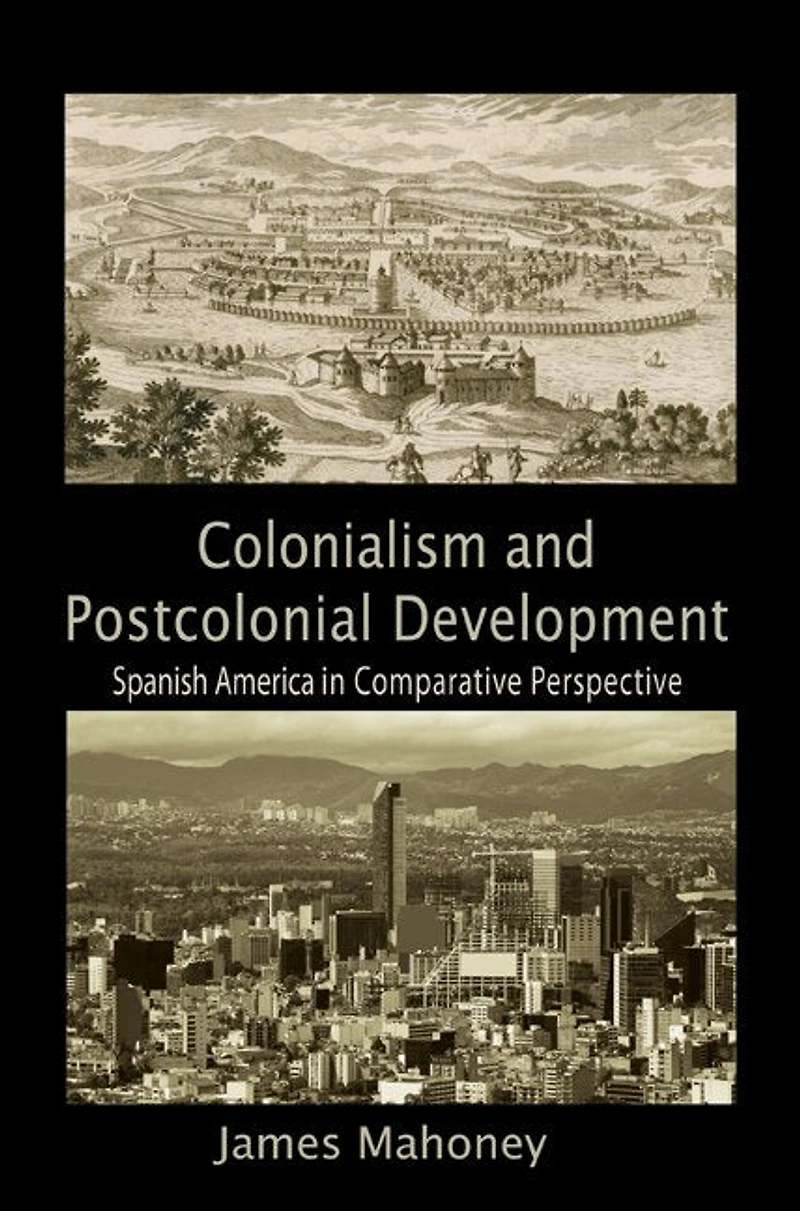
Colonialism and Postcolonial Development: Spanish America in Comparative Perspective in Grande Prairie, AB
Current price: $42.95
Coles
Colonialism and Postcolonial Development: Spanish America in Comparative Perspective in Grande Prairie, AB
Current price: $42.95
Loading Inventory...
Size: Paperback
*Product information and pricing may vary - to confirm current pricing, availability, shipping, and return information please contact Coles. In the event of a pricing discrepancy, the retailer's price will apply.
In this comparative-historical analysis of Spanish America, James Mahoney offers a new theory of colonialism and postcolonial development. The book explores why certain kinds of societies are subject to certain kinds of colonialism and why these forms of colonialism give rise to countries with differing levels of economic prosperity and social well-being. Mahoney contends that differences in the extent of colonialism are best explained by the potentially evolving fit between the institutions of the colonizing nation and those of the colonized society. Moreover, he shows how institutions forged under colonialism bring countries to relative levels of development that may prove remarkably enduring in the postcolonial period. The argument is sure to stir discussion and debate, both among experts on Spanish America who believe that development is not tightly bound by the colonial past, and among scholars of colonialism who suggest that the institutional identity of the colonizing nation is of little consequence.
In this comparative-historical analysis of Spanish America, James Mahoney offers a new theory of colonialism and postcolonial development. The book explores why certain kinds of societies are subject to certain kinds of colonialism and why these forms of colonialism give rise to countries with differing levels of economic prosperity and social well-being. Mahoney contends that differences in the extent of colonialism are best explained by the potentially evolving fit between the institutions of the colonizing nation and those of the colonized society. Moreover, he shows how institutions forged under colonialism bring countries to relative levels of development that may prove remarkably enduring in the postcolonial period. The argument is sure to stir discussion and debate, both among experts on Spanish America who believe that development is not tightly bound by the colonial past, and among scholars of colonialism who suggest that the institutional identity of the colonizing nation is of little consequence.
You May Also Like










Find at Prairie Mall in Grande Prairie, AB
Visit at Prairie Mall in Grande Prairie, AB