


Gifting Made Simple
Give the Gift of ChoiceClick below to purchase a Prairie Mall eGift Card that can be used at participating retailers at Prairie Mall.Buy Gift CardHome
Colonial Theories of Institutional Development: Toward a Model Styles Imperialism
Coles
Loading Inventory...


Colonial Theories of Institutional Development: Toward a Model Styles Imperialism in Grande Prairie, AB
Current price: $145.95
Coles
Colonial Theories of Institutional Development: Toward a Model Styles Imperialism in Grande Prairie, AB
Current price: $145.95
Loading Inventory...
Size: Hardcover
*Product information and pricing may vary - to confirm current pricing, availability, shipping, and return information please contact Coles. In the event of a pricing discrepancy, the retailer's price will apply.
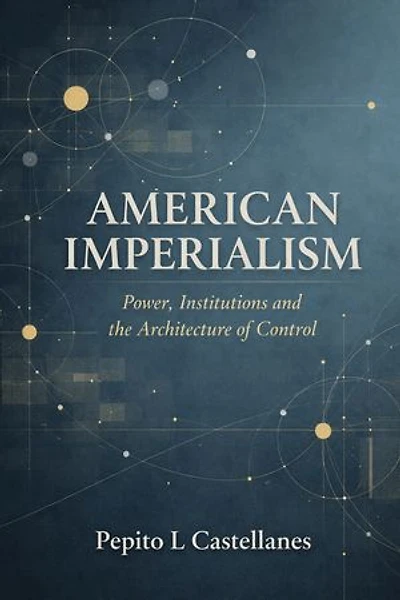
This book analyzes the role played by initial endowments and colonizer identity in seeking to explain institutional development in former colonies. It presents a model of two styles of imperialism that integrates the colonial origin and endowment views explaining current institutions. The authors argue that Great Britain and Portugal adopted an 'economically-oriented' style, which was pragmatic and sensitive to initial conditions. For this style of imperialism the endowment view is applicable. In contrast, France employed a 'politically-oriented' style of imperialism, in which ideological and political motivations were more present. This led to a uniform colonial policy that largely disregarded initial endowments. In turn, the case of Spain represents a hybrid of the two models. The empirical analysis presented here reveals a remarkable degree of heterogeneity in the relationship of endowments and colonizer identity with current institutions.
This book analyzes the role played by initial endowments and colonizer identity in seeking to explain institutional development in former colonies. It presents a model of two styles of imperialism that integrates the colonial origin and endowment views explaining current institutions. The authors argue that Great Britain and Portugal adopted an 'economically-oriented' style, which was pragmatic and sensitive to initial conditions. For this style of imperialism the endowment view is applicable. In contrast, France employed a 'politically-oriented' style of imperialism, in which ideological and political motivations were more present. This led to a uniform colonial policy that largely disregarded initial endowments. In turn, the case of Spain represents a hybrid of the two models. The empirical analysis presented here reveals a remarkable degree of heterogeneity in the relationship of endowments and colonizer identity with current institutions.











Find at Prairie Mall in Grande Prairie, AB
Visit at Prairie Mall in Grande Prairie, AB