


Gifting Made Simple
Give the Gift of ChoiceClick below to purchase a Prairie Mall eGift Card that can be used at participating retailers at Prairie Mall.Buy Gift CardHome
Colonial Origins of Democracy and Dictatorship
Coles
Loading Inventory...
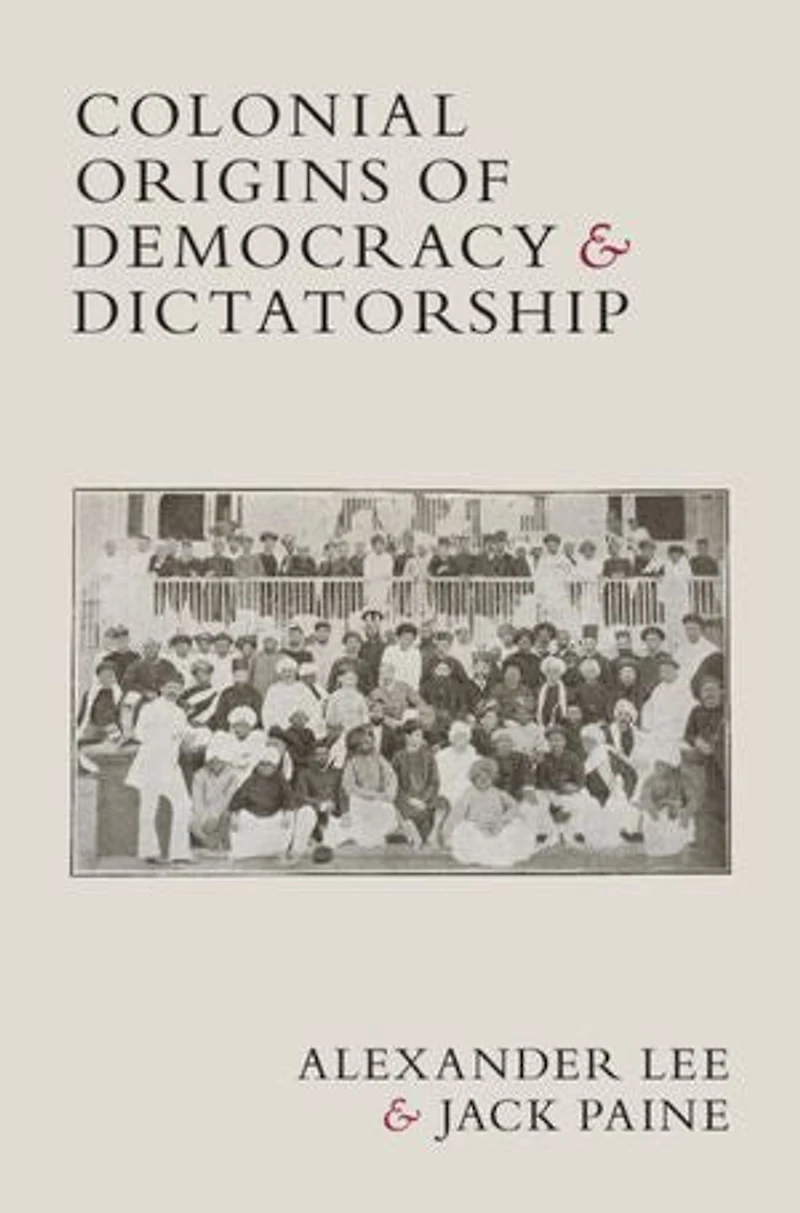
Colonial Origins of Democracy and Dictatorship in Grande Prairie, AB
Current price: $36.79
Original price: $45.95
Coles
Colonial Origins of Democracy and Dictatorship in Grande Prairie, AB
Current price: $36.79
Original price: $45.95
Loading Inventory...
Size: Kobo eBook
*Product information and pricing may vary - to confirm current pricing, availability, shipping, and return information please contact Coles. In the event of a pricing discrepancy, the retailer's price will apply.
Why are some countries more democratic than others? For most non-European countries, elections began under Western colonial rule. However, existing research largely overlooks these democratic origins. Analyzing a global sample of colonies across four centuries, this book explains the emergence of colonial electoral institutions and their lasting impact. The degree of democracy in the metropole, the size of the white settler population, and pressure from non-Europeans all shaped the timing and form of colonial elections. White settlers and non-white middle classes educated in the colonizer's language usually gained early elections but settler minorities resisted subsequent franchise expansion. Authoritarian metropoles blocked elections entirely. Countries with lengthy exposure to competitive colonial institutions tended to consolidate democracies after independence. By contrast, countries with shorter electoral episodes usually shed democratic institutions and countries that were denied colonial elections consolidated stable dictatorships. Regime trajectories shaped by colonial rule persist to the present day.
Why are some countries more democratic than others? For most non-European countries, elections began under Western colonial rule. However, existing research largely overlooks these democratic origins. Analyzing a global sample of colonies across four centuries, this book explains the emergence of colonial electoral institutions and their lasting impact. The degree of democracy in the metropole, the size of the white settler population, and pressure from non-Europeans all shaped the timing and form of colonial elections. White settlers and non-white middle classes educated in the colonizer's language usually gained early elections but settler minorities resisted subsequent franchise expansion. Authoritarian metropoles blocked elections entirely. Countries with lengthy exposure to competitive colonial institutions tended to consolidate democracies after independence. By contrast, countries with shorter electoral episodes usually shed democratic institutions and countries that were denied colonial elections consolidated stable dictatorships. Regime trajectories shaped by colonial rule persist to the present day.
You May Also Like









Find at Prairie Mall in Grande Prairie, AB
Visit at Prairie Mall in Grande Prairie, AB