


Gifting Made Simple
Give the Gift of ChoiceClick below to purchase a Prairie Mall eGift Card that can be used at participating retailers at Prairie Mall.Buy Gift CardHome
Colonial Impotence: Virtue and Violence a Congolese Concession (1911–1940)
Coles
Loading Inventory...
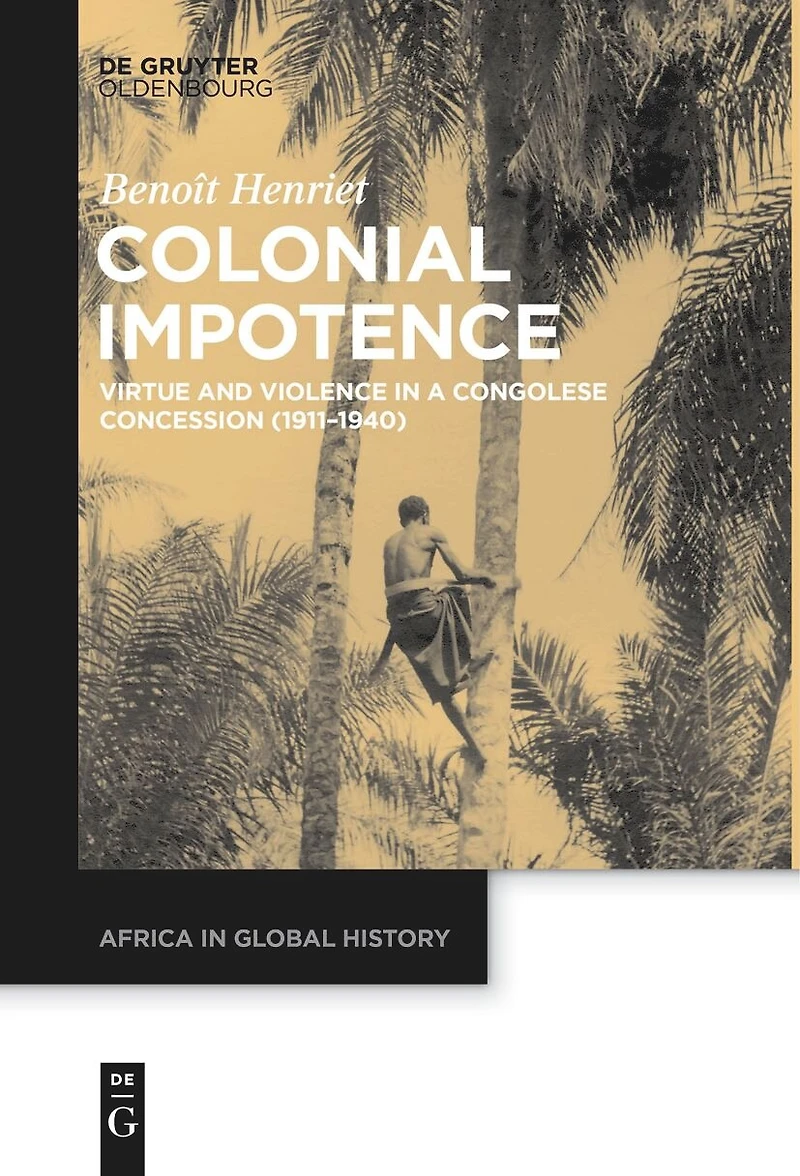
Colonial Impotence: Virtue and Violence a Congolese Concession (1911–1940) in Grande Prairie, AB
Current price: $124.99
Coles
Colonial Impotence: Virtue and Violence a Congolese Concession (1911–1940) in Grande Prairie, AB
Current price: $124.99
Loading Inventory...
Size: Hardcover
*Product information and pricing may vary - to confirm current pricing, availability, shipping, and return information please contact Coles. In the event of a pricing discrepancy, the retailer's price will apply.
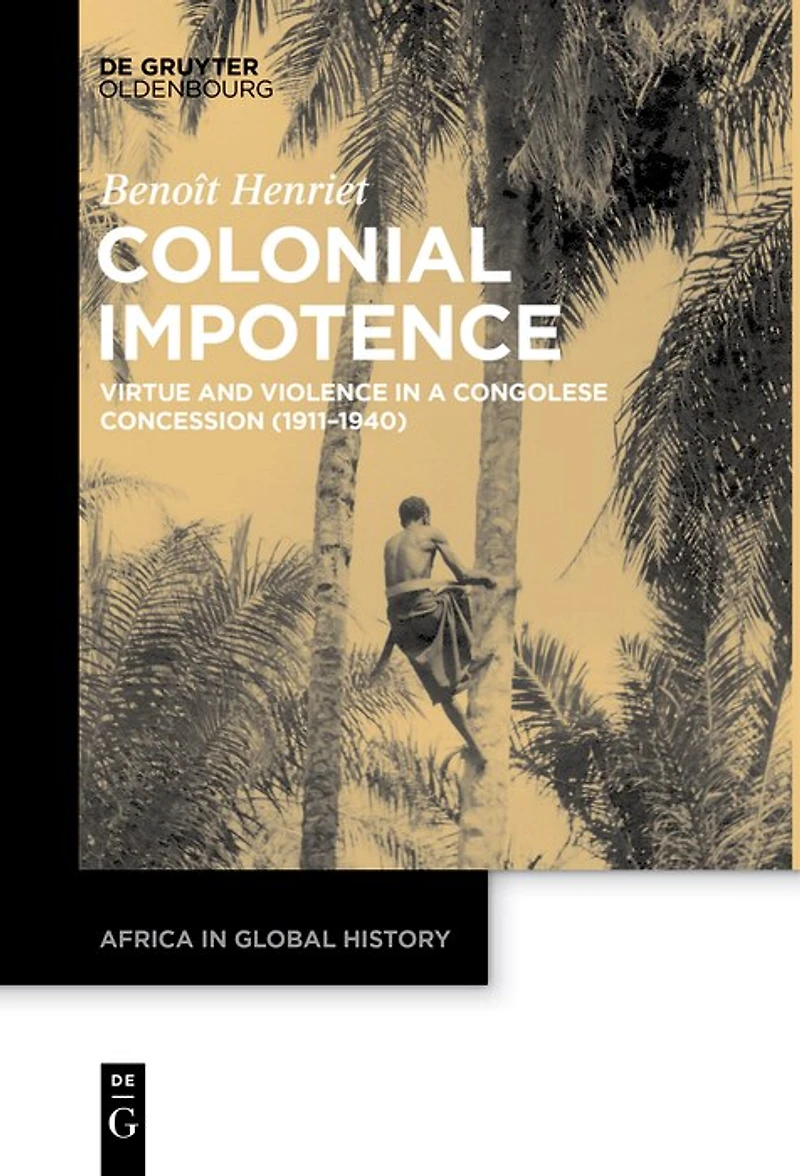
In Colonial Impotence , Benoît Henriet studies the violent contradictions of colonial rule from the standpoint of the Leverville concession, Belgian Congo’s largest palm oil exploitation. Leverville was imagined as a benevolent tropical utopia, whose Congolese workers would be "civilized" through a paternalist machinery. However, the concession was marred by inefficiency, endemic corruption and intrinsic brutality. Colonial agents in the field could be seen as impotent, for they were both unable and unwilling to perform as expected. This book offers a new take on the joint experience of colonialism and capitalism in Southwest Congo, and sheds light on their impact on local environments, bodies, societies and cosmogonies.
In Colonial Impotence , Benoît Henriet studies the violent contradictions of colonial rule from the standpoint of the Leverville concession, Belgian Congo’s largest palm oil exploitation. Leverville was imagined as a benevolent tropical utopia, whose Congolese workers would be "civilized" through a paternalist machinery. However, the concession was marred by inefficiency, endemic corruption and intrinsic brutality. Colonial agents in the field could be seen as impotent, for they were both unable and unwilling to perform as expected. This book offers a new take on the joint experience of colonialism and capitalism in Southwest Congo, and sheds light on their impact on local environments, bodies, societies and cosmogonies.
You May Also Like











Find at Prairie Mall in Grande Prairie, AB
Visit at Prairie Mall in Grande Prairie, AB