


Gifting Made Simple
Give the Gift of ChoiceClick below to purchase a Prairie Mall eGift Card that can be used at participating retailers at Prairie Mall.Buy Gift CardHome
Colonial Buganda and the End of Empire: Political Thought Historical Imagination Africa
Coles
Loading Inventory...
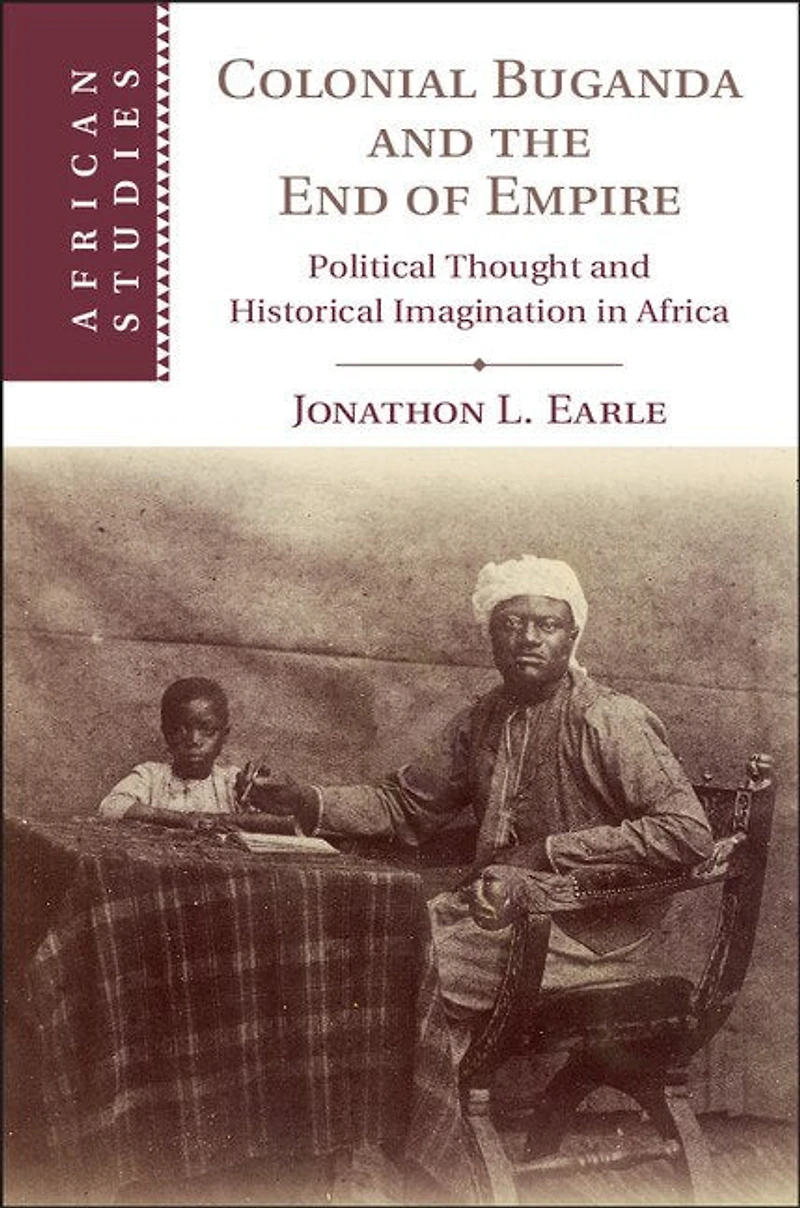
Colonial Buganda and the End of Empire: Political Thought Historical Imagination Africa in Grande Prairie, AB
Current price: $152.95
Coles
Colonial Buganda and the End of Empire: Political Thought Historical Imagination Africa in Grande Prairie, AB
Current price: $152.95
Loading Inventory...
Size: Hardcover
*Product information and pricing may vary - to confirm current pricing, availability, shipping, and return information please contact Coles. In the event of a pricing discrepancy, the retailer's price will apply.
Colonial Buganda was one of the most important and richly documented kingdoms in East Africa. In this book, Jonathon L. Earle offers the first global intellectual history of the Kingdom, using a series of case studies, interviews and previously inaccessible private archives to offer new insights concerning the multiple narratives used by intellectuals. Where previous studies on literacy in Africa have presupposed 'sacred' or 'secular' categories, Earle argues that activists blurred European epistemologies as they reworked colonial knowledge into vernacular debates about kingship and empire. Furthermore, by presenting Catholic, Muslim and Protestant histories and political perspectives in conversation with one another, he offers a nuanced picture of the religious and social environment. Through the lives, politics, and historical contexts of these African intellectuals, Earle presents an important argument about the end of empire, making the reader rethink the dynamics of political imagination and historical pluralism in the colonial and postcolonial state.
Colonial Buganda was one of the most important and richly documented kingdoms in East Africa. In this book, Jonathon L. Earle offers the first global intellectual history of the Kingdom, using a series of case studies, interviews and previously inaccessible private archives to offer new insights concerning the multiple narratives used by intellectuals. Where previous studies on literacy in Africa have presupposed 'sacred' or 'secular' categories, Earle argues that activists blurred European epistemologies as they reworked colonial knowledge into vernacular debates about kingship and empire. Furthermore, by presenting Catholic, Muslim and Protestant histories and political perspectives in conversation with one another, he offers a nuanced picture of the religious and social environment. Through the lives, politics, and historical contexts of these African intellectuals, Earle presents an important argument about the end of empire, making the reader rethink the dynamics of political imagination and historical pluralism in the colonial and postcolonial state.
You May Also Like









Find at Prairie Mall in Grande Prairie, AB
Visit at Prairie Mall in Grande Prairie, AB