


Gifting Made Simple
Give the Gift of ChoiceClick below to purchase a Prairie Mall eGift Card that can be used at participating retailers at Prairie Mall.Buy Gift CardHome
Collecting the Revolution: British Engagements with Chinese Cultural Revolution Material Culture
Coles
Loading Inventory...
Collecting the Revolution: British Engagements with Chinese Cultural Revolution Material Culture in Grande Prairie, AB
Current price: $189.95
Coles
Collecting the Revolution: British Engagements with Chinese Cultural Revolution Material Culture in Grande Prairie, AB
Current price: $189.95
Loading Inventory...
Size: Hardcover
*Product information and pricing may vary - to confirm current pricing, availability, shipping, and return information please contact Coles. In the event of a pricing discrepancy, the retailer's price will apply.
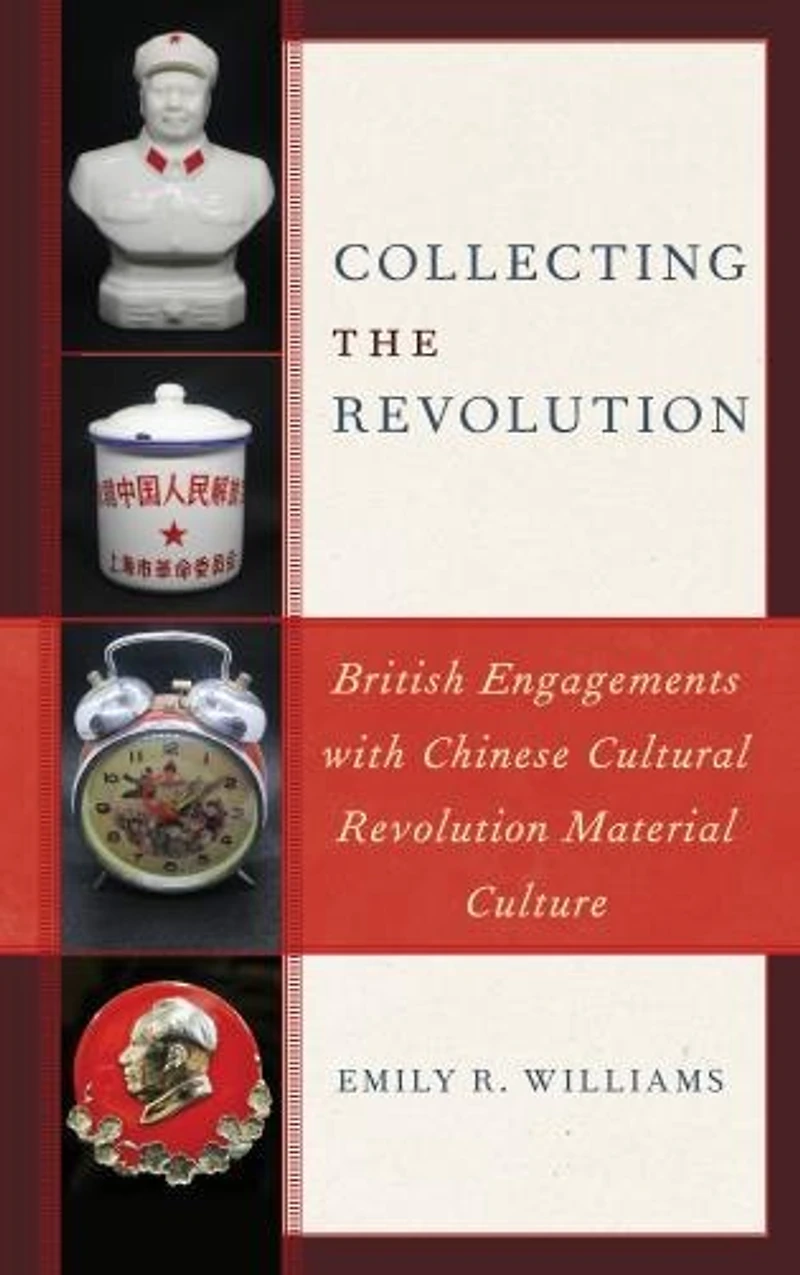
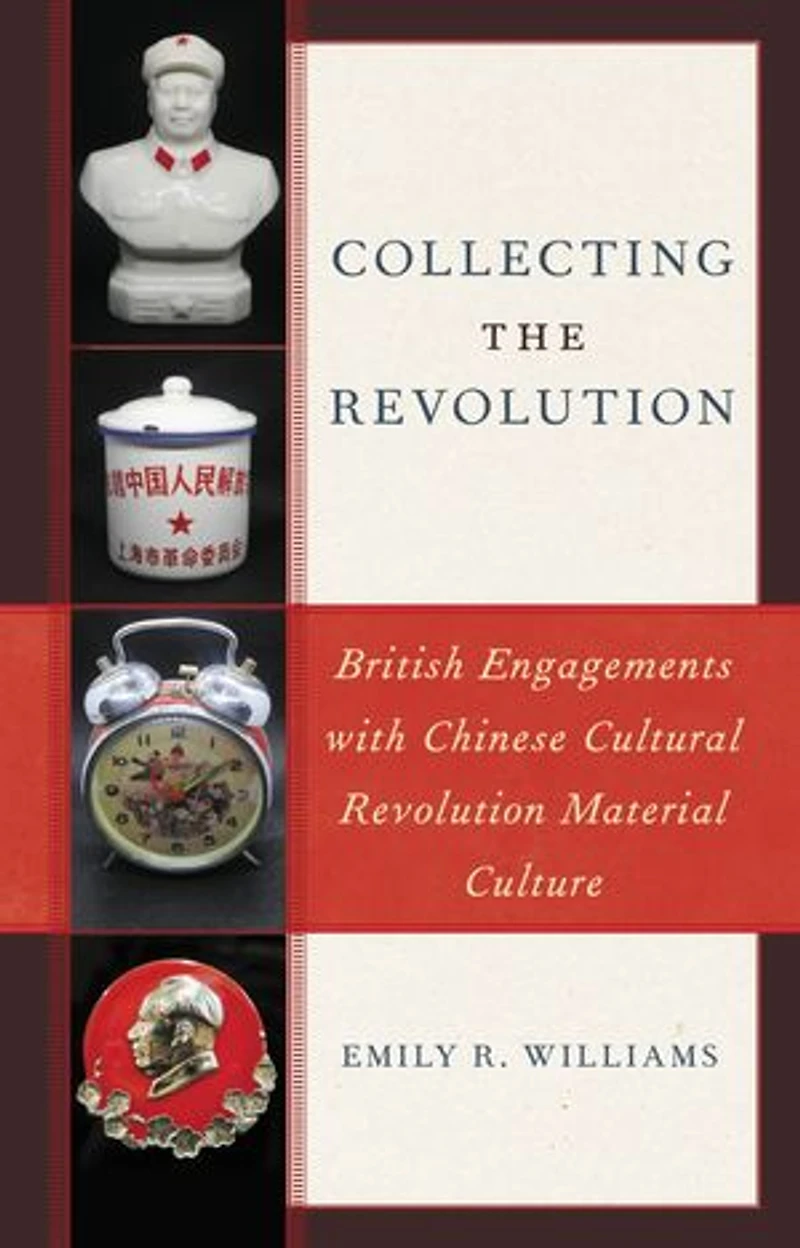
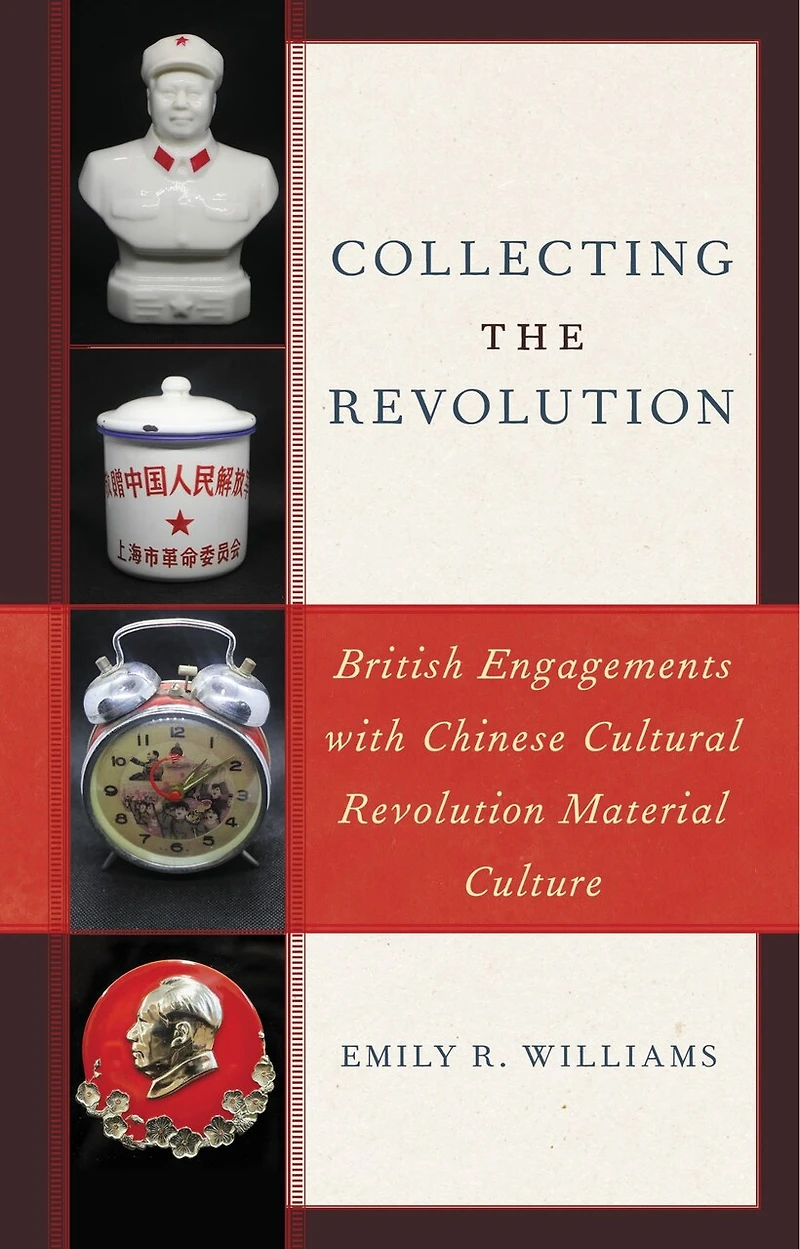
In the late 1960s, student protests broke out throughout much of the world, and while Britain's anti-Vietnam protestors and China's Red Guards were clearly radically different, these movements at times shared inspirations, aspirations, and aesthetics. Within Western popular media, Mao's China was portrayed as a danger to world peace, but at the same time, for some on the counter-cultural left, the Cultural Revolution (1966-1976) contained ideas worthy of exploration. Moreover, because of Britain's continued colonial possession of Hong Kong, Britain had a specific interest in ongoing events in China, and information was highly sought after. Thus, the objects that China exported-propaganda posters, paintings, Mao badges, periodicals, ceramics, etc.-became a crucial avenue through which China was known at this time, and interest in them crossed the political divide. Collecting the Revolution uses the objects that the Chinese government sent abroad and that visitors brought back with them to open up the stories of diplomats, journalists, activists, students, and others and how they imagined, engaged with, and later remembered Mao's China through its objects. It chronicles the story of how these objects were later incorporated into the collections of some of Britain's most prominent museums, thus allowing later generations to continue to engage with one of the most controversial and important periods of China's recent history.
In the late 1960s, student protests broke out throughout much of the world, and while Britain's anti-Vietnam protestors and China's Red Guards were clearly radically different, these movements at times shared inspirations, aspirations, and aesthetics. Within Western popular media, Mao's China was portrayed as a danger to world peace, but at the same time, for some on the counter-cultural left, the Cultural Revolution (1966-1976) contained ideas worthy of exploration. Moreover, because of Britain's continued colonial possession of Hong Kong, Britain had a specific interest in ongoing events in China, and information was highly sought after. Thus, the objects that China exported-propaganda posters, paintings, Mao badges, periodicals, ceramics, etc.-became a crucial avenue through which China was known at this time, and interest in them crossed the political divide. Collecting the Revolution uses the objects that the Chinese government sent abroad and that visitors brought back with them to open up the stories of diplomats, journalists, activists, students, and others and how they imagined, engaged with, and later remembered Mao's China through its objects. It chronicles the story of how these objects were later incorporated into the collections of some of Britain's most prominent museums, thus allowing later generations to continue to engage with one of the most controversial and important periods of China's recent history.
You May Also Like








Find at Prairie Mall in Grande Prairie, AB
Visit at Prairie Mall in Grande Prairie, AB