


Gifting Made Simple
Give the Gift of ChoiceClick below to purchase a Prairie Mall eGift Card that can be used at participating retailers at Prairie Mall.Buy Gift CardHome
Cold War Submarines: The Design and Construction of U.S. and Soviet Submarines, 1945-2001
Coles
Loading Inventory...
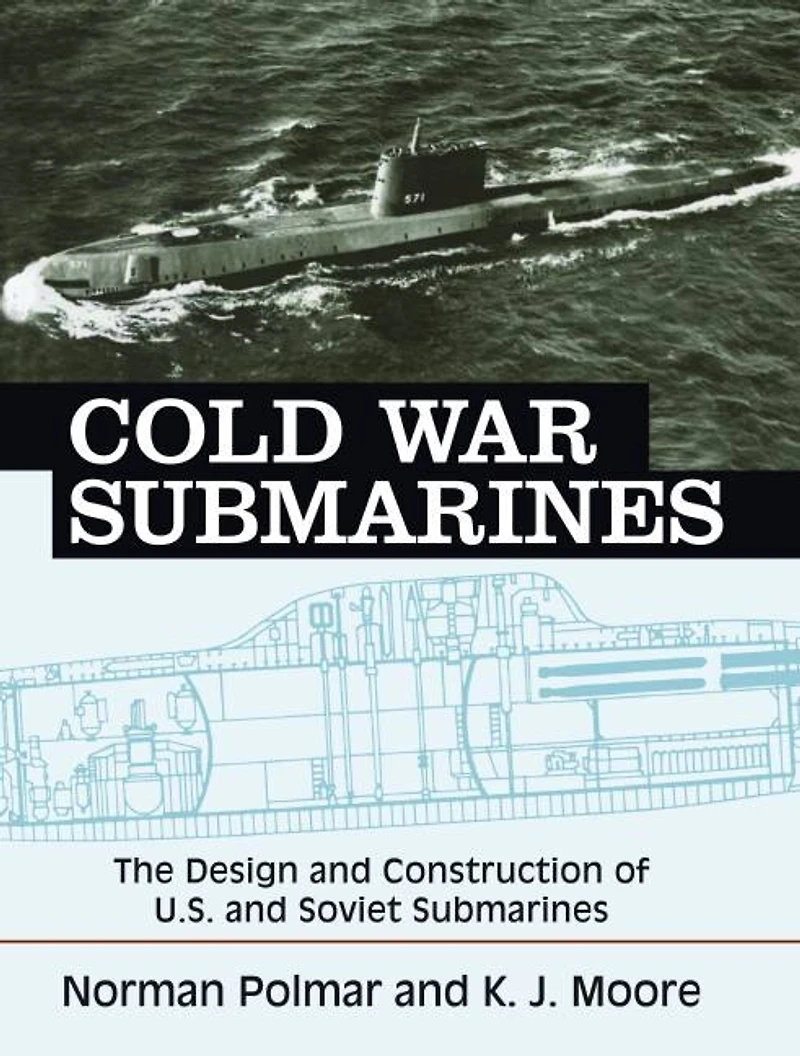
Cold War Submarines: The Design and Construction of U.S. and Soviet Submarines, 1945-2001 in Grande Prairie, AB
Current price: $67.95
Coles
Cold War Submarines: The Design and Construction of U.S. and Soviet Submarines, 1945-2001 in Grande Prairie, AB
Current price: $67.95
Loading Inventory...
Size: Paperback
*Product information and pricing may vary - to confirm current pricing, availability, shipping, and return information please contact Coles. In the event of a pricing discrepancy, the retailer's price will apply.
Submarines had a vital, if often unheralded, role in the superpower navies during the Cold War. Their crews carried out intelligence-collection operations, sought out and stood ready to destroy opposing submarines, and, from the early 1960s, threatened missile attacks on their adversary’s homeland, providing in many respects the most survivable nuclear deterrent of the Cold War. For both East and West, the modern submarine originated in German U-boat designs obtained at the end of World War II. Although enjoying a similar technology base, by the 1990s the superpowers had created submarine fleets of radically different designs and capabilities. Written in collaboration with the former Soviet submarine design bureaus, Norman Polmar and K. J. Moore authoritatively demonstrate in this landmark study how differing submarine missions, antisubmarine priorities, levels of technical competence, and approaches to submarine design organizations and management caused the divergence.
Submarines had a vital, if often unheralded, role in the superpower navies during the Cold War. Their crews carried out intelligence-collection operations, sought out and stood ready to destroy opposing submarines, and, from the early 1960s, threatened missile attacks on their adversary’s homeland, providing in many respects the most survivable nuclear deterrent of the Cold War. For both East and West, the modern submarine originated in German U-boat designs obtained at the end of World War II. Although enjoying a similar technology base, by the 1990s the superpowers had created submarine fleets of radically different designs and capabilities. Written in collaboration with the former Soviet submarine design bureaus, Norman Polmar and K. J. Moore authoritatively demonstrate in this landmark study how differing submarine missions, antisubmarine priorities, levels of technical competence, and approaches to submarine design organizations and management caused the divergence.
You May Also Like













Find at Prairie Mall in Grande Prairie, AB
Visit at Prairie Mall in Grande Prairie, AB