


Gifting Made Simple
Give the Gift of ChoiceClick below to purchase a Prairie Mall eGift Card that can be used at participating retailers at Prairie Mall.Buy Gift CardHome
Cocaine Trafficking In Latin America: Eu And Us Policy Responses
Coles
Loading Inventory...
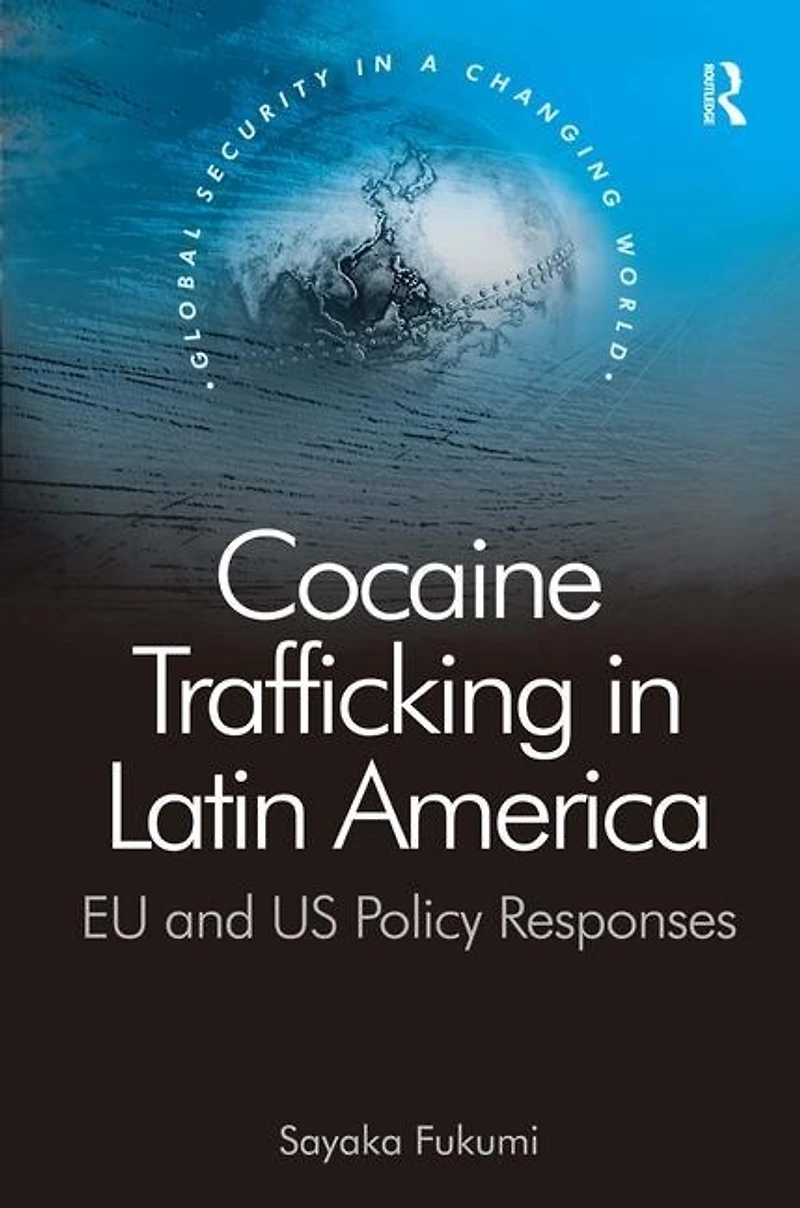
Cocaine Trafficking In Latin America: Eu And Us Policy Responses in Grande Prairie, AB
Current price: $224.00
Coles
Cocaine Trafficking In Latin America: Eu And Us Policy Responses in Grande Prairie, AB
Current price: $224.00
Loading Inventory...
Size: Hardcover
*Product information and pricing may vary - to confirm current pricing, availability, shipping, and return information please contact Coles. In the event of a pricing discrepancy, the retailer's price will apply.
The post-Cold War world has seen the emergence of new kinds of security threats. Whilst traditionally security threats were perceived of in terms of military threats against a state, non-traditional security threats are those that pose a threat to various internal competencies of the state and its identity both home and abroad. The European Union and the United States have identified Latin American cocaine trafficking as a security threat, but their policy responses to it have differed. This book examines the ways in which the EU and the US have conceptualized this threat. Furthermore, it explores the impact of cocaine trafficking on four state functions - economic, political, public order and diplomatic - in order to explain why it has become ''securitized''. Appealing to a variety of university courses, this book is especially relevant to security studies and European and US policy analysis, as well as criminology and sociology.
The post-Cold War world has seen the emergence of new kinds of security threats. Whilst traditionally security threats were perceived of in terms of military threats against a state, non-traditional security threats are those that pose a threat to various internal competencies of the state and its identity both home and abroad. The European Union and the United States have identified Latin American cocaine trafficking as a security threat, but their policy responses to it have differed. This book examines the ways in which the EU and the US have conceptualized this threat. Furthermore, it explores the impact of cocaine trafficking on four state functions - economic, political, public order and diplomatic - in order to explain why it has become ''securitized''. Appealing to a variety of university courses, this book is especially relevant to security studies and European and US policy analysis, as well as criminology and sociology.
You May Also Like








Find at Prairie Mall in Grande Prairie, AB
Visit at Prairie Mall in Grande Prairie, AB