


Gifting Made Simple
Give the Gift of ChoiceClick below to purchase a Prairie Mall eGift Card that can be used at participating retailers at Prairie Mall.Buy Gift CardHome
Clinton, New Terrorism and the Origins of War on Terror
Coles
Loading Inventory...
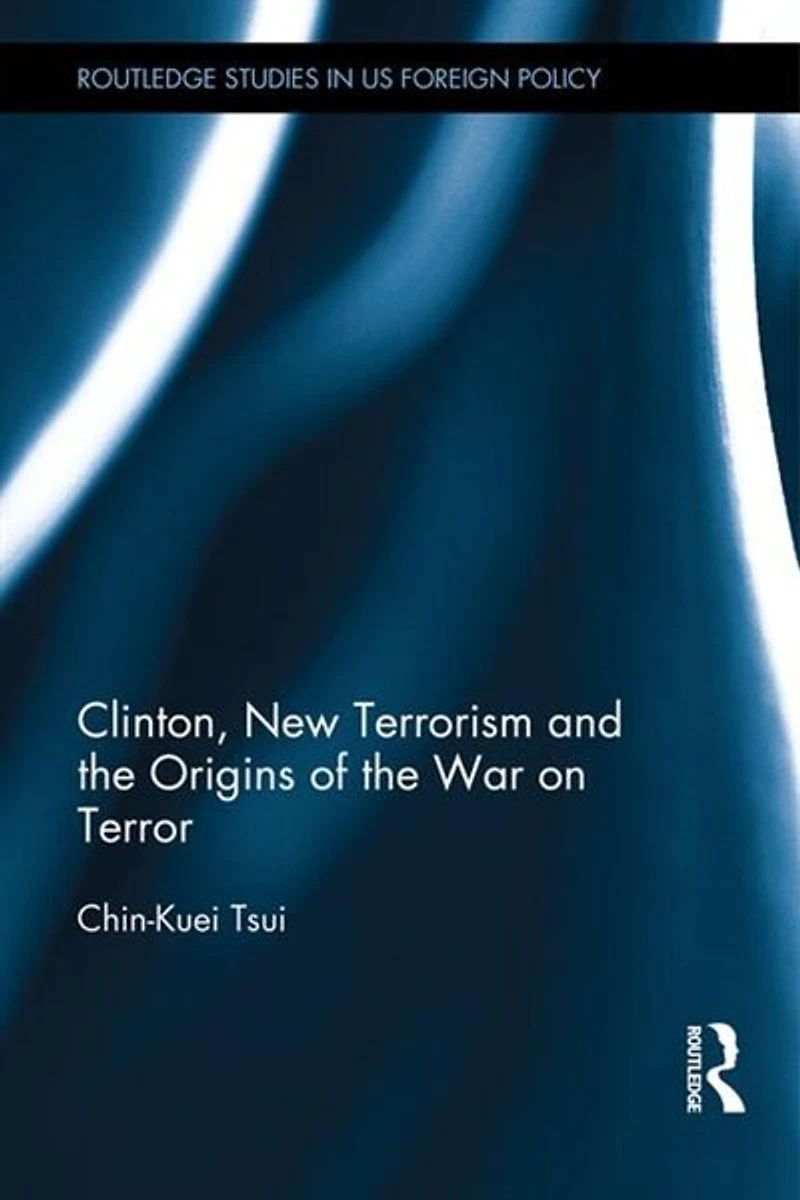
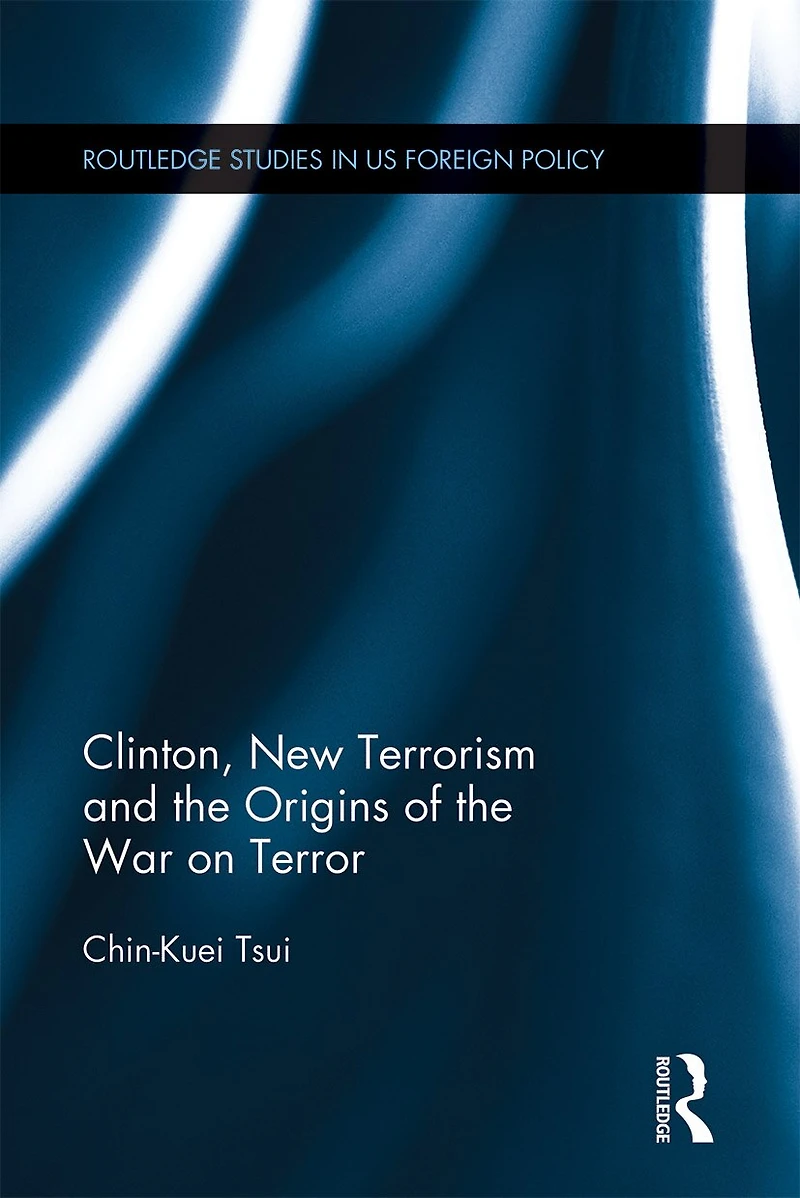
Clinton, New Terrorism and the Origins of War on Terror in Grande Prairie, AB
Current price: $333.50
Coles
Clinton, New Terrorism and the Origins of War on Terror in Grande Prairie, AB
Current price: $333.50
Loading Inventory...
Size: Hardcover
*Product information and pricing may vary - to confirm current pricing, availability, shipping, and return information please contact Coles. In the event of a pricing discrepancy, the retailer's price will apply.
A frequent assumption of the American-led 'war on terror' and its accompanying discourse originated largely with the George W. Bush Administration, and that there was a counterterrorism policy revolution in the U.S. political arena. Challenging these assumptions, through a genealogical analysis of U.S. terrorism and counterterrorism discourses, this book demonstrates a distinct continuity (and lack of change) of U.S. counterterrorism policy, from Ronald Reagan, to Bill Clinton, and through to George W. Bush.
The book focuses on President Clinton's discursive construction of 'new terrorism', or 'catastrophic terrorism', and the counterterrorism practices implemented by the Clinton Administration, while simultaneously comparing it with President Reagan's and President George W. Bush's approaches to counterterrorism. It shows how the war on terror can be traced to earlier periods, and that the so-called Bush revolution was largely built upon the existing framework established by President Reagan and President Clinton. Prior to the 2001 terrorist attacks, Clinton had expanded Reagan's first 'war on terrorism' discourse and constructed the 'new terrorism' discourse, characterised by the notions of borderless threats, 'home-grown' terrorism, WMD-terrorism, cyberterrorism, and rogue states. Clinton's 'new terrorism' discourse provided a useful framework for George W. Bush to discursively respond to the terrorist attacks on September 11th, 2001.
Aiming to uncover the myth of President George W. Bush's foreign policy revolution and contribute to a deeper historical understanding of the U.S.-led war on terror, it will be of great use to postgraduates and scholars of US foreign policy, security studies and terrorism studies.
A frequent assumption of the American-led 'war on terror' and its accompanying discourse originated largely with the George W. Bush Administration, and that there was a counterterrorism policy revolution in the U.S. political arena. Challenging these assumptions, through a genealogical analysis of U.S. terrorism and counterterrorism discourses, this book demonstrates a distinct continuity (and lack of change) of U.S. counterterrorism policy, from Ronald Reagan, to Bill Clinton, and through to George W. Bush.
The book focuses on President Clinton's discursive construction of 'new terrorism', or 'catastrophic terrorism', and the counterterrorism practices implemented by the Clinton Administration, while simultaneously comparing it with President Reagan's and President George W. Bush's approaches to counterterrorism. It shows how the war on terror can be traced to earlier periods, and that the so-called Bush revolution was largely built upon the existing framework established by President Reagan and President Clinton. Prior to the 2001 terrorist attacks, Clinton had expanded Reagan's first 'war on terrorism' discourse and constructed the 'new terrorism' discourse, characterised by the notions of borderless threats, 'home-grown' terrorism, WMD-terrorism, cyberterrorism, and rogue states. Clinton's 'new terrorism' discourse provided a useful framework for George W. Bush to discursively respond to the terrorist attacks on September 11th, 2001.
Aiming to uncover the myth of President George W. Bush's foreign policy revolution and contribute to a deeper historical understanding of the U.S.-led war on terror, it will be of great use to postgraduates and scholars of US foreign policy, security studies and terrorism studies.
You May Also Like












Find at Prairie Mall in Grande Prairie, AB
Visit at Prairie Mall in Grande Prairie, AB