


Gifting Made Simple
Give the Gift of ChoiceClick below to purchase a Prairie Mall eGift Card that can be used at participating retailers at Prairie Mall.Buy Gift CardHome
Climate Change Mitigation and Adaptation to Improve Food Security South Asia
Coles
Loading Inventory...
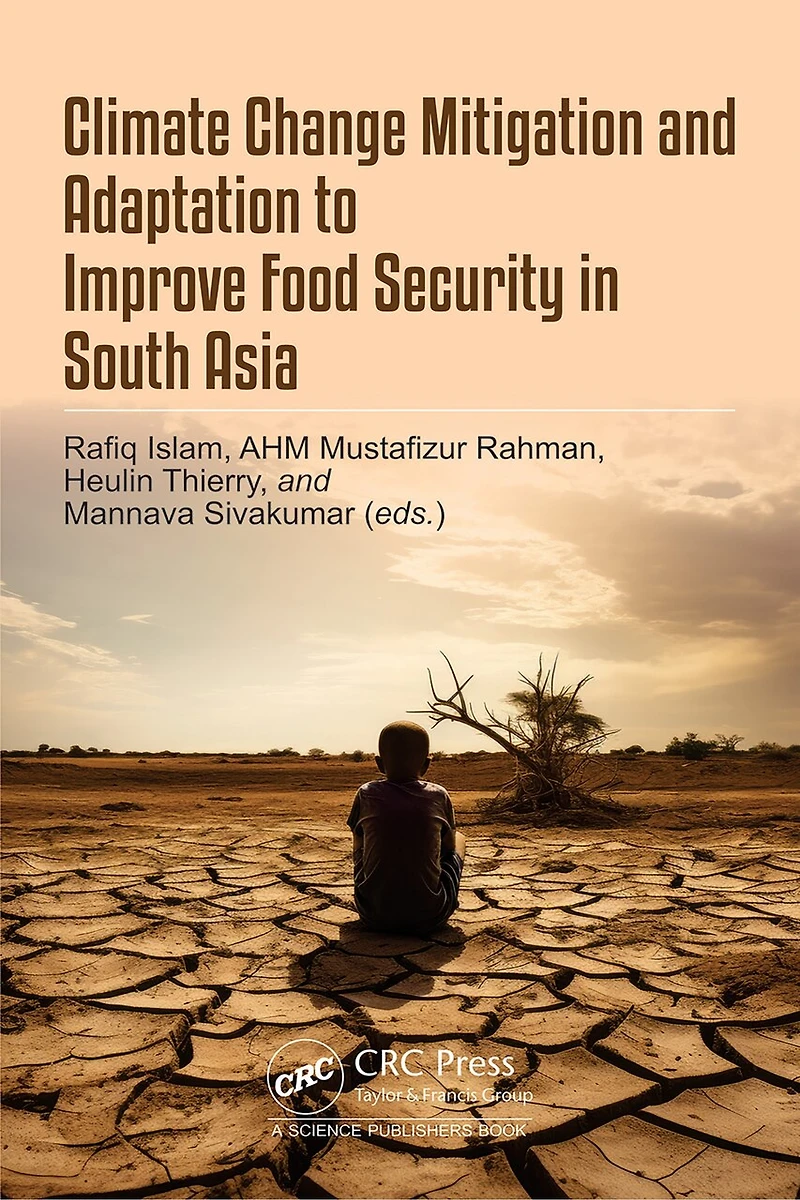
Climate Change Mitigation and Adaptation to Improve Food Security South Asia in Grande Prairie, AB
Current price: $266.50
Coles
Climate Change Mitigation and Adaptation to Improve Food Security South Asia in Grande Prairie, AB
Current price: $266.50
Loading Inventory...
Size: Hardcover
*Product information and pricing may vary - to confirm current pricing, availability, shipping, and return information please contact Coles. In the event of a pricing discrepancy, the retailer's price will apply.
Both food security and agriculture contribute to, and are affected by, global climate change. The Intergovernmental Panel on Climate Change reports that food production systems account for up to 37% of global greenhouse gas emissions. At the same time, these systems are increasingly vulnerable to climate change, with extreme weather events such as rising temperatures, flooding, drought, secondary salinity, and land degradation threatening food security in South Asia. Additionally, the spread of weeds, pests, and diseases due to shifting climates exacerbates these challenges. The strain on agriculture and food security from accelerated climate change is further worsening by rapid population growth. Globally, more than 820 million people suffer from hunger, and by 2050, food production will need to double to meet global demands. This intensification of farming, combined with climate change, will lead to greater reliance on reactive chemicals, water, and energy inputs-potentially damaging agroecosystem services and becoming increasingly difficult to manage. South Asia, with its high population growth, is particularly vulnerable to climate impacts such as flooding, salinity, droughts, and solar dimming. Rising sea levels and coastal erosion could result in the loss of 17% of land surface and 30% of food production by 2050. Agriculture and food systems must undergo innovative transformations to address these challenges. A comprehensive Climate Change Adaption Framework is essential for fostering a supportive policy environment, sharing information on climate impacts, and adapting climate-smart agriculture to enhance food security in South Asia. This book, based on the outcomes of the 2022 International Conference on Climate Change and Food security in South Asia, held in Dhaka, Bangladesh, explores key challenges and innovative solutions for mitigating and adapting to the impact of climate change on food security.
Both food security and agriculture contribute to, and are affected by, global climate change. The Intergovernmental Panel on Climate Change reports that food production systems account for up to 37% of global greenhouse gas emissions. At the same time, these systems are increasingly vulnerable to climate change, with extreme weather events such as rising temperatures, flooding, drought, secondary salinity, and land degradation threatening food security in South Asia. Additionally, the spread of weeds, pests, and diseases due to shifting climates exacerbates these challenges. The strain on agriculture and food security from accelerated climate change is further worsening by rapid population growth. Globally, more than 820 million people suffer from hunger, and by 2050, food production will need to double to meet global demands. This intensification of farming, combined with climate change, will lead to greater reliance on reactive chemicals, water, and energy inputs-potentially damaging agroecosystem services and becoming increasingly difficult to manage. South Asia, with its high population growth, is particularly vulnerable to climate impacts such as flooding, salinity, droughts, and solar dimming. Rising sea levels and coastal erosion could result in the loss of 17% of land surface and 30% of food production by 2050. Agriculture and food systems must undergo innovative transformations to address these challenges. A comprehensive Climate Change Adaption Framework is essential for fostering a supportive policy environment, sharing information on climate impacts, and adapting climate-smart agriculture to enhance food security in South Asia. This book, based on the outcomes of the 2022 International Conference on Climate Change and Food security in South Asia, held in Dhaka, Bangladesh, explores key challenges and innovative solutions for mitigating and adapting to the impact of climate change on food security.
You May Also Like










Find at Prairie Mall in Grande Prairie, AB
Visit at Prairie Mall in Grande Prairie, AB