


Gifting Made Simple
Give the Gift of ChoiceClick below to purchase a Prairie Mall eGift Card that can be used at participating retailers at Prairie Mall.Buy Gift CardHome
Climate Change and International History: Negotiating Science, Global Change, and Environmental Justice
Coles
Loading Inventory...
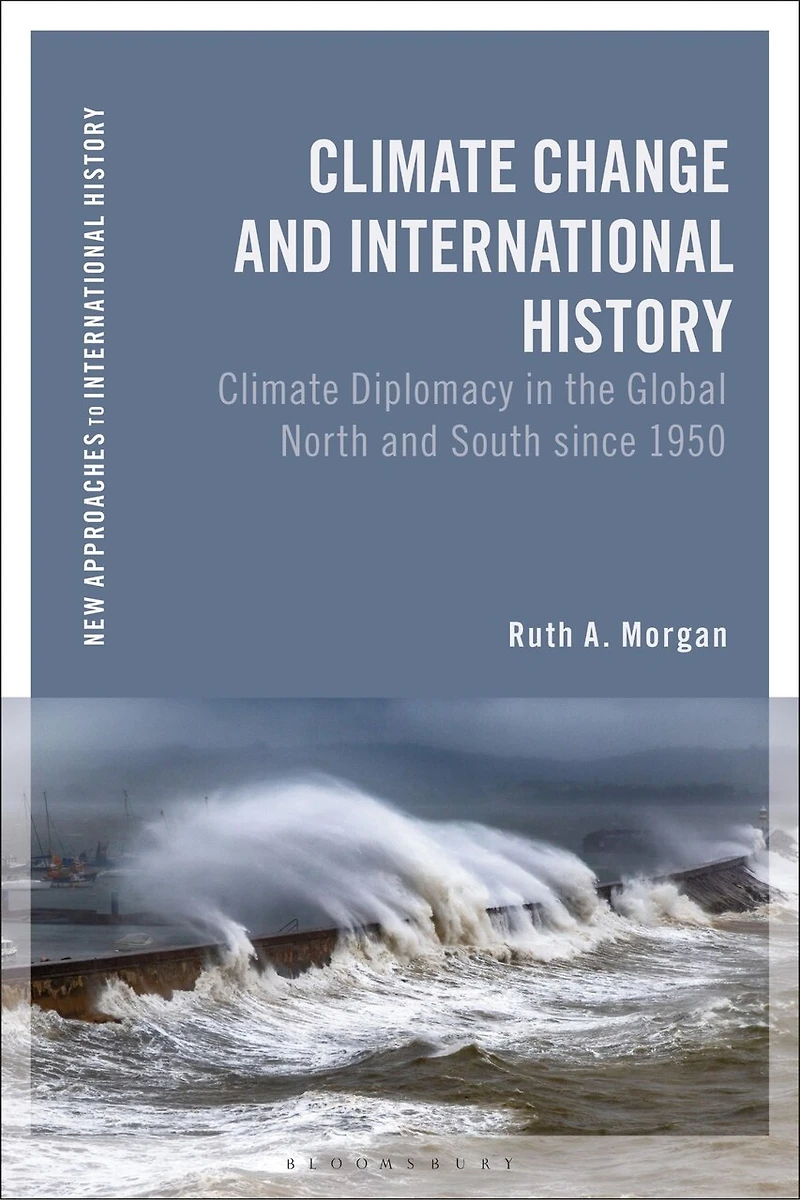
Climate Change and International History: Negotiating Science, Global Change, and Environmental Justice in Grande Prairie, AB
Current price: $138.95
Coles
Climate Change and International History: Negotiating Science, Global Change, and Environmental Justice in Grande Prairie, AB
Current price: $138.95
Loading Inventory...
Size: Hardcover
*Product information and pricing may vary - to confirm current pricing, availability, shipping, and return information please contact Coles. In the event of a pricing discrepancy, the retailer's price will apply.
Exploring how climate change has configured the international arena since the 1950s, this book reveals the ways that climate change emerged and evolved as an international problem, and how states, scientists and non-governmental organizations have engaged in diplomatic efforts to address it. Developing amidst the Cold War, decolonization and a growing transnational environmental consciousness, it asks how this wider historical context has shaped international responses to the greatest threat to humankind to date. Thinking beyond the science of climate change to the way it is received and responded to, Ruth Morgan shows how climate science has been mobilised in the political sphere, paying particular attention to the North-South dynamics of climate diplomacy. The privileging of climate science and the mobilisation of climate scepticism are explored to consider how they have undermined efforts to remedy this planetary problem. Studying climate change and international history in tandem, this book explains the origins of the debates around this environmental emergency, the response of political leaders attempting to address the threat, and the barriers to creating an international regime to resolve the climate crisis.
Exploring how climate change has configured the international arena since the 1950s, this book reveals the ways that climate change emerged and evolved as an international problem, and how states, scientists and non-governmental organizations have engaged in diplomatic efforts to address it. Developing amidst the Cold War, decolonization and a growing transnational environmental consciousness, it asks how this wider historical context has shaped international responses to the greatest threat to humankind to date. Thinking beyond the science of climate change to the way it is received and responded to, Ruth Morgan shows how climate science has been mobilised in the political sphere, paying particular attention to the North-South dynamics of climate diplomacy. The privileging of climate science and the mobilisation of climate scepticism are explored to consider how they have undermined efforts to remedy this planetary problem. Studying climate change and international history in tandem, this book explains the origins of the debates around this environmental emergency, the response of political leaders attempting to address the threat, and the barriers to creating an international regime to resolve the climate crisis.
You May Also Like












Find at Prairie Mall in Grande Prairie, AB
Visit at Prairie Mall in Grande Prairie, AB