


Gifting Made Simple
Give the Gift of ChoiceClick below to purchase a Prairie Mall eGift Card that can be used at participating retailers at Prairie Mall.Buy Gift CardHome
Class and Social Background Discrimination the Modern Workplace: Mapping Inequality Digital Age
Coles
Loading Inventory...
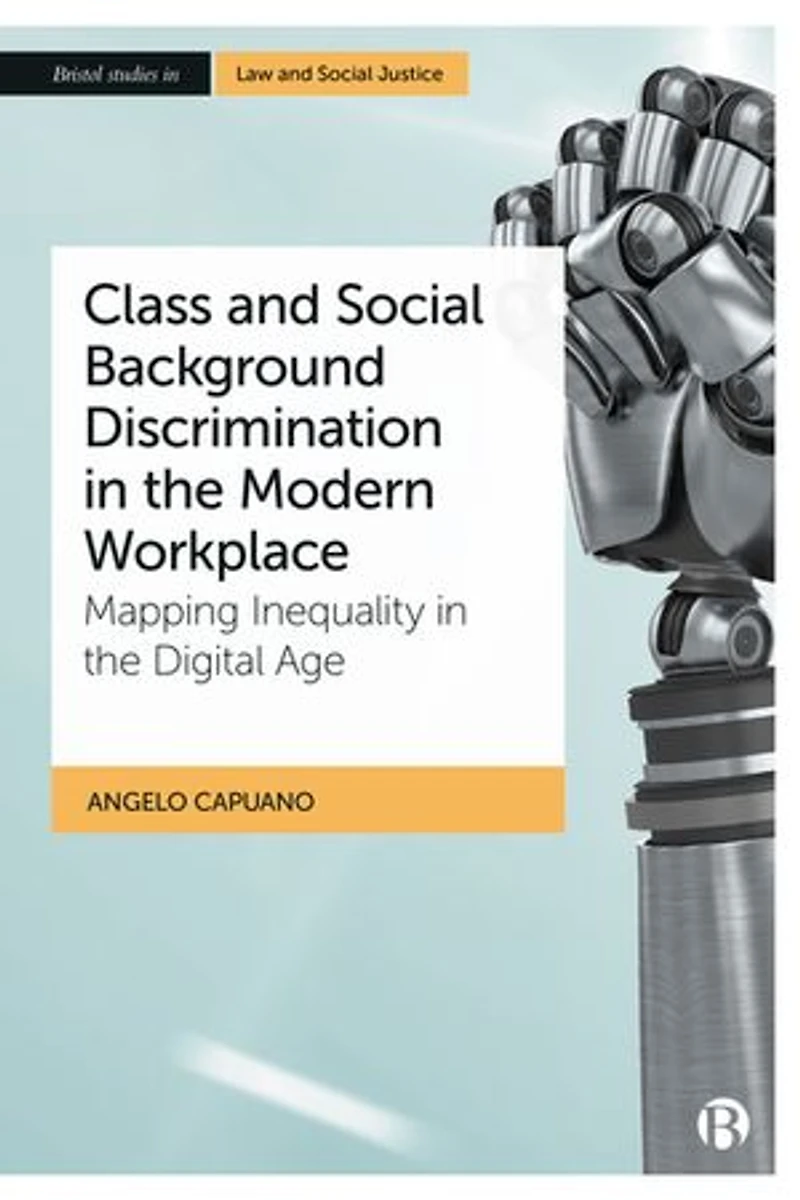
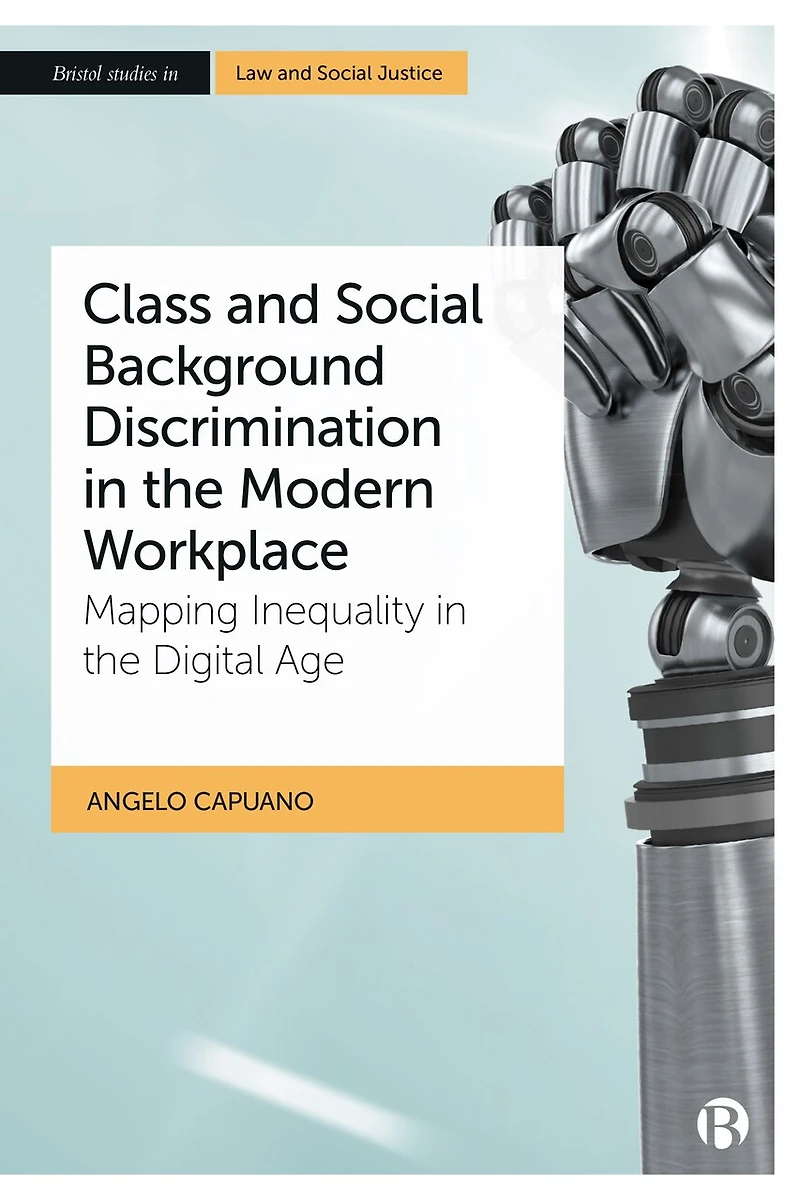
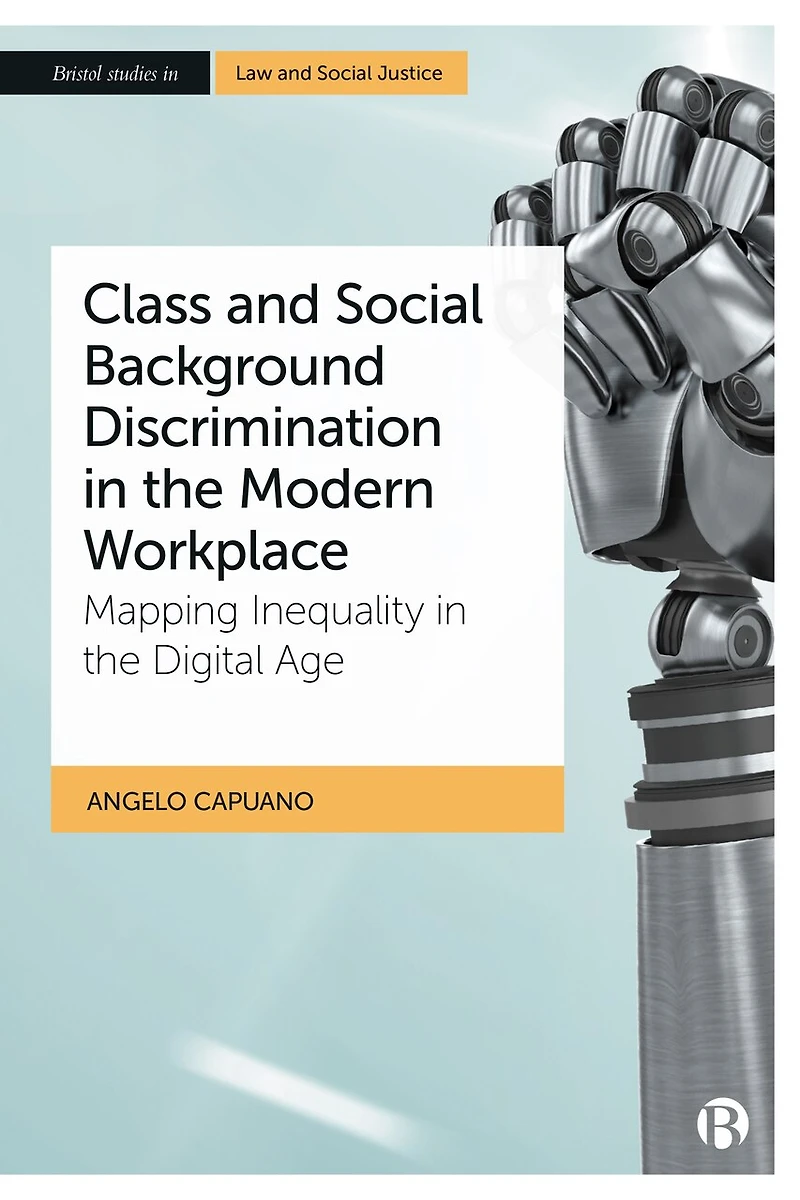
Class and Social Background Discrimination the Modern Workplace: Mapping Inequality Digital Age in Grande Prairie, AB
Current price: $43.99
Original price: $54.99
Coles
Class and Social Background Discrimination the Modern Workplace: Mapping Inequality Digital Age in Grande Prairie, AB
Current price: $43.99
Original price: $54.99
Loading Inventory...
Size: Kobo eBook
*Product information and pricing may vary - to confirm current pricing, availability, shipping, and return information please contact Coles. In the event of a pricing discrepancy, the retailer's price will apply.
This book exposes how inequalities based on class and social background arise from employment practices in the digital age. It considers instances where social media is used in recruitment to infiltrate private lives and hide job advertisements based on locality; where algorithms assess socio-economic data to filter candidates; where human interviewers are replaced by artificial intelligence with design that disadvantages users of classed language; and where already vulnerable groups become victims of digitalisation and remote work.
The author examines whether these practices create risks of discrimination based on certain protected attributes, including ‘social origin’ in international labour law and laws in Australia and South Africa, ‘social condition’ and ‘family status’ in laws within Canada, and others. The book proposes essential law reform and improvements to workplace policy.
This book exposes how inequalities based on class and social background arise from employment practices in the digital age. It considers instances where social media is used in recruitment to infiltrate private lives and hide job advertisements based on locality; where algorithms assess socio-economic data to filter candidates; where human interviewers are replaced by artificial intelligence with design that disadvantages users of classed language; and where already vulnerable groups become victims of digitalisation and remote work.
The author examines whether these practices create risks of discrimination based on certain protected attributes, including ‘social origin’ in international labour law and laws in Australia and South Africa, ‘social condition’ and ‘family status’ in laws within Canada, and others. The book proposes essential law reform and improvements to workplace policy.
You May Also Like














Find at Prairie Mall in Grande Prairie, AB
Visit at Prairie Mall in Grande Prairie, AB