


Gifting Made Simple
Give the Gift of ChoiceClick below to purchase a Prairie Mall eGift Card that can be used at participating retailers at Prairie Mall.Buy Gift CardHome
Civilizing Missions in the Twentieth Century
Coles
Loading Inventory...
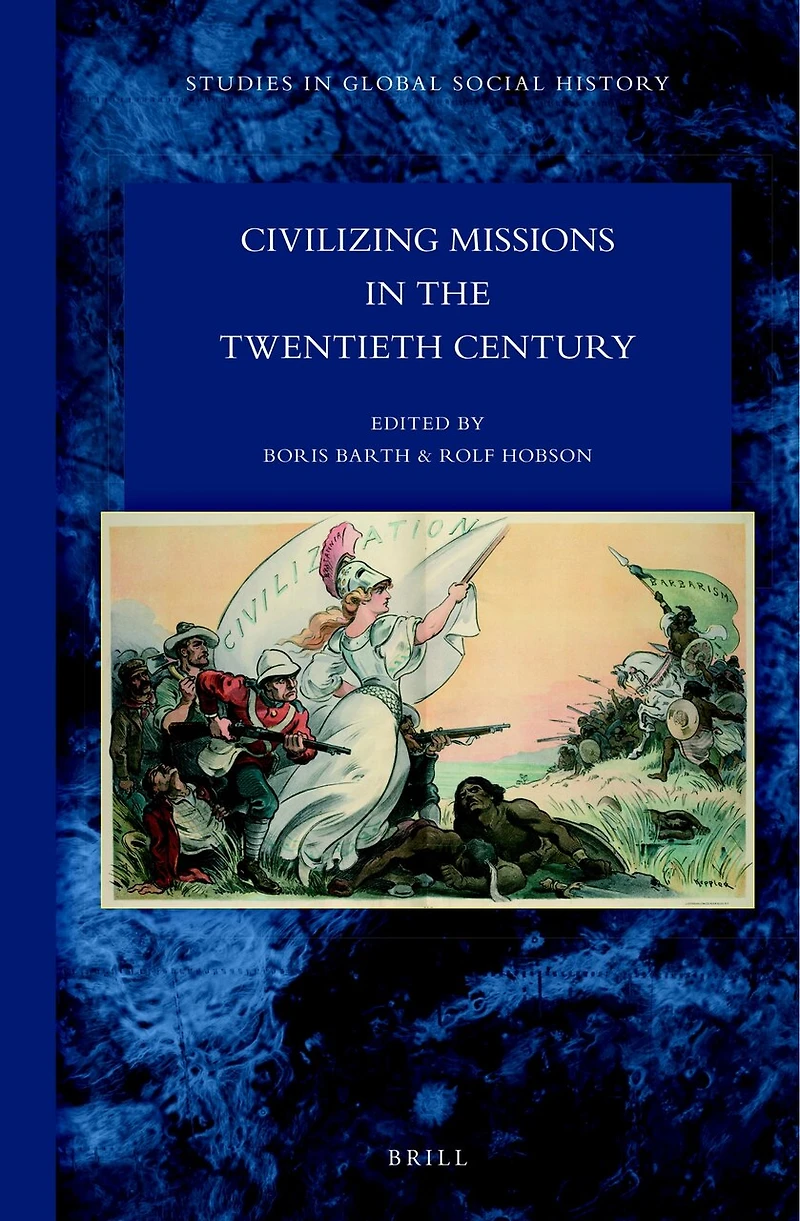
Civilizing Missions in the Twentieth Century in Grande Prairie, AB
Current price: $225.99
Coles
Civilizing Missions in the Twentieth Century in Grande Prairie, AB
Current price: $225.99
Loading Inventory...
Size: Hardcover
*Product information and pricing may vary - to confirm current pricing, availability, shipping, and return information please contact Coles. In the event of a pricing discrepancy, the retailer's price will apply.
The civilizing mission associated with nineteenth-century colonialism became harder to justify after the First World War. In an increasingly anti-imperialist culture, elites reformulated schemes for the “improvement” of “inferior” societies. Nation building, social engineering, humanitarianism, modernization or the spread of democracy were used to justify outside interventions and the top-down transformation of non-western, international or even domestic societies.
The contributions in Civilizing Missions in the Twentieth Century discuss how these justifications influenced Polish nation building, Scandinavian disarmament proposals and technocratic social policies in the interwar years. Treatment of the second half of the century covers the changing cultural context of European humanitarianism, as well as the influence of American social science on US foreign policy, more particularly democracy promotion.
Contributors are: Boris Barth, Rolf Hobson, Jürgen Osterhammel, Frank Ninkovich, Bianka Pietrow-Ennker, Karen Gram-Skjoldager, Esther Moeller, and Jost Dülffer.
The civilizing mission associated with nineteenth-century colonialism became harder to justify after the First World War. In an increasingly anti-imperialist culture, elites reformulated schemes for the “improvement” of “inferior” societies. Nation building, social engineering, humanitarianism, modernization or the spread of democracy were used to justify outside interventions and the top-down transformation of non-western, international or even domestic societies.
The contributions in Civilizing Missions in the Twentieth Century discuss how these justifications influenced Polish nation building, Scandinavian disarmament proposals and technocratic social policies in the interwar years. Treatment of the second half of the century covers the changing cultural context of European humanitarianism, as well as the influence of American social science on US foreign policy, more particularly democracy promotion.
Contributors are: Boris Barth, Rolf Hobson, Jürgen Osterhammel, Frank Ninkovich, Bianka Pietrow-Ennker, Karen Gram-Skjoldager, Esther Moeller, and Jost Dülffer.
You May Also Like














Find at Prairie Mall in Grande Prairie, AB
Visit at Prairie Mall in Grande Prairie, AB