


Gifting Made Simple
Give the Gift of ChoiceClick below to purchase a Prairie Mall eGift Card that can be used at participating retailers at Prairie Mall.Buy Gift CardHome
Civilizational Populism Democratic Nation-States
Coles
Loading Inventory...
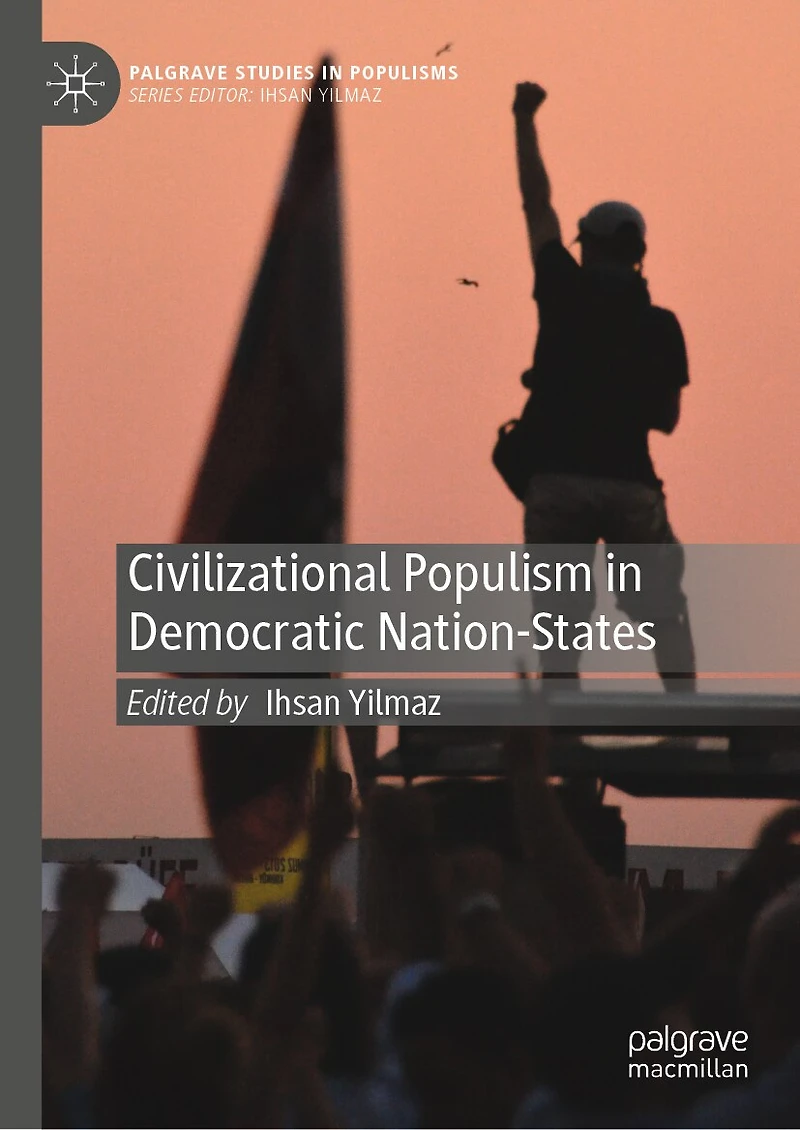
Civilizational Populism Democratic Nation-States in Grande Prairie, AB
Current price: $233.95
Coles
Civilizational Populism Democratic Nation-States in Grande Prairie, AB
Current price: $233.95
Loading Inventory...
Size: Hardcover
*Product information and pricing may vary - to confirm current pricing, availability, shipping, and return information please contact Coles. In the event of a pricing discrepancy, the retailer's price will apply.
This edited book examines the growing worldwide phenomenon of civilizational populism in democratic nation-states and brings together research that explores this in a wide variety of religious, political, and geographic contexts. In doing so, the book shows how, from Europe to India and Pakistan, and from Indonesia to the Americas, populists increasingly define national belonging through civilizational identity, claiming that the world can be divided into several religion-defined civilizations with incompatible values. The volume also discusses the complex relationship between civilizational populism, democracy and nationalism and shows how nationalists often use civilizational identity to help define ingroups and outgroups within their society.
With this, the book investigates the salience of the concept, its widespread and influential nature, and also explains how populists construct civilizational identities, and the factors behind the rise of civilizational populism.
This edited book examines the growing worldwide phenomenon of civilizational populism in democratic nation-states and brings together research that explores this in a wide variety of religious, political, and geographic contexts. In doing so, the book shows how, from Europe to India and Pakistan, and from Indonesia to the Americas, populists increasingly define national belonging through civilizational identity, claiming that the world can be divided into several religion-defined civilizations with incompatible values. The volume also discusses the complex relationship between civilizational populism, democracy and nationalism and shows how nationalists often use civilizational identity to help define ingroups and outgroups within their society.
With this, the book investigates the salience of the concept, its widespread and influential nature, and also explains how populists construct civilizational identities, and the factors behind the rise of civilizational populism.
You May Also Like













Find at Prairie Mall in Grande Prairie, AB
Visit at Prairie Mall in Grande Prairie, AB