


Gifting Made Simple
Give the Gift of ChoiceClick below to purchase a Prairie Mall eGift Card that can be used at participating retailers at Prairie Mall.Buy Gift CardHome
Civil Vengeance: Literature, Culture, and Early Modern Revenge
Coles
Loading Inventory...
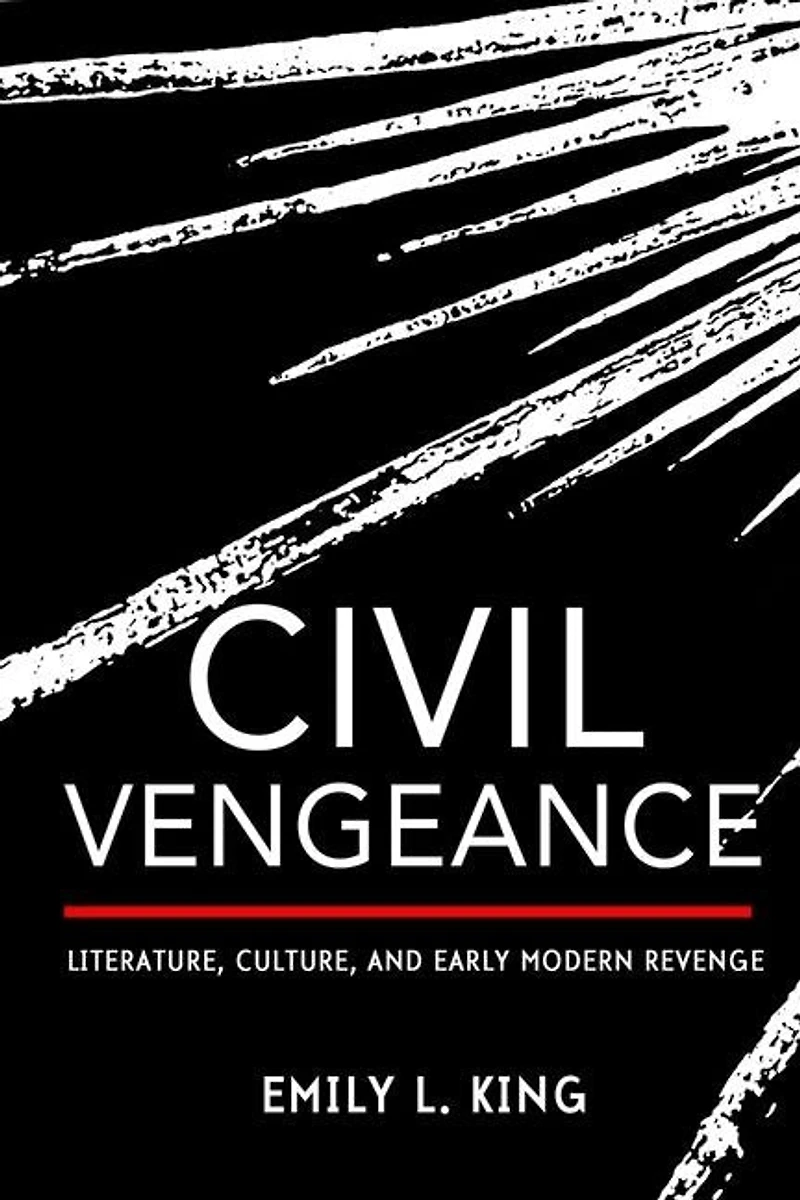
Civil Vengeance: Literature, Culture, and Early Modern Revenge in Grande Prairie, AB
Current price: $83.95
Coles
Civil Vengeance: Literature, Culture, and Early Modern Revenge in Grande Prairie, AB
Current price: $83.95
Loading Inventory...
Size: Hardcover
*Product information and pricing may vary - to confirm current pricing, availability, shipping, and return information please contact Coles. In the event of a pricing discrepancy, the retailer's price will apply.
What is revenge, and what purpose does it serve? On the early modern English stage, depictions of violence and carnage—the duel between Hamlet and Laertes that leaves nearly everyone dead or the ghastly meal of human remains served at the end of Titus Andronicus —emphasize arresting acts of revenge that upset the social order. Yet the subsequent critical focus on a narrow selection of often bloody "revenge plays" has overshadowed subtler and less spectacular modes of vengeance present in early modern culture. In Civil Vengeance , Emily L. King offers a new way of understanding early modern revenge in relation to civility and community. Rather than relegating vengeance to the social periphery, she uncovers how facets of society—church, law, and education—relied on the dynamic of retribution to augment their power such that revenge emerges as an extension of civility. To revise the lineage of revenge literature in early modern England, King rereads familiar revenge tragedies (including Marston's Antonio's Revenge and Kyd's The Spanish Tragedy ) alongside a new archive that includes conduct manuals, legal and political documents, and sermons. Shifting attention from episodic revenge to quotidian forms, Civil Vengeance provides new insights into the manner by which retaliation informs identity formation, interpersonal relationships, and the construction of the social body.
What is revenge, and what purpose does it serve? On the early modern English stage, depictions of violence and carnage—the duel between Hamlet and Laertes that leaves nearly everyone dead or the ghastly meal of human remains served at the end of Titus Andronicus —emphasize arresting acts of revenge that upset the social order. Yet the subsequent critical focus on a narrow selection of often bloody "revenge plays" has overshadowed subtler and less spectacular modes of vengeance present in early modern culture. In Civil Vengeance , Emily L. King offers a new way of understanding early modern revenge in relation to civility and community. Rather than relegating vengeance to the social periphery, she uncovers how facets of society—church, law, and education—relied on the dynamic of retribution to augment their power such that revenge emerges as an extension of civility. To revise the lineage of revenge literature in early modern England, King rereads familiar revenge tragedies (including Marston's Antonio's Revenge and Kyd's The Spanish Tragedy ) alongside a new archive that includes conduct manuals, legal and political documents, and sermons. Shifting attention from episodic revenge to quotidian forms, Civil Vengeance provides new insights into the manner by which retaliation informs identity formation, interpersonal relationships, and the construction of the social body.
You May Also Like








Find at Prairie Mall in Grande Prairie, AB
Visit at Prairie Mall in Grande Prairie, AB