


Gifting Made Simple
Give the Gift of ChoiceClick below to purchase a Prairie Mall eGift Card that can be used at participating retailers at Prairie Mall.Buy Gift CardHome
City of beasts: How animals shaped Georgian London
Coles
Loading Inventory...
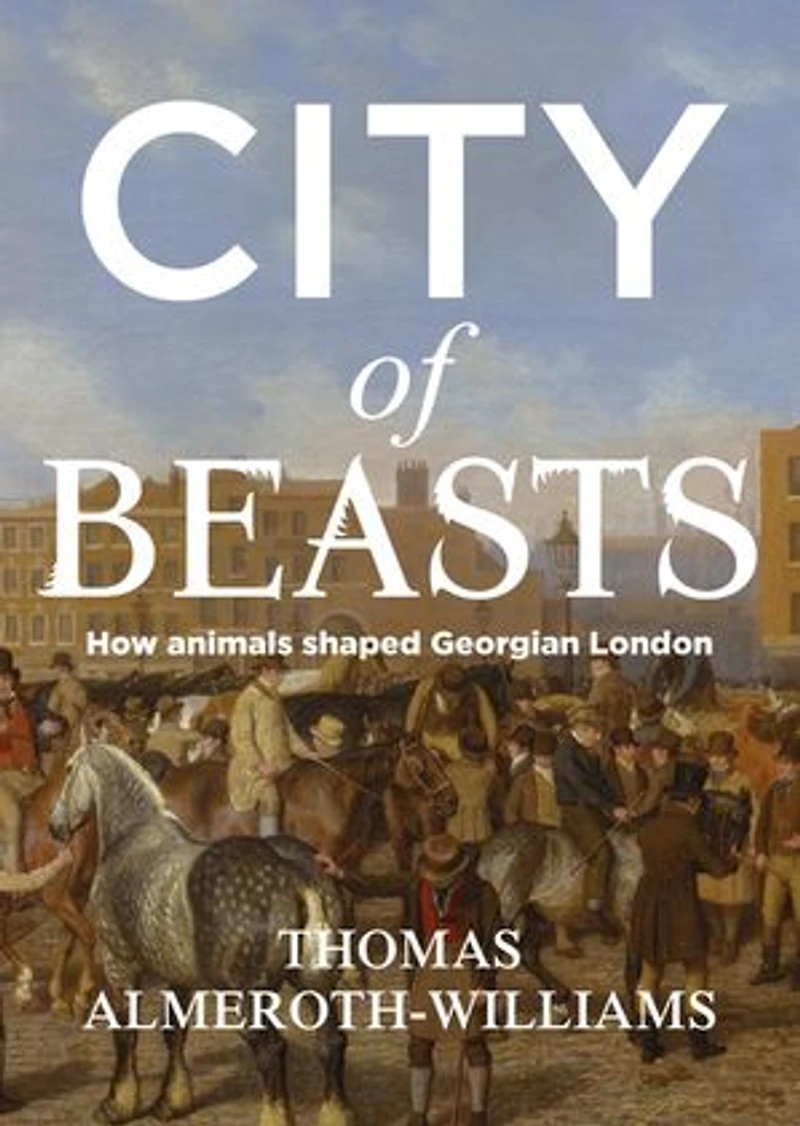
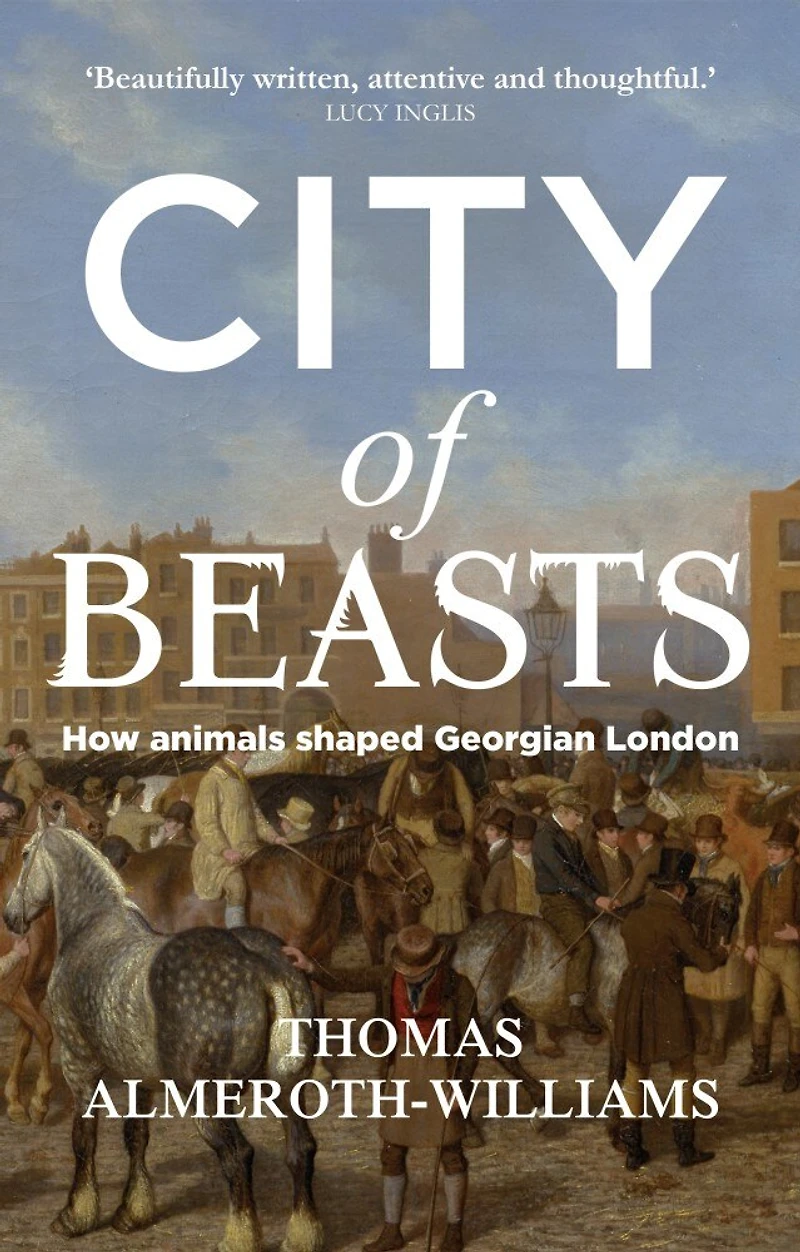
City of beasts: How animals shaped Georgian London in Grande Prairie, AB
Current price: $22.79
Original price: $28.43
Coles
City of beasts: How animals shaped Georgian London in Grande Prairie, AB
Current price: $22.79
Original price: $28.43
Loading Inventory...
Size: Kobo eBook
*Product information and pricing may vary - to confirm current pricing, availability, shipping, and return information please contact Coles. In the event of a pricing discrepancy, the retailer's price will apply.
This book explores the role of animals – horses, cattle, sheep, pigs and dogs – in shaping Georgian London. Moving away from the philosophical, fictional and humanitarian sources used by previous animal studies, it focuses on evidence of tangible, dung-bespattered interactions between real people and animals, drawn from legal, parish, commercial, newspaper and private records.This approach opens up new perspectives on unfamiliar or misunderstood metropolitan spaces, activities, social types, relationships and cultural developments. Ultimately, the book challenges traditional assumptions about the industrial, agricultural and consumer revolutions, as well as key aspects of the city’s culture, social relations and physical development. It will be stimulating reading for students and professional scholars of urban, social, economic, agricultural, industrial, architectural and environmental history.
This book explores the role of animals – horses, cattle, sheep, pigs and dogs – in shaping Georgian London. Moving away from the philosophical, fictional and humanitarian sources used by previous animal studies, it focuses on evidence of tangible, dung-bespattered interactions between real people and animals, drawn from legal, parish, commercial, newspaper and private records.This approach opens up new perspectives on unfamiliar or misunderstood metropolitan spaces, activities, social types, relationships and cultural developments. Ultimately, the book challenges traditional assumptions about the industrial, agricultural and consumer revolutions, as well as key aspects of the city’s culture, social relations and physical development. It will be stimulating reading for students and professional scholars of urban, social, economic, agricultural, industrial, architectural and environmental history.
You May Also Like










Find at Prairie Mall in Grande Prairie, AB
Visit at Prairie Mall in Grande Prairie, AB