


Gifting Made Simple
Give the Gift of ChoiceClick below to purchase a Prairie Mall eGift Card that can be used at participating retailers at Prairie Mall.Buy Gift CardHome
Church Reform
Coles
Loading Inventory...
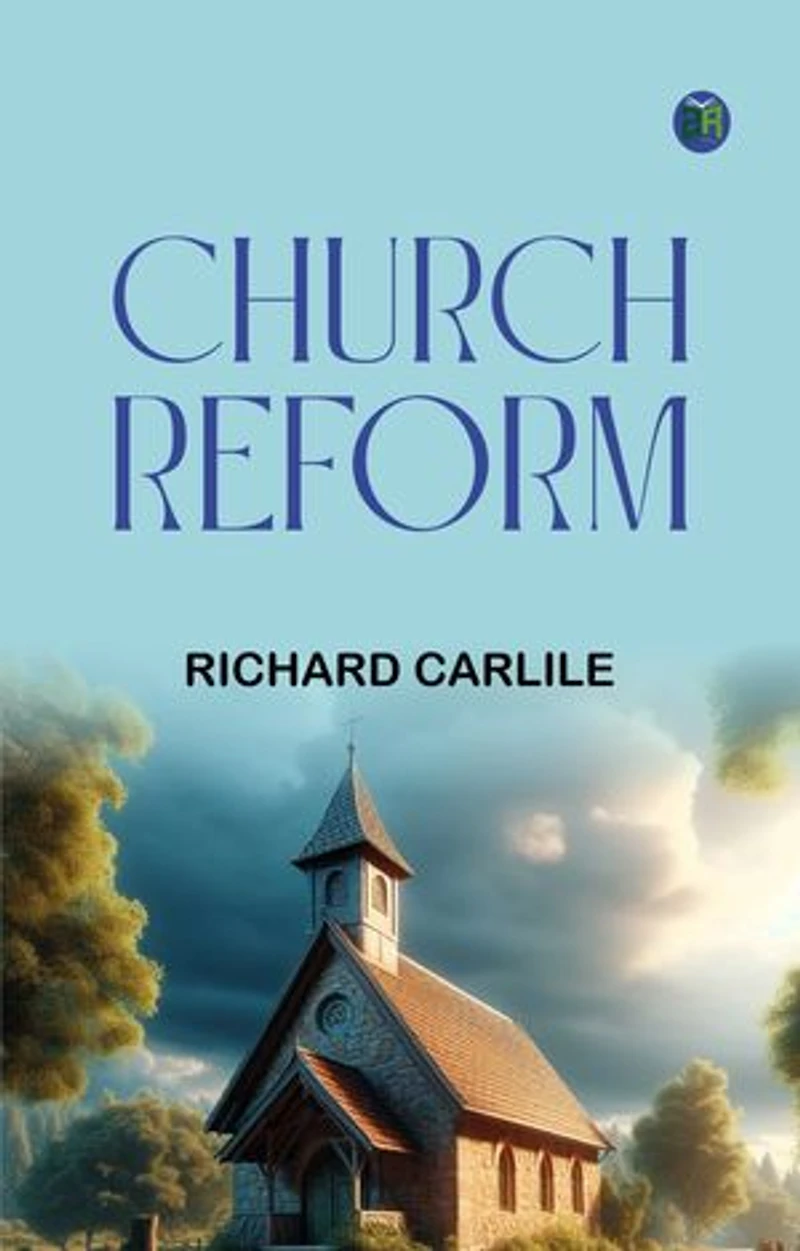
Church Reform in Grande Prairie, AB
Current price: $1.32
Coles
Church Reform in Grande Prairie, AB
Current price: $1.32
Loading Inventory...
Size: Kobo eBook
*Product information and pricing may vary - to confirm current pricing, availability, shipping, and return information please contact Coles. In the event of a pricing discrepancy, the retailer's price will apply.
In Church Reform, Carlile critiques what he perceives as the hypocrisy and corruption within the Church of England. He argues that the Church perpetuates ignorance and oppression, and that its hierarchical structure benefits the wealthy clergy at the expense of the common people. Carlile advocates for the removal of church authority from civil governance, urging reforms that would abolish the Church’s privileged status and dismantle its control over education, morality, and law.Carlile’s book also reflects the broader social and political currents of the time, particularly the push for democratic reforms in Britain. He saw the established church as a barrier to progress and believed that by weakening its power, society could advance towards greater justice, equality, and intellectual freedom. Church Reform was part of Carlile's larger body of work aimed at promoting rationalism and challenging religious orthodoxy, making him a key figure in the history of British secularism and reform movements.
In Church Reform, Carlile critiques what he perceives as the hypocrisy and corruption within the Church of England. He argues that the Church perpetuates ignorance and oppression, and that its hierarchical structure benefits the wealthy clergy at the expense of the common people. Carlile advocates for the removal of church authority from civil governance, urging reforms that would abolish the Church’s privileged status and dismantle its control over education, morality, and law.Carlile’s book also reflects the broader social and political currents of the time, particularly the push for democratic reforms in Britain. He saw the established church as a barrier to progress and believed that by weakening its power, society could advance towards greater justice, equality, and intellectual freedom. Church Reform was part of Carlile's larger body of work aimed at promoting rationalism and challenging religious orthodoxy, making him a key figure in the history of British secularism and reform movements.
You May Also Like











Find at Prairie Mall in Grande Prairie, AB
Visit at Prairie Mall in Grande Prairie, AB