


Gifting Made Simple
Give the Gift of ChoiceClick below to purchase a Prairie Mall eGift Card that can be used at participating retailers at Prairie Mall.Buy Gift CardHome
Chörten In Nepal: Architecture And Buddhist Votive Practice In The Himalaya
Coles
Loading Inventory...
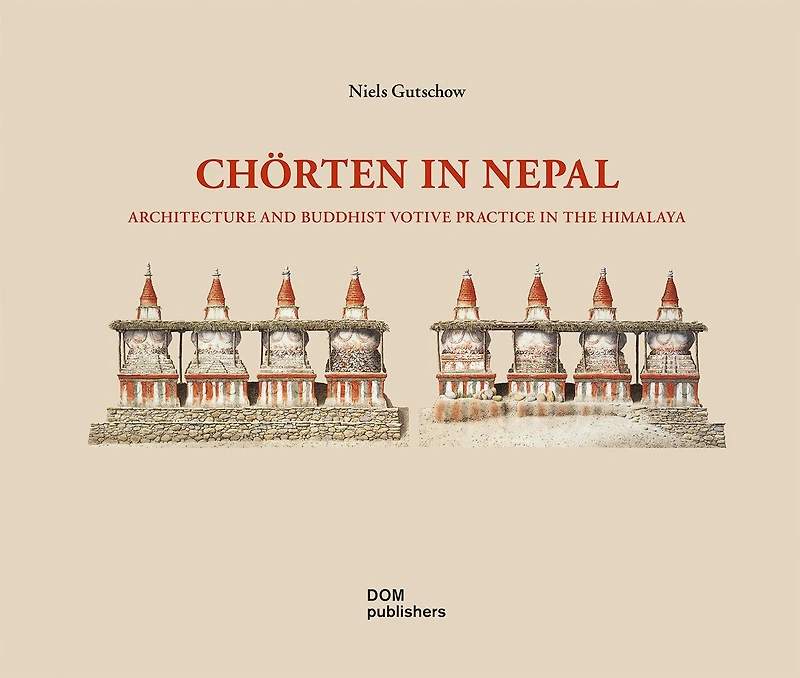
Chörten In Nepal: Architecture And Buddhist Votive Practice In The Himalaya in Grande Prairie, AB
Current price: $192.99
Coles
Chörten In Nepal: Architecture And Buddhist Votive Practice In The Himalaya in Grande Prairie, AB
Current price: $192.99
Loading Inventory...
Size: Hardcover
*Product information and pricing may vary - to confirm current pricing, availability, shipping, and return information please contact Coles. In the event of a pricing discrepancy, the retailer's price will apply.
For more than two millennia Buddhism shaped the cultures of Central, South, Southeast, and East Asia. Each territory had its own peculiar way of developing representations of the Buddha, the Bodhisattvas, and a variety of guardian deities and saints.
Of particular importance is the representation of the Buddha and his teachings in an iconic form in the shape of an impassable building. Called Stupa in Sanskrit, and Chörten in Tibetan, these structures not only characterize the urban space of the Newars in the Kathmandu Valley. They also mark the access to Tibetan villages in northern Nepal, line the trails across high passes, and stud topographically prominent places. By their thousands, they transform wilderness into a landscape that promises shelter, protection, and well-being.
584 maps, architectural drawings, and photographs, produced from 1970 to 2008, document the rich cultural heritage of the Tibetan and Tamang enclaves along the range of the high Himalaya.
For more than two millennia Buddhism shaped the cultures of Central, South, Southeast, and East Asia. Each territory had its own peculiar way of developing representations of the Buddha, the Bodhisattvas, and a variety of guardian deities and saints.
Of particular importance is the representation of the Buddha and his teachings in an iconic form in the shape of an impassable building. Called Stupa in Sanskrit, and Chörten in Tibetan, these structures not only characterize the urban space of the Newars in the Kathmandu Valley. They also mark the access to Tibetan villages in northern Nepal, line the trails across high passes, and stud topographically prominent places. By their thousands, they transform wilderness into a landscape that promises shelter, protection, and well-being.
584 maps, architectural drawings, and photographs, produced from 1970 to 2008, document the rich cultural heritage of the Tibetan and Tamang enclaves along the range of the high Himalaya.
You May Also Like














Find at Prairie Mall in Grande Prairie, AB
Visit at Prairie Mall in Grande Prairie, AB