


Gifting Made Simple
Give the Gift of ChoiceClick below to purchase a Prairie Mall eGift Card that can be used at participating retailers at Prairie Mall.Buy Gift CardHome
Choosing Family: A Memoir Of Queer Motherhood And Black Resistance
Coles
Loading Inventory...
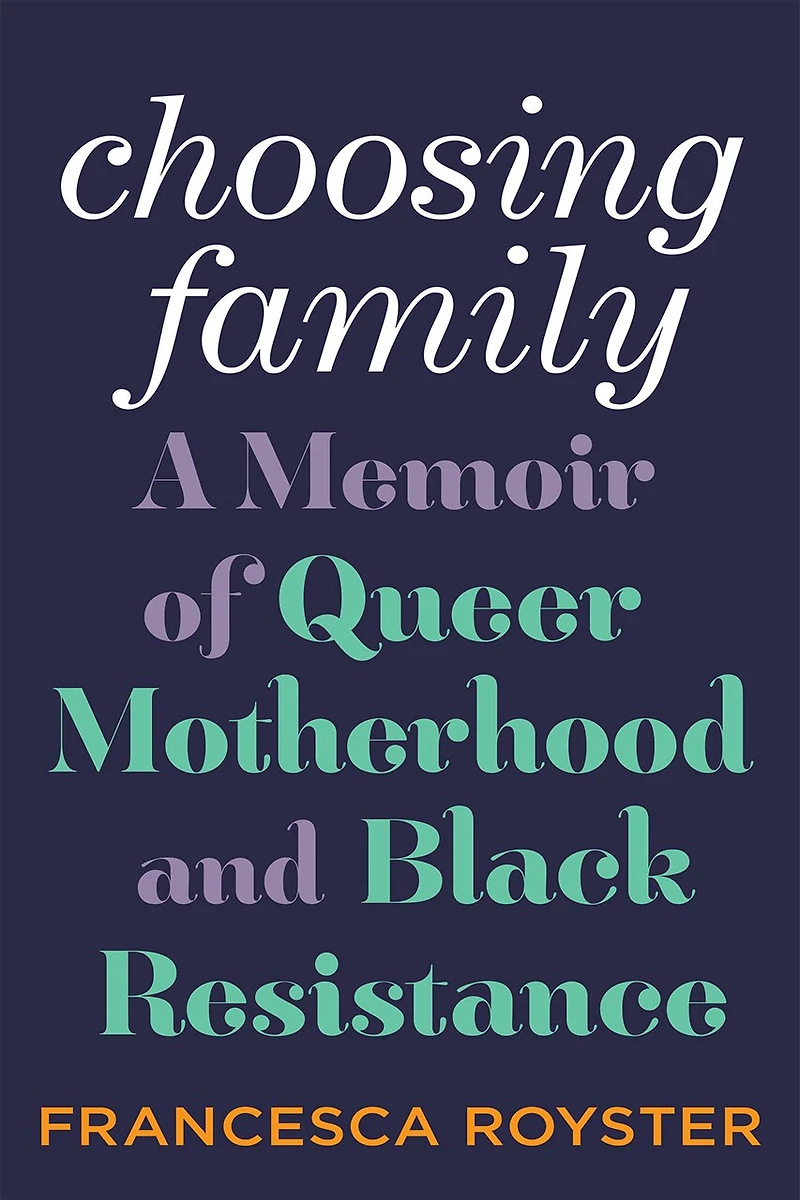
Choosing Family: A Memoir Of Queer Motherhood And Black Resistance in Grande Prairie, AB
Current price: $33.00
Coles
Choosing Family: A Memoir Of Queer Motherhood And Black Resistance in Grande Prairie, AB
Current price: $33.00
Loading Inventory...
Size: Hardcover
*Product information and pricing may vary - to confirm current pricing, availability, shipping, and return information please contact Coles. In the event of a pricing discrepancy, the retailer's price will apply.
Choosing Family: A Memoir of Queer Motherhood and Black Resistance is a brilliant literary memoir of chosen family and chosen heritage, told against the backdrop of Chicago’s North and South Sides.
As a multiracial household in Chicago’s North Side community of Rogers Park, race is at the core of Francesca T. Royster and her family’s world, influencing everyday acts of parenting and the conception of what family truly means. Like Maggie Nelson’s The Argonauts , this lyrical and affecting memoir focuses on a unit of three: the author; her wife, Annie, who’s white; and Cecilia, the Black daughter they adopt as a couple in their 40s and 50s. Choosing Family chronicles this journey to motherhood while examining the messiness and complexity of adoption and parenthood from a Black, queer, and feminist perspective. Royster also explores her memories of the matriarchs of her childhood and the homes these women created in Chicago’s South Side—itself a dynamic character in the memoir—where “family” was fluid, inclusive, and not necessarily defined by marriage or other socially recognized contracts.
Calling upon the work of some of her favorite queer thinkers, including José Esteban Muñoz and Audre Lorde, Royster interweaves her experiences and memories with queer and gender theory to argue that many Black families, certainly her own, have historically had a “queer” attitude toward family: configurations that sit outside the white normative experience and are the richer for their flexibility and generosity of spirit. A powerful, genre-bending memoir of family, identity, and acceptance, Choosing Family , ultimately, is about joy—about claiming the joy that society did not intend to assign to you, or to those like you.
Choosing Family: A Memoir of Queer Motherhood and Black Resistance is a brilliant literary memoir of chosen family and chosen heritage, told against the backdrop of Chicago’s North and South Sides.
As a multiracial household in Chicago’s North Side community of Rogers Park, race is at the core of Francesca T. Royster and her family’s world, influencing everyday acts of parenting and the conception of what family truly means. Like Maggie Nelson’s The Argonauts , this lyrical and affecting memoir focuses on a unit of three: the author; her wife, Annie, who’s white; and Cecilia, the Black daughter they adopt as a couple in their 40s and 50s. Choosing Family chronicles this journey to motherhood while examining the messiness and complexity of adoption and parenthood from a Black, queer, and feminist perspective. Royster also explores her memories of the matriarchs of her childhood and the homes these women created in Chicago’s South Side—itself a dynamic character in the memoir—where “family” was fluid, inclusive, and not necessarily defined by marriage or other socially recognized contracts.
Calling upon the work of some of her favorite queer thinkers, including José Esteban Muñoz and Audre Lorde, Royster interweaves her experiences and memories with queer and gender theory to argue that many Black families, certainly her own, have historically had a “queer” attitude toward family: configurations that sit outside the white normative experience and are the richer for their flexibility and generosity of spirit. A powerful, genre-bending memoir of family, identity, and acceptance, Choosing Family , ultimately, is about joy—about claiming the joy that society did not intend to assign to you, or to those like you.
You May Also Like
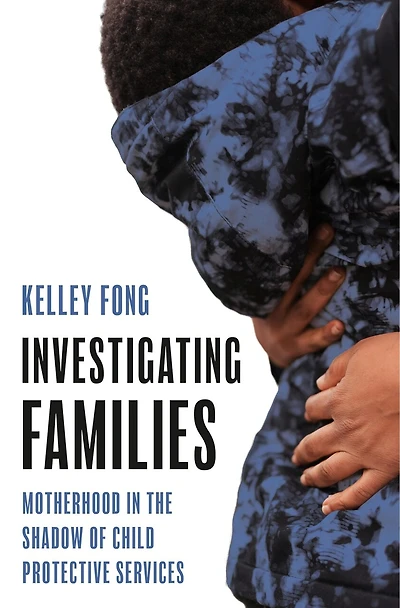








Find at Prairie Mall in Grande Prairie, AB
Visit at Prairie Mall in Grande Prairie, AB