


Gifting Made Simple
Give the Gift of ChoiceClick below to purchase a Prairie Mall eGift Card that can be used at participating retailers at Prairie Mall.Buy Gift CardHome
Chinese Soldier vs Japanese Soldier: China 1937–38
Coles
Loading Inventory...
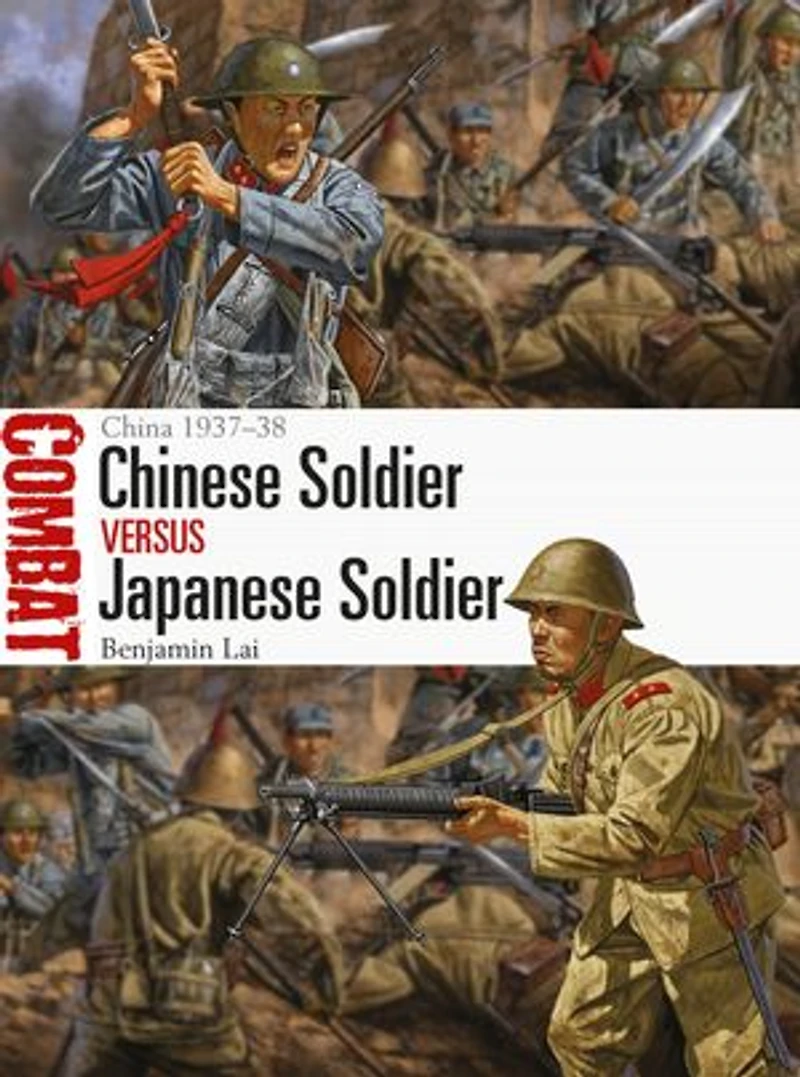
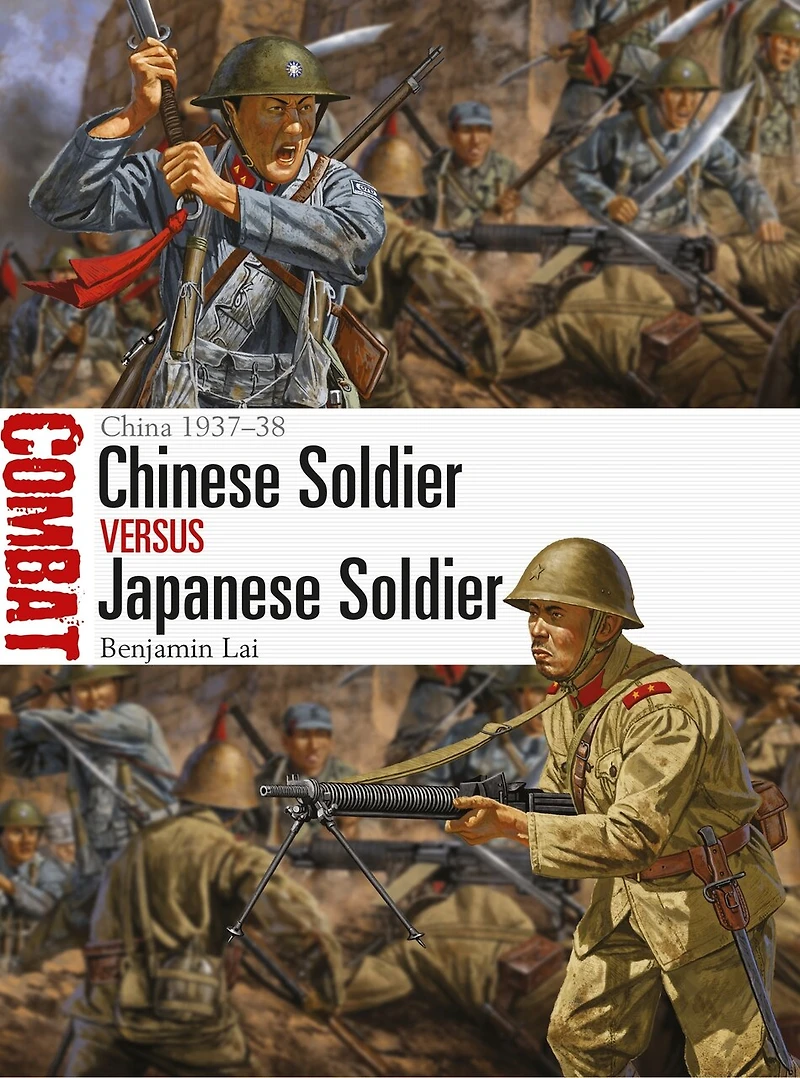
Chinese Soldier vs Japanese Soldier: China 1937–38 in Grande Prairie, AB
Current price: $19.89
Original price: $24.80
Coles
Chinese Soldier vs Japanese Soldier: China 1937–38 in Grande Prairie, AB
Current price: $19.89
Original price: $24.80
Loading Inventory...
Size: Kobo eBook
*Product information and pricing may vary - to confirm current pricing, availability, shipping, and return information please contact Coles. In the event of a pricing discrepancy, the retailer's price will apply.
In July 1937, the Marco Polo Bridge Incident sparked a bloody conflict between Chinese and Japanese forces that would rage across China and beyond for more than eight years.
The two sides' forces brought very different strengths and limitations to the conflict. In 1937 China was divided into factions, each controlled by warlords with independent forces, and there was no unified Chinese army. In order to fight the Japanese Chiang Kai-shek, the nominal leader of Nationalist China, was compelled to do deals with these regional powers. For their part, the Japanese employed ground forces broadly comparable to those fielded by Western powers, including modern artillery and tanks. Featuring specially commissioned artwork and drawing upon an array of sources, this study investigates the origins, training, doctrine, and armament of the Chinese and Japanese forces who fought in the opening stages of the Second Sino-Japanese War.
In July 1937, the Marco Polo Bridge Incident sparked a bloody conflict between Chinese and Japanese forces that would rage across China and beyond for more than eight years.
The two sides' forces brought very different strengths and limitations to the conflict. In 1937 China was divided into factions, each controlled by warlords with independent forces, and there was no unified Chinese army. In order to fight the Japanese Chiang Kai-shek, the nominal leader of Nationalist China, was compelled to do deals with these regional powers. For their part, the Japanese employed ground forces broadly comparable to those fielded by Western powers, including modern artillery and tanks. Featuring specially commissioned artwork and drawing upon an array of sources, this study investigates the origins, training, doctrine, and armament of the Chinese and Japanese forces who fought in the opening stages of the Second Sino-Japanese War.
You May Also Like








Find at Prairie Mall in Grande Prairie, AB
Visit at Prairie Mall in Grande Prairie, AB