


Gifting Made Simple
Give the Gift of ChoiceClick below to purchase a Prairie Mall eGift Card that can be used at participating retailers at Prairie Mall.Buy Gift CardHome
Chinese Civil Adjudications II: The Constitutive Requirements
Coles
Loading Inventory...
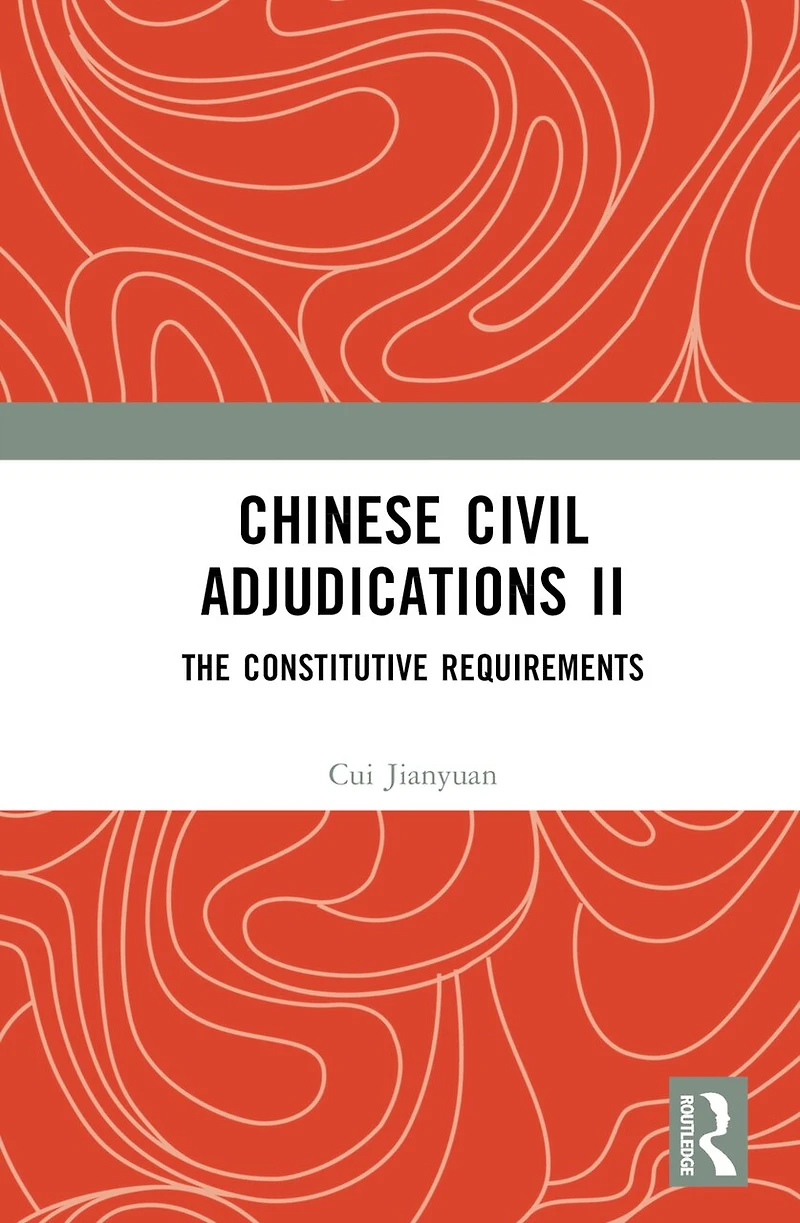

Chinese Civil Adjudications II: The Constitutive Requirements in Grande Prairie, AB
Current price: $281.50
Coles
Chinese Civil Adjudications II: The Constitutive Requirements in Grande Prairie, AB
Current price: $281.50
Loading Inventory...
Size: Hardcover
*Product information and pricing may vary - to confirm current pricing, availability, shipping, and return information please contact Coles. In the event of a pricing discrepancy, the retailer's price will apply.
As the second volume of a three-volume set that critically reviews typical civil cases in China, this book focuses on the importance of constitutive requirements of legal rules. A legal rule consists of constitutive requirements and legal effects. The constitutive requirements should trigger specific legal effects and not lead to unintended consequences. If they do not, the application of a legal rule may not produce the desired result. Any change in the constitutive requirements should result in a corresponding change in the legal effects. A mismatch between the two can lead to unfairness and injustice. In the nine cases discussed in this volume, these principles were either seriously overlooked or given insufficient attention, with various negative consequences. The book will appeal to scholars and students interested in China's civil litigation, civil law system and judicial reform, and comparative law.
As the second volume of a three-volume set that critically reviews typical civil cases in China, this book focuses on the importance of constitutive requirements of legal rules. A legal rule consists of constitutive requirements and legal effects. The constitutive requirements should trigger specific legal effects and not lead to unintended consequences. If they do not, the application of a legal rule may not produce the desired result. Any change in the constitutive requirements should result in a corresponding change in the legal effects. A mismatch between the two can lead to unfairness and injustice. In the nine cases discussed in this volume, these principles were either seriously overlooked or given insufficient attention, with various negative consequences. The book will appeal to scholars and students interested in China's civil litigation, civil law system and judicial reform, and comparative law.
You May Also Like











Find at Prairie Mall in Grande Prairie, AB
Visit at Prairie Mall in Grande Prairie, AB