


Gifting Made Simple
Give the Gift of ChoiceClick below to purchase a Prairie Mall eGift Card that can be used at participating retailers at Prairie Mall.Buy Gift CardHome
China's One Belt Road Initiative and Private International Law
Coles
Loading Inventory...
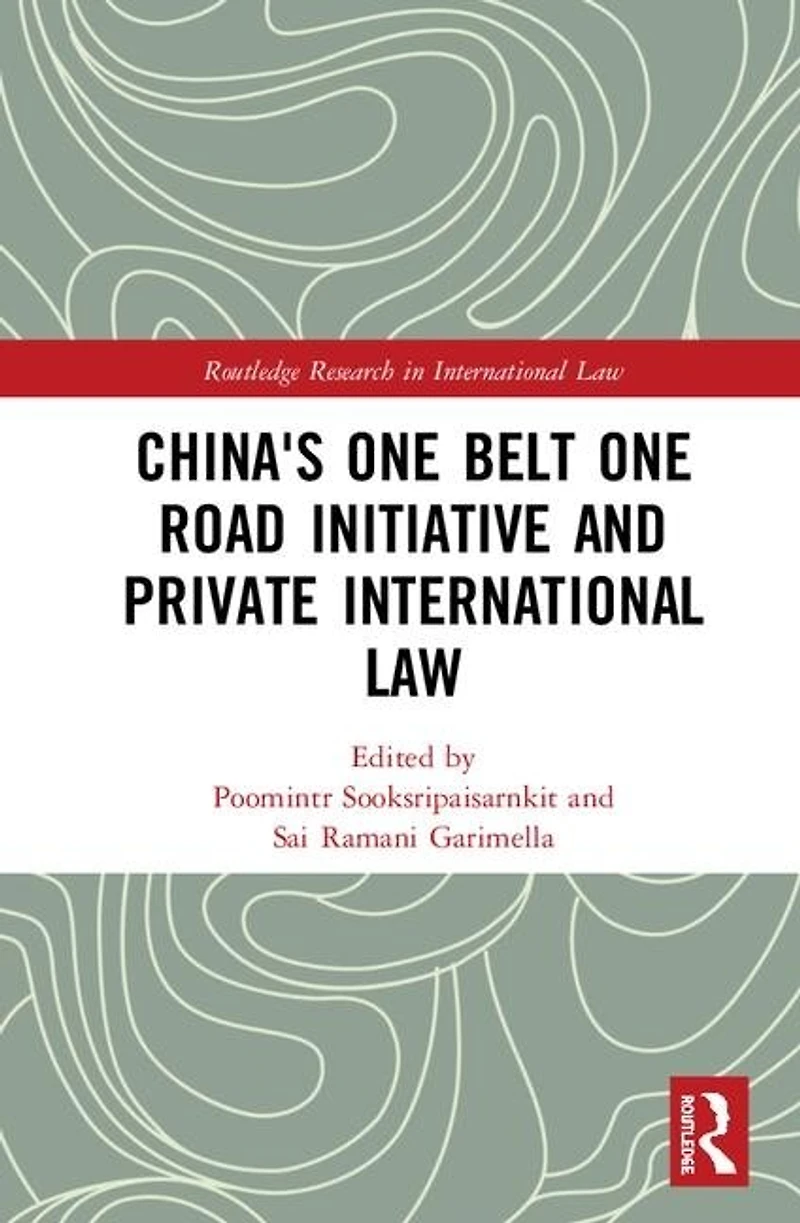
China's One Belt Road Initiative and Private International Law in Grande Prairie, AB
Current price: $296.50
Coles
China's One Belt Road Initiative and Private International Law in Grande Prairie, AB
Current price: $296.50
Loading Inventory...
Size: Hardcover
*Product information and pricing may vary - to confirm current pricing, availability, shipping, and return information please contact Coles. In the event of a pricing discrepancy, the retailer's price will apply.
The concept of the One Belt One Road initiative (OBOR) was raised by the President of the People's Republic of China in October 2013. The OBOR comprises the 'Silk Road Economic Belt' and the '21st Century Maritime Silk Road', encompassing over 60 countries from Asia to Europe via Southeast Asia, South Asia, Central Asia, West Asia, and the Middle East. The overall objective of the OBOR is to encourage the economic prosperity of the countries along the Belt and Road and regional economic cooperation, encourage mutual learning between different civilizations, and promoting peace and development. However, countries along the Belt and Road routes of the OBOR project have diverse laws and legal systems. It is not difficult to envisage problems relating to harmonisation of laws and rules in trade between countries along the OBOR routes or otherwise. These problems can potentially cut through the core of the very objective of the OBOR itself. Integration in China's One Belt One Road Initiative explores possible challenges to the success of the OBOR arising from the situational interface of diversity of laws, with the focus primarily on issues associated with private international law. It shows the latest state of knowledge on the topic and will be of interest to researchers, academics, policymakers, and students interested in private international law issues pertaining to the OBOR routes as well as private international law in general, Asian studies, and the politics of international trade.
The concept of the One Belt One Road initiative (OBOR) was raised by the President of the People's Republic of China in October 2013. The OBOR comprises the 'Silk Road Economic Belt' and the '21st Century Maritime Silk Road', encompassing over 60 countries from Asia to Europe via Southeast Asia, South Asia, Central Asia, West Asia, and the Middle East. The overall objective of the OBOR is to encourage the economic prosperity of the countries along the Belt and Road and regional economic cooperation, encourage mutual learning between different civilizations, and promoting peace and development. However, countries along the Belt and Road routes of the OBOR project have diverse laws and legal systems. It is not difficult to envisage problems relating to harmonisation of laws and rules in trade between countries along the OBOR routes or otherwise. These problems can potentially cut through the core of the very objective of the OBOR itself. Integration in China's One Belt One Road Initiative explores possible challenges to the success of the OBOR arising from the situational interface of diversity of laws, with the focus primarily on issues associated with private international law. It shows the latest state of knowledge on the topic and will be of interest to researchers, academics, policymakers, and students interested in private international law issues pertaining to the OBOR routes as well as private international law in general, Asian studies, and the politics of international trade.
You May Also Like









Find at Prairie Mall in Grande Prairie, AB
Visit at Prairie Mall in Grande Prairie, AB