


Gifting Made Simple
Give the Gift of ChoiceClick below to purchase a Prairie Mall eGift Card that can be used at participating retailers at Prairie Mall.Buy Gift CardHome
China-US Rivalry and Regional Reordering Latin America the Caribbean
Coles
Loading Inventory...
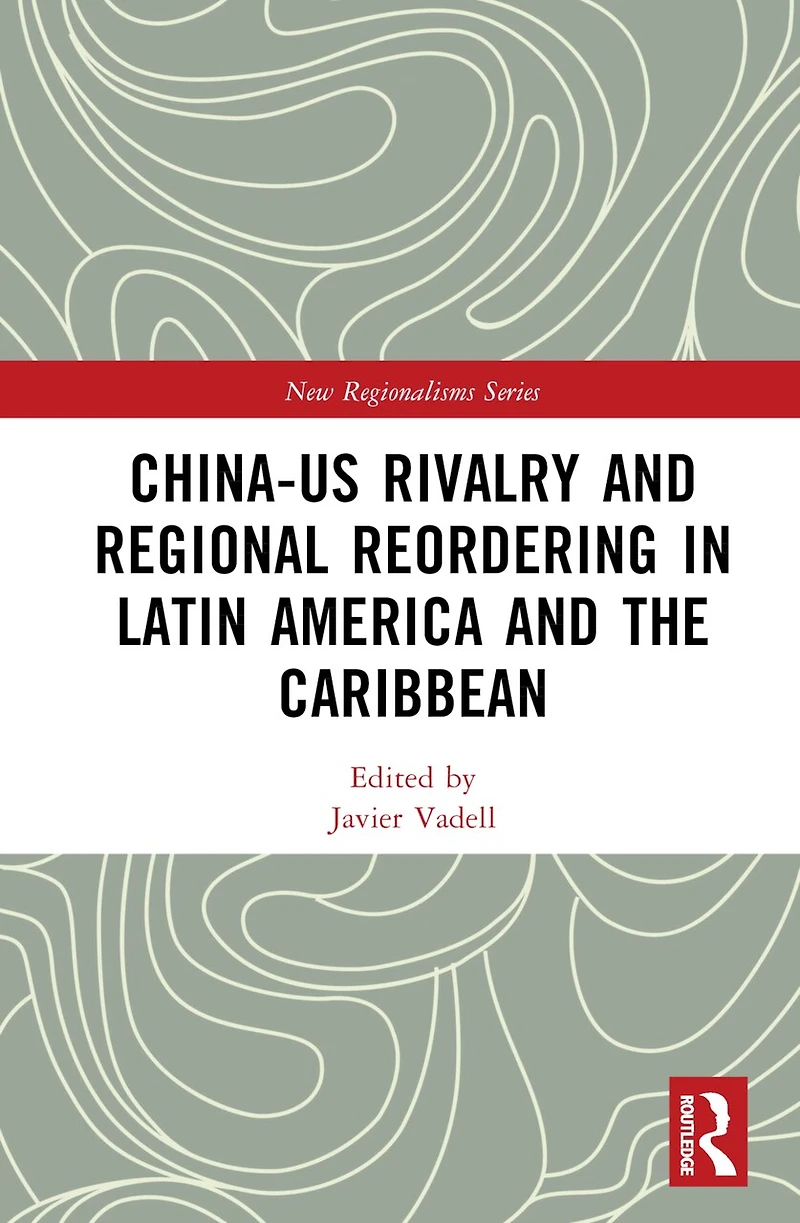
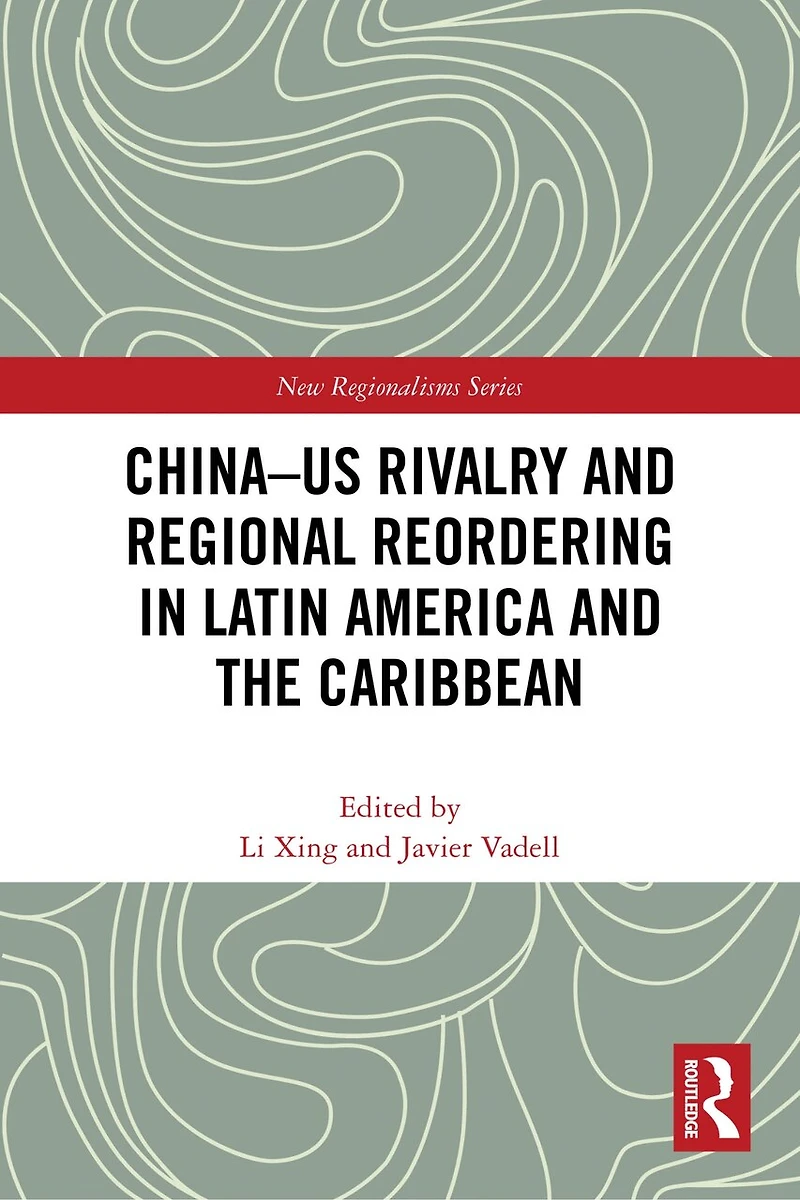
China-US Rivalry and Regional Reordering Latin America the Caribbean in Grande Prairie, AB
Current price: $296.50
Coles
China-US Rivalry and Regional Reordering Latin America the Caribbean in Grande Prairie, AB
Current price: $296.50
Loading Inventory...
Size: Hardcover
*Product information and pricing may vary - to confirm current pricing, availability, shipping, and return information please contact Coles. In the event of a pricing discrepancy, the retailer's price will apply.
This book provides a comprehensive, conceptual and analytical framework for understanding the reordering process in the Latin American and Caribbean (LAC) region, driven and shaped by China-US rivalry. It demonstrates the differences between China-US, China-LAC and US-LAC relations and questions to what extent the LAC region can be considered a unified actor. Exploring broad perspectives such as global governance, international institutions, trade, security policy, climate change, multilateralism and regional and global peace and stability, the contributors also consider China's Belt and Road Initiative, the Community of Latin American and Caribbean States (CELAC) and "minilateral" cooperation, sustainable development and business and the role of soft power, such as tourism and education in China-LAC relations. This timely and important contribution analyzing the changing regional order in the LAC region brought about by China's global rise and increasing hegemonic competition with the US will appeal to scholars and student of international relations, international political economy, and security studies.
This book provides a comprehensive, conceptual and analytical framework for understanding the reordering process in the Latin American and Caribbean (LAC) region, driven and shaped by China-US rivalry. It demonstrates the differences between China-US, China-LAC and US-LAC relations and questions to what extent the LAC region can be considered a unified actor. Exploring broad perspectives such as global governance, international institutions, trade, security policy, climate change, multilateralism and regional and global peace and stability, the contributors also consider China's Belt and Road Initiative, the Community of Latin American and Caribbean States (CELAC) and "minilateral" cooperation, sustainable development and business and the role of soft power, such as tourism and education in China-LAC relations. This timely and important contribution analyzing the changing regional order in the LAC region brought about by China's global rise and increasing hegemonic competition with the US will appeal to scholars and student of international relations, international political economy, and security studies.
You May Also Like









Find at Prairie Mall in Grande Prairie, AB
Visit at Prairie Mall in Grande Prairie, AB