


Gifting Made Simple
Give the Gift of ChoiceClick below to purchase a Prairie Mall eGift Card that can be used at participating retailers at Prairie Mall.Buy Gift CardHome
Chemical/Instrumental Approaches to the Evaluation of Wine Chemistry
Coles
Loading Inventory...
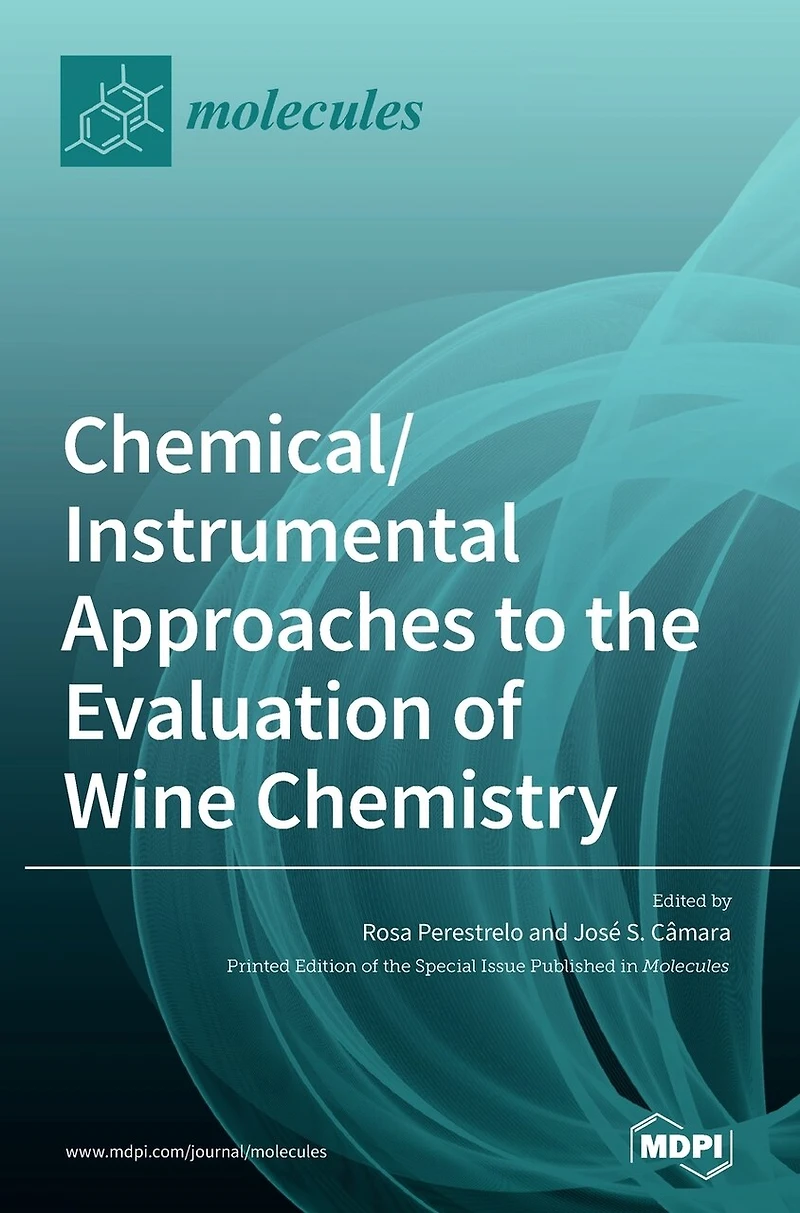
Chemical/Instrumental Approaches to the Evaluation of Wine Chemistry in Grande Prairie, AB
Current price: $61.20
Coles
Chemical/Instrumental Approaches to the Evaluation of Wine Chemistry in Grande Prairie, AB
Current price: $61.20
Loading Inventory...
Size: Hardcover
*Product information and pricing may vary - to confirm current pricing, availability, shipping, and return information please contact Coles. In the event of a pricing discrepancy, the retailer's price will apply.
Wine is a widely consumed beverage due to its unique and pleasant sensory properties. Wine is composed of more than one thousand chemical compounds (e.g., alcohols, esters, acids, terpenoids, phenolic compounds, flavonoids, anthocyanins, minerals, and vitamins, among others) resulting from several chemical and biochemical processes. Microextraction techniques in tandem with high-resolution analytical instruments have been applied by wine researchers to expand the knowledge of wine's chemical composition with the purposes of improving wine quality, supporting winemaker decisions related to the winemaking process, and guaranteeing the authenticity of wine. As a result, we proposed "Chemical/Instrumental Approaches to the Evaluation of Wine Chemistry" as a topic for a Special Issue in Molecules. This Special Issue aims to provide an update on state-of-the-art extraction procedures (e.g., solid-phase microextraction (SPME)) and analytical tools (e.g., nuclear magnetic resonance (NMR), inductively coupled plasma mass spectrometry (ICP-MS), ultra-performance liquid chromatography tandem mass spectrometry (UPLC-MS/MS)), emphasizing their use as suitable platforms for the establishment of the chemical composition of wine (volatomic profile, antioxidants, phenolic pattern, and elemental composition, among others). Information related to wine sensorial properties, contaminants, authenticity, and chemometric tools used for data treatment are described in this Issue.
Wine is a widely consumed beverage due to its unique and pleasant sensory properties. Wine is composed of more than one thousand chemical compounds (e.g., alcohols, esters, acids, terpenoids, phenolic compounds, flavonoids, anthocyanins, minerals, and vitamins, among others) resulting from several chemical and biochemical processes. Microextraction techniques in tandem with high-resolution analytical instruments have been applied by wine researchers to expand the knowledge of wine's chemical composition with the purposes of improving wine quality, supporting winemaker decisions related to the winemaking process, and guaranteeing the authenticity of wine. As a result, we proposed "Chemical/Instrumental Approaches to the Evaluation of Wine Chemistry" as a topic for a Special Issue in Molecules. This Special Issue aims to provide an update on state-of-the-art extraction procedures (e.g., solid-phase microextraction (SPME)) and analytical tools (e.g., nuclear magnetic resonance (NMR), inductively coupled plasma mass spectrometry (ICP-MS), ultra-performance liquid chromatography tandem mass spectrometry (UPLC-MS/MS)), emphasizing their use as suitable platforms for the establishment of the chemical composition of wine (volatomic profile, antioxidants, phenolic pattern, and elemental composition, among others). Information related to wine sensorial properties, contaminants, authenticity, and chemometric tools used for data treatment are described in this Issue.
You May Also Like











Find at Prairie Mall in Grande Prairie, AB
Visit at Prairie Mall in Grande Prairie, AB