


Gifting Made Simple
Give the Gift of ChoiceClick below to purchase a Prairie Mall eGift Card that can be used at participating retailers at Prairie Mall.Buy Gift CardHome
Charles Dickens' Children Stories
Coles
Loading Inventory...
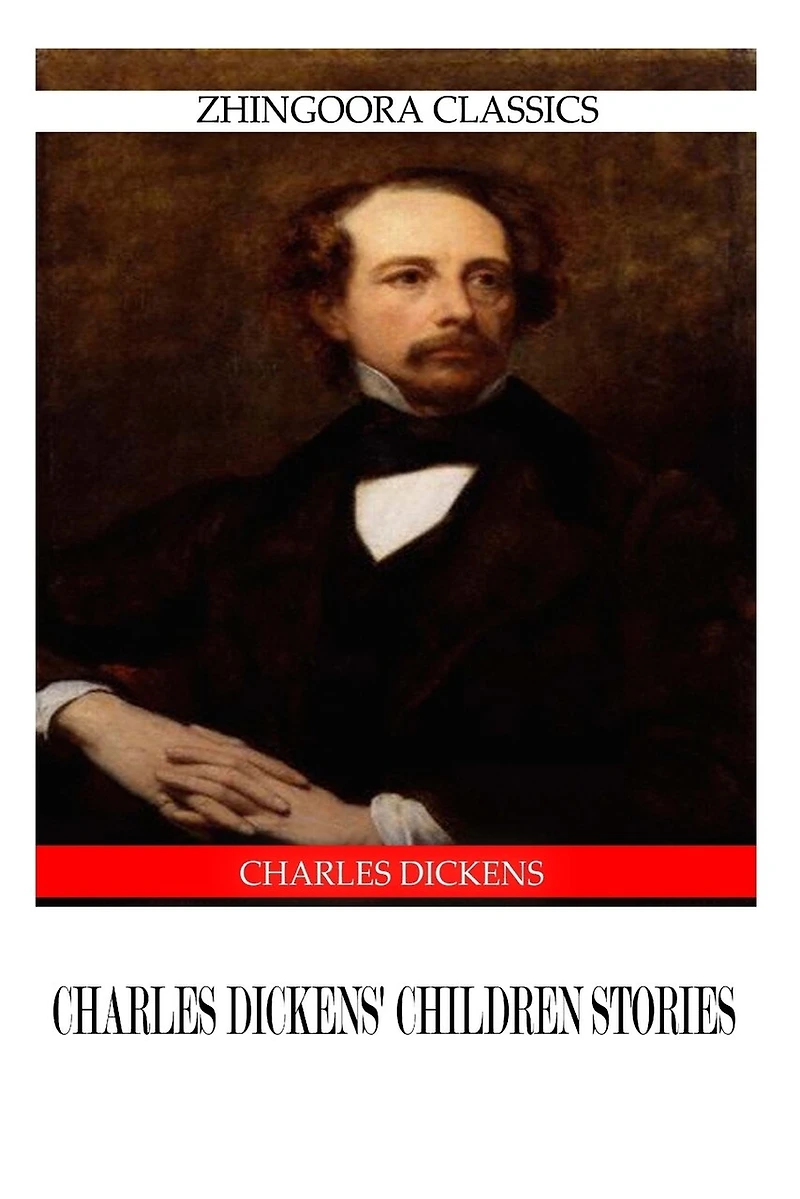
Charles Dickens' Children Stories in Grande Prairie, AB
Current price: $10.50
Coles
Charles Dickens' Children Stories in Grande Prairie, AB
Current price: $10.50
Loading Inventory...
Size: Paperback
*Product information and pricing may vary - to confirm current pricing, availability, shipping, and return information please contact Coles. In the event of a pricing discrepancy, the retailer's price will apply.
When we consider Dickens's life and work, in comparison with that of the two great poets we have been studying, the contrast is startling. While Tennyson and Browning were being educated for the life of literature, and shielded most tenderly from the hardships of the world, Dickens, a poor, obscure, and suffering child, was helping to support a shiftless family by pasting labels on blacking bottles, sleeping under a counter like a homeless cat, and once a week timidly approaching the big prison where his father was confined for debt. In 1836 his Pickwick was published, and life was changed as if a magician had waved his wand over him. While the two great poets were slowly struggling for recognition, Dickens, with plenty of money and too much fame, was the acknowledged literary hero of England, the idol of immense audiences which gathered to applaud him wherever he appeared. And there is also this striking contrast between the novelist and the poets, --that while the whole tendency of the age was toward realism, away from the extremes of the romanticists and from the oddities and absurdities of the early novel writers, it was precisely by emphasizing oddities and absurdities, by making caricatures rather than characters, that Dickens first achieved his popularity
When we consider Dickens's life and work, in comparison with that of the two great poets we have been studying, the contrast is startling. While Tennyson and Browning were being educated for the life of literature, and shielded most tenderly from the hardships of the world, Dickens, a poor, obscure, and suffering child, was helping to support a shiftless family by pasting labels on blacking bottles, sleeping under a counter like a homeless cat, and once a week timidly approaching the big prison where his father was confined for debt. In 1836 his Pickwick was published, and life was changed as if a magician had waved his wand over him. While the two great poets were slowly struggling for recognition, Dickens, with plenty of money and too much fame, was the acknowledged literary hero of England, the idol of immense audiences which gathered to applaud him wherever he appeared. And there is also this striking contrast between the novelist and the poets, --that while the whole tendency of the age was toward realism, away from the extremes of the romanticists and from the oddities and absurdities of the early novel writers, it was precisely by emphasizing oddities and absurdities, by making caricatures rather than characters, that Dickens first achieved his popularity
You May Also Like








Find at Prairie Mall in Grande Prairie, AB
Visit at Prairie Mall in Grande Prairie, AB