


Gifting Made Simple
Give the Gift of ChoiceClick below to purchase a Prairie Mall eGift Card that can be used at participating retailers at Prairie Mall.Buy Gift CardHome
Changes in Ethical Worldviews of Spanish Missionaries in Mexico: An Ethical Transition from Sight to Touch in the 16th and 17th Centuries
Coles
Loading Inventory...
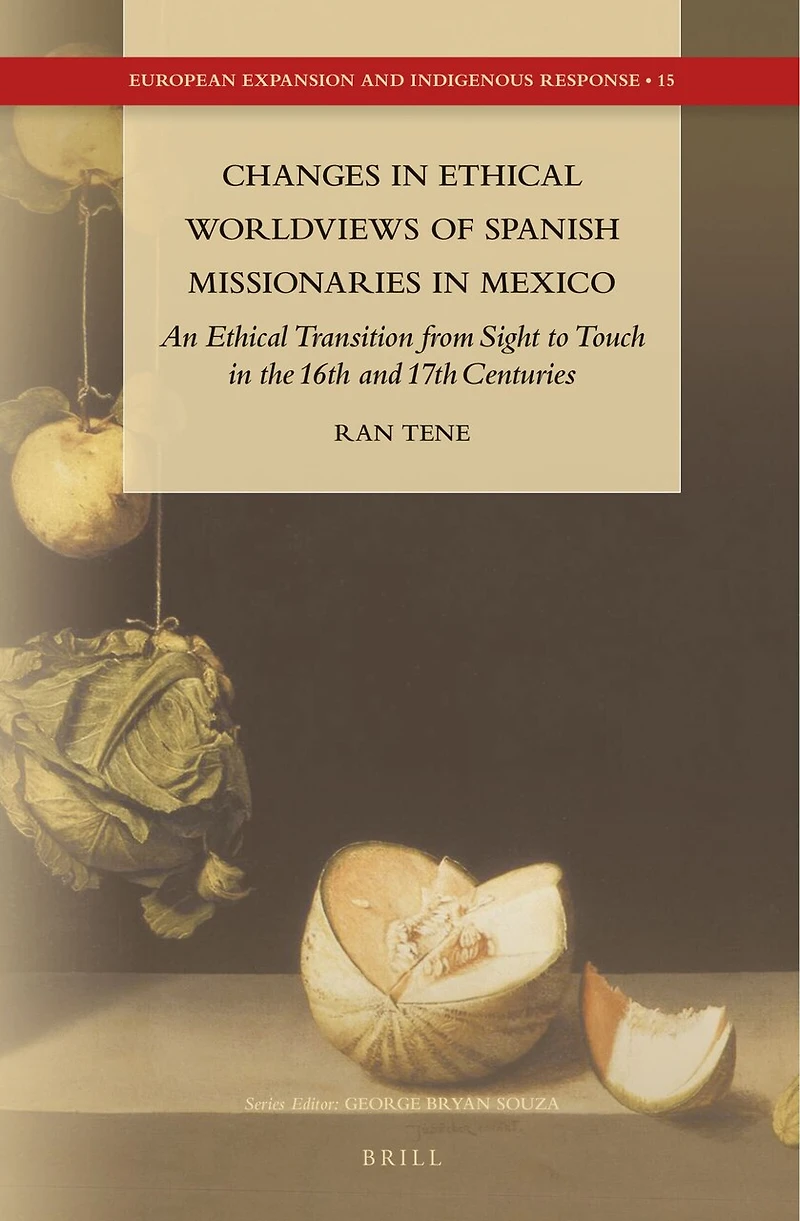
Changes in Ethical Worldviews of Spanish Missionaries in Mexico: An Ethical Transition from Sight to Touch in the 16th and 17th Centuries in Grande Prairie, AB
Current price: $184.99
Coles
Changes in Ethical Worldviews of Spanish Missionaries in Mexico: An Ethical Transition from Sight to Touch in the 16th and 17th Centuries in Grande Prairie, AB
Current price: $184.99
Loading Inventory...
Size: Hardcover
*Product information and pricing may vary - to confirm current pricing, availability, shipping, and return information please contact Coles. In the event of a pricing discrepancy, the retailer's price will apply.
"Conversion" is a basic religious concept, which has manifold implications for our everyday lives. Ran Tene's Changes in Ethical Worldviews of Spanish Missionaries in Mexico utilizes a cross-disciplinary methodology in which the fields of Philosophy, History, and Literary Studies are drawn upon to analyze conversion. He focuses on two moments in Spanish writing about Mexican missions, the early to mid-sixteenth century writings of the Spanish missionaries to Mexico and the early seventeenth century manuscripts of the author/copyist Fray Juan de Torquemada. The analysis exposes changes in worldviews - including the concepts of identity, ownership, and cruelty - through missionary eyes. It suggests two theoretical models - the vision model and the model of touch - to describe these changes, which are manifested in the missionary project and in the texts that it (re)produced.
"Conversion" is a basic religious concept, which has manifold implications for our everyday lives. Ran Tene's Changes in Ethical Worldviews of Spanish Missionaries in Mexico utilizes a cross-disciplinary methodology in which the fields of Philosophy, History, and Literary Studies are drawn upon to analyze conversion. He focuses on two moments in Spanish writing about Mexican missions, the early to mid-sixteenth century writings of the Spanish missionaries to Mexico and the early seventeenth century manuscripts of the author/copyist Fray Juan de Torquemada. The analysis exposes changes in worldviews - including the concepts of identity, ownership, and cruelty - through missionary eyes. It suggests two theoretical models - the vision model and the model of touch - to describe these changes, which are manifested in the missionary project and in the texts that it (re)produced.
You May Also Like

















Find at Prairie Mall in Grande Prairie, AB
Visit at Prairie Mall in Grande Prairie, AB