


Gifting Made Simple
Give the Gift of ChoiceClick below to purchase a Prairie Mall eGift Card that can be used at participating retailers at Prairie Mall.Buy Gift CardHome
Champion: The Making and Unmaking of the English Midland Landscape
Coles
Loading Inventory...
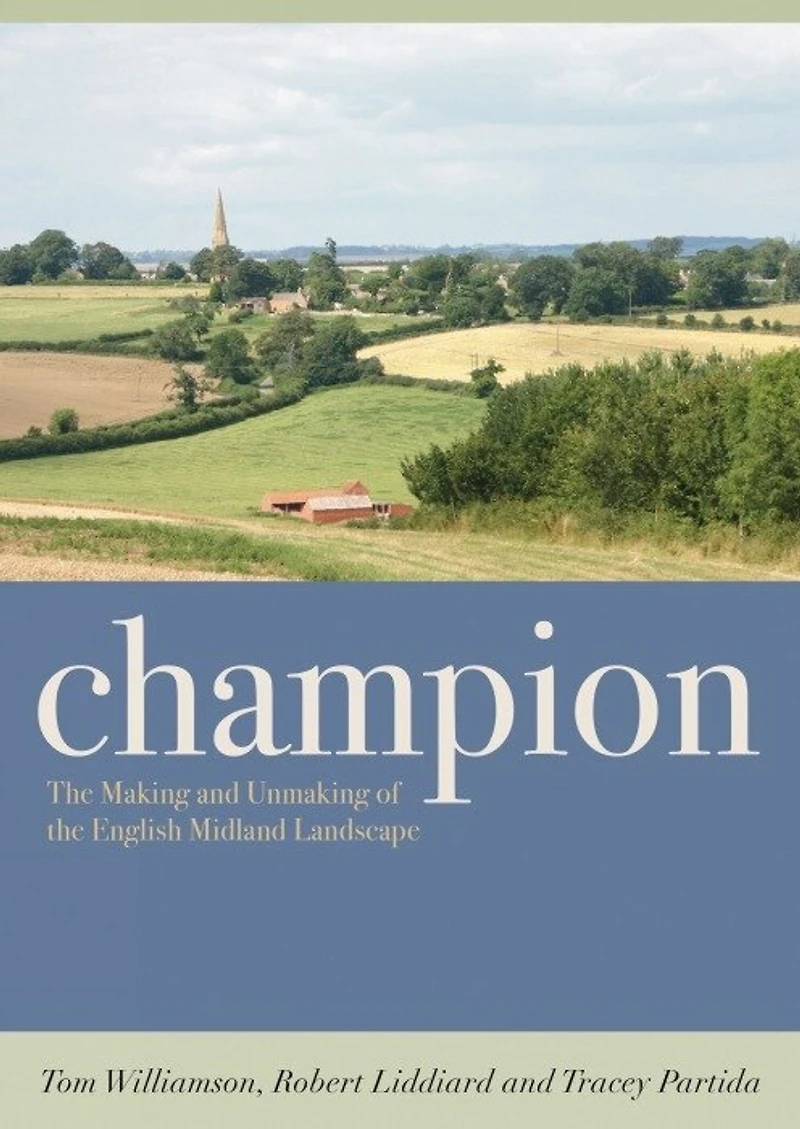
Champion: The Making and Unmaking of the English Midland Landscape in Grande Prairie, AB
Current price: $216.95
Coles
Champion: The Making and Unmaking of the English Midland Landscape in Grande Prairie, AB
Current price: $216.95
Loading Inventory...
Size: Hardcover
*Product information and pricing may vary - to confirm current pricing, availability, shipping, and return information please contact Coles. In the event of a pricing discrepancy, the retailer's price will apply.
Champion: The pattern of nucleated settlements and extensive open fields most commonly found within the landscape of the Midlands. This book presents a radical reinterpretation of the origins of villages and open fields, and their development in the late medieval and post-medieval periods, in the Midland, ‘champion’ areas of England. Most landscape historians believe that villages were created in the middle or later Saxon periods through the ‘nucleation’ of a formerly dispersed pattern of settlement, that many villages were initially laid out as planned, regular settlements and that open fields probably came into existence at the same time. Re-examination and mapping of the data suggests ‘nucleation’ is a myth, ‘village planning’ an illusion and open fields were created, at least in their classic, ‘regular’ forms, only in the eleventh or twelfth centuries.
Champion: The pattern of nucleated settlements and extensive open fields most commonly found within the landscape of the Midlands. This book presents a radical reinterpretation of the origins of villages and open fields, and their development in the late medieval and post-medieval periods, in the Midland, ‘champion’ areas of England. Most landscape historians believe that villages were created in the middle or later Saxon periods through the ‘nucleation’ of a formerly dispersed pattern of settlement, that many villages were initially laid out as planned, regular settlements and that open fields probably came into existence at the same time. Re-examination and mapping of the data suggests ‘nucleation’ is a myth, ‘village planning’ an illusion and open fields were created, at least in their classic, ‘regular’ forms, only in the eleventh or twelfth centuries.
You May Also Like











Find at Prairie Mall in Grande Prairie, AB
Visit at Prairie Mall in Grande Prairie, AB