


Gifting Made Simple
Give the Gift of ChoiceClick below to purchase a Prairie Mall eGift Card that can be used at participating retailers at Prairie Mall.Buy Gift CardHome
Ceramic Conduits: Thermal Expansion in Zapotec Underground Pipe Networks: Clay, Firing, and the Microscopic Durability of Pre-Columbian Water Infrastructure
Coles
Loading Inventory...
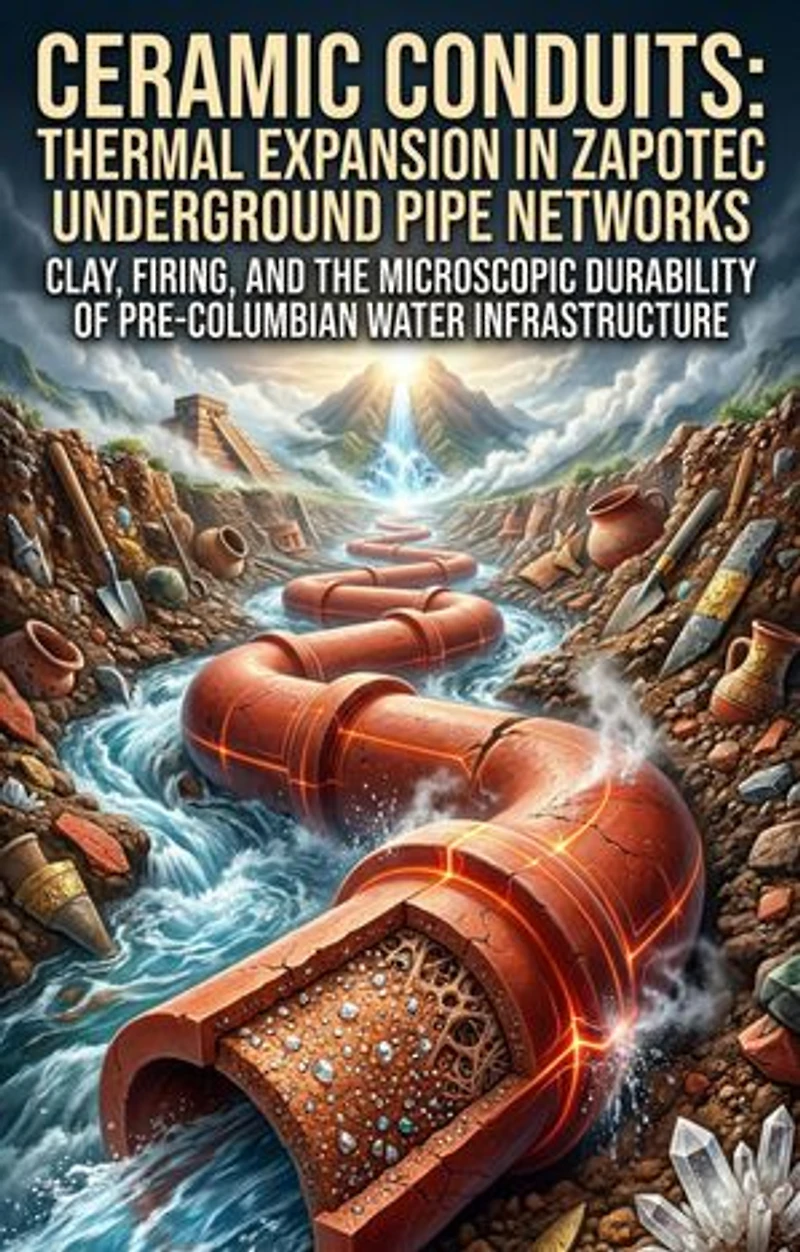
Ceramic Conduits: Thermal Expansion in Zapotec Underground Pipe Networks: Clay, Firing, and the Microscopic Durability of Pre-Columbian Water Infrastructure in Grande Prairie, AB
Current price: $7.99
Coles
Ceramic Conduits: Thermal Expansion in Zapotec Underground Pipe Networks: Clay, Firing, and the Microscopic Durability of Pre-Columbian Water Infrastructure in Grande Prairie, AB
Current price: $7.99
Loading Inventory...
Size: Kobo eBook
*Product information and pricing may vary - to confirm current pricing, availability, shipping, and return information please contact Coles. In the event of a pricing discrepancy, the retailer's price will apply.
Establishing a reliable, high-pressure plumbing system requires materials that will not rupture under the strain of shifting soil or sudden temperature drops. Thousands of years before the mass production of cast iron, Zapotec engineers in the Oaxaca valley achieved this necessary durability using locally sourced, precisely engineered clays. The secret to their success lay in the highly specific firing process of their ceramic conduits. By mixing crushed quartz and limestone into the wet clay before baking, artisans created a composite material with an incredibly low coefficient of thermal expansion. When ice-cold mountain spring water rushed through pipes buried in sun-baked earth, the ceramic matrix absorbed the severe thermal shock without fracturing. This microscopic manipulation of clay ensured that their underground aqueducts remained completely intact for centuries. Examine the molecular resilience of ancient pottery. Learn how indigenous artisans engineered composite ceramics to withstand the harsh thermal and physical stresses of a subterranean plumbing network.
Establishing a reliable, high-pressure plumbing system requires materials that will not rupture under the strain of shifting soil or sudden temperature drops. Thousands of years before the mass production of cast iron, Zapotec engineers in the Oaxaca valley achieved this necessary durability using locally sourced, precisely engineered clays. The secret to their success lay in the highly specific firing process of their ceramic conduits. By mixing crushed quartz and limestone into the wet clay before baking, artisans created a composite material with an incredibly low coefficient of thermal expansion. When ice-cold mountain spring water rushed through pipes buried in sun-baked earth, the ceramic matrix absorbed the severe thermal shock without fracturing. This microscopic manipulation of clay ensured that their underground aqueducts remained completely intact for centuries. Examine the molecular resilience of ancient pottery. Learn how indigenous artisans engineered composite ceramics to withstand the harsh thermal and physical stresses of a subterranean plumbing network.
You May Also Like
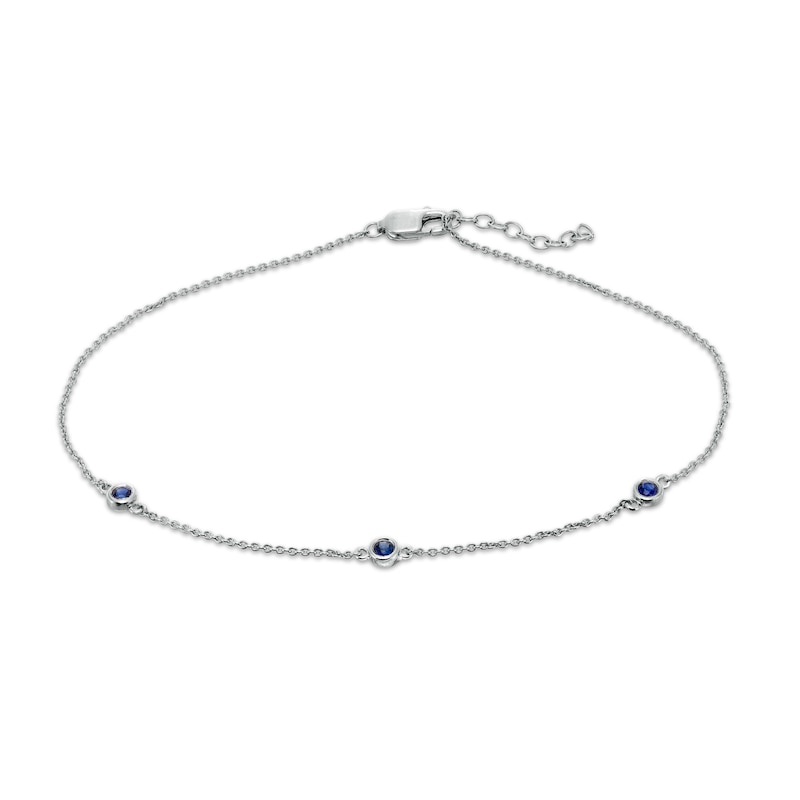




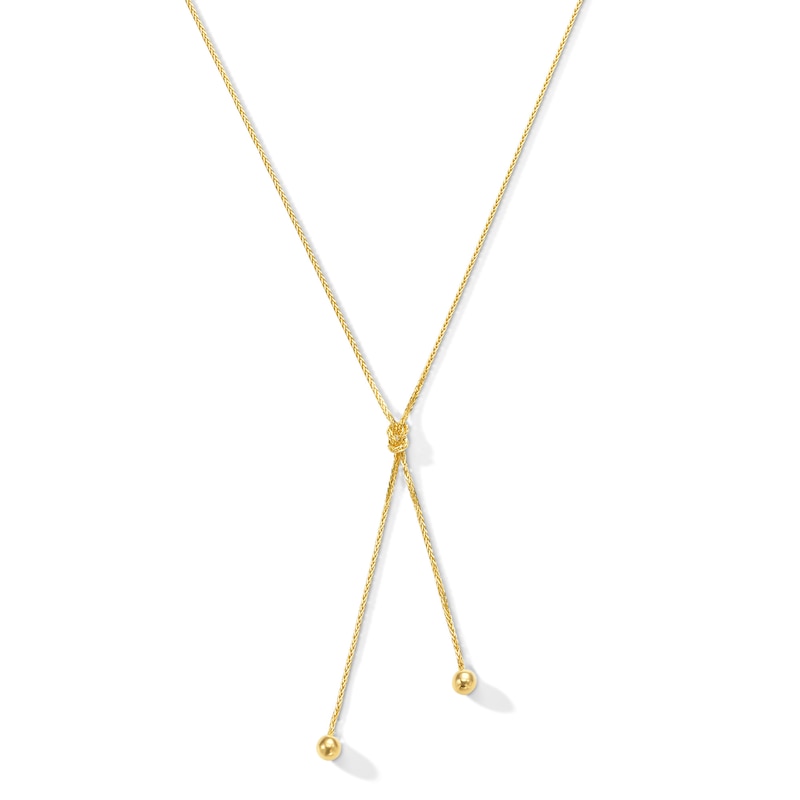


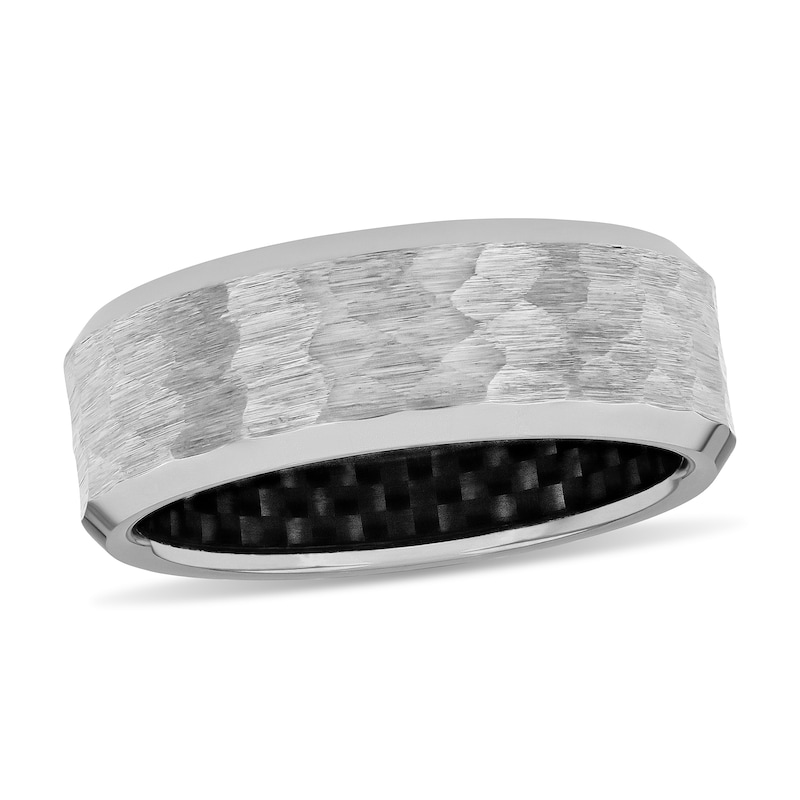









Find at Prairie Mall in Grande Prairie, AB
Visit at Prairie Mall in Grande Prairie, AB