


Gifting Made Simple
Give the Gift of ChoiceClick below to purchase a Prairie Mall eGift Card that can be used at participating retailers at Prairie Mall.Buy Gift CardHome
Centering Gender in the Era of Digital and Green Transition: Intersectional Perspectives
Coles
Loading Inventory...
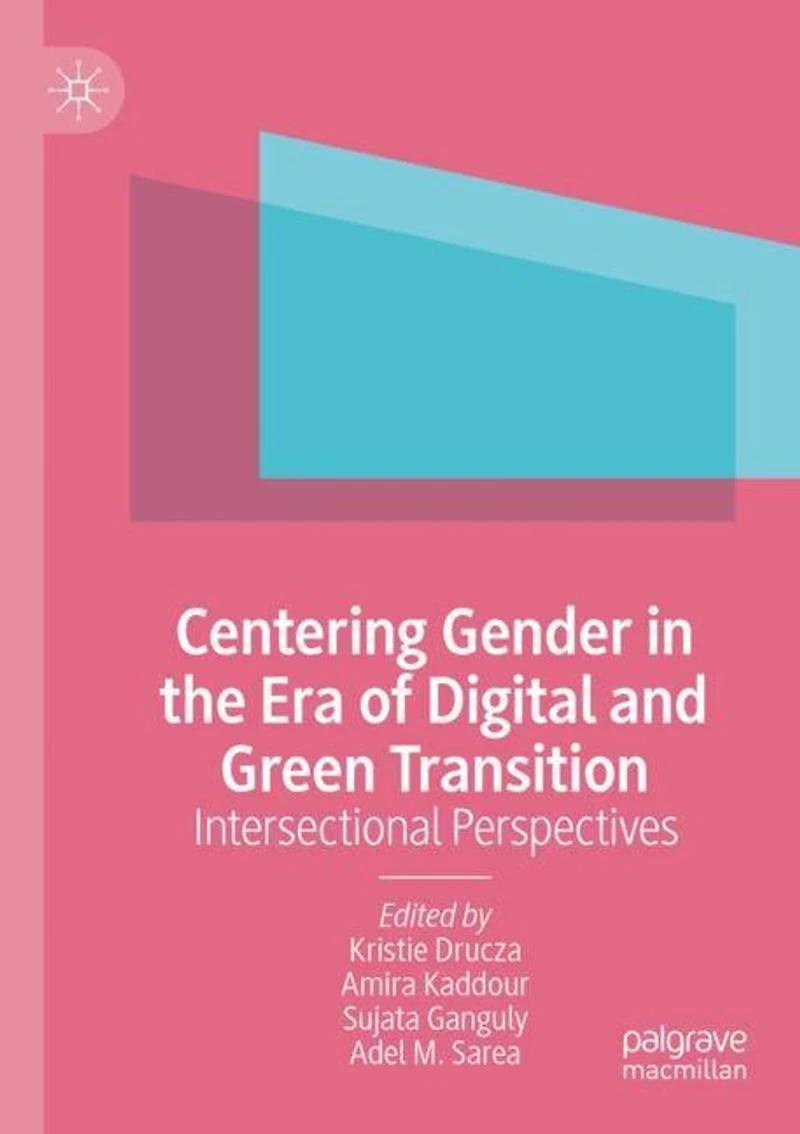
Centering Gender in the Era of Digital and Green Transition: Intersectional Perspectives in Grande Prairie, AB
Current price: $204.50
Coles
Centering Gender in the Era of Digital and Green Transition: Intersectional Perspectives in Grande Prairie, AB
Current price: $204.50
Loading Inventory...
Size: Paperback
*Product information and pricing may vary - to confirm current pricing, availability, shipping, and return information please contact Coles. In the event of a pricing discrepancy, the retailer's price will apply.
This edited volume examines the importance of centering gender in research and policymaking focused on climate change, environmental sustainability, and digital technology. Chapters unpack how the transition to a green and digital future affects various fields and industry sectors including STEM, agriculture, and energy, as well as why gender-transformative approaches-particularly the production and analysis of gender-inclusive disaggregated data-should be included in those transitions. The editors and authors also look at the positive impact of these considerations on economic growth and poverty eradication. Finally, this book presents an ideal/utopian view of what a gender-equal and inclusive world that has transitioned to green industries and embraced digital technologies might look like.
This book will be of interest to scholars, researchers, students and policymakers across the Social Sciences including Sociology, Anthropology, Gender Studies, Science & Technology Studies, and Economics.
This edited volume examines the importance of centering gender in research and policymaking focused on climate change, environmental sustainability, and digital technology. Chapters unpack how the transition to a green and digital future affects various fields and industry sectors including STEM, agriculture, and energy, as well as why gender-transformative approaches-particularly the production and analysis of gender-inclusive disaggregated data-should be included in those transitions. The editors and authors also look at the positive impact of these considerations on economic growth and poverty eradication. Finally, this book presents an ideal/utopian view of what a gender-equal and inclusive world that has transitioned to green industries and embraced digital technologies might look like.
This book will be of interest to scholars, researchers, students and policymakers across the Social Sciences including Sociology, Anthropology, Gender Studies, Science & Technology Studies, and Economics.
You May Also Like














Find at Prairie Mall in Grande Prairie, AB
Visit at Prairie Mall in Grande Prairie, AB