


Gifting Made Simple
Give the Gift of ChoiceClick below to purchase a Prairie Mall eGift Card that can be used at participating retailers at Prairie Mall.Buy Gift CardHome
Cellular Peptide Hormone Synthesis and Secretory Pathways
Coles
Loading Inventory...
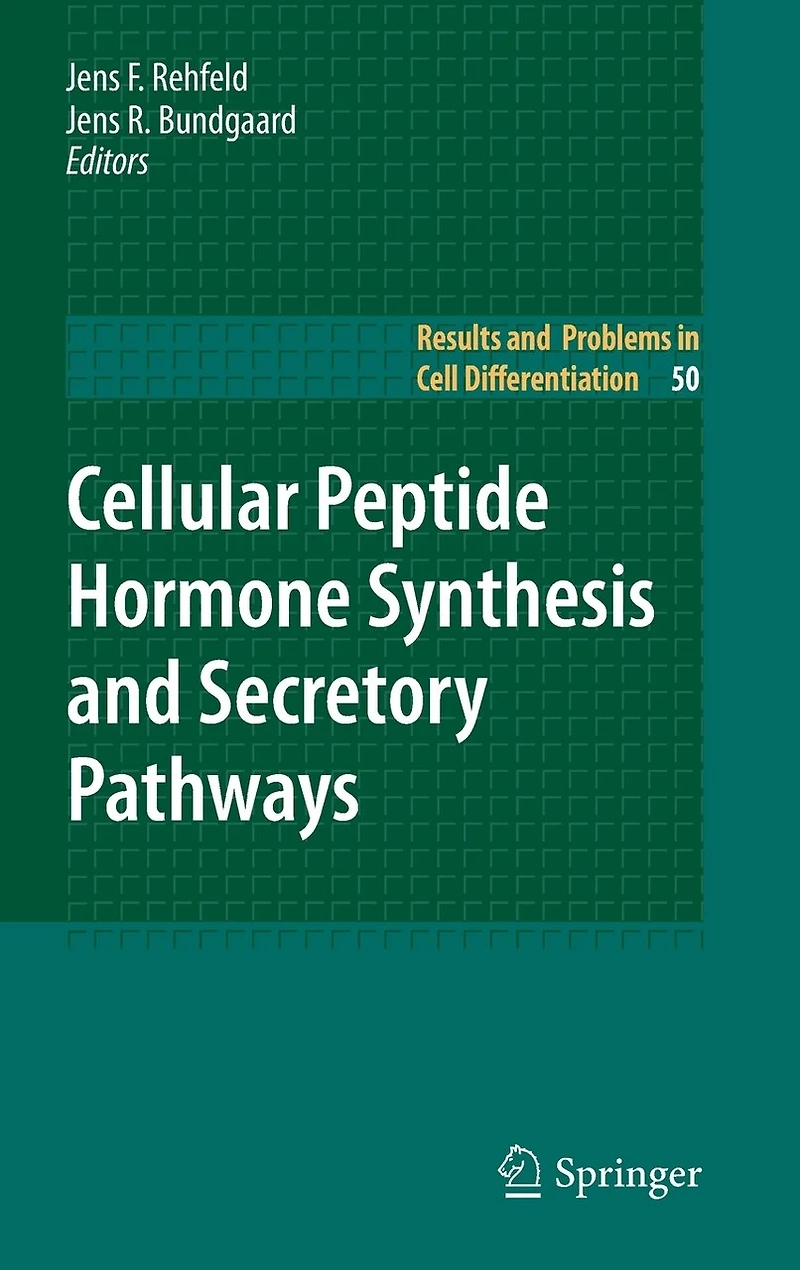
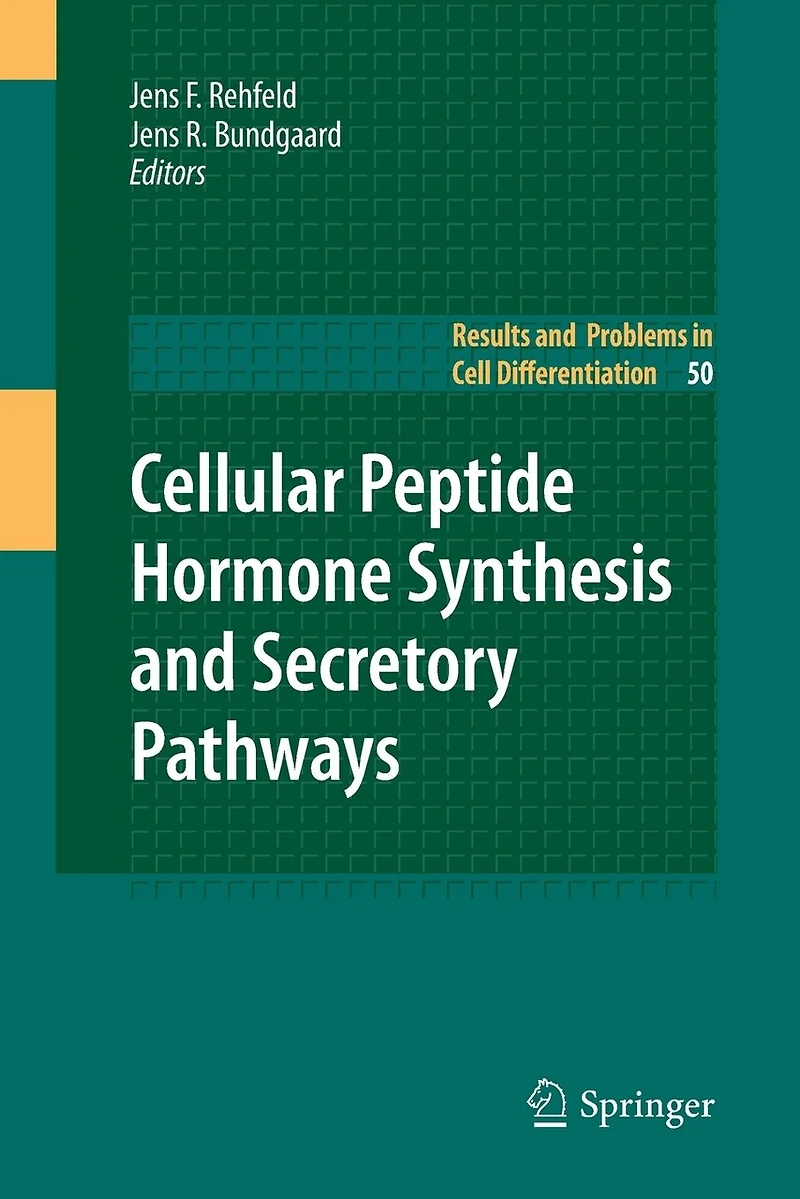
Cellular Peptide Hormone Synthesis and Secretory Pathways in Grande Prairie, AB
Current price: $321.50
Coles
Cellular Peptide Hormone Synthesis and Secretory Pathways in Grande Prairie, AB
Current price: $321.50
Loading Inventory...
Size: Hardcover
*Product information and pricing may vary - to confirm current pricing, availability, shipping, and return information please contact Coles. In the event of a pricing discrepancy, the retailer's price will apply.
The concept of hormonal regulation using intercellular peptide messengers dates back to the discovery of secretin in 1902. The concept was simple: A peptide is released from specific hormone producing cells, endocrine cells, into circulation upon stimulation of the cells. The peptide hormone travels via blood to its target, the cells of which are equipped with specific receptors for high-affinity binding of the particular peptide hormone. Receptor binding subsequently elicits action of the target cells. This concept has been seriously challenged by modern biochemistry and cell biology. Thus, it is now well established that the gene of a specific peptide hormone may be expressed in different types of endocrine cells, in neurons, and in some instances also in adipocytes, myocytes, osteoblasts, and immune cells. Today, only a few hormones - including the old master hormone insulin - represent the original endocrine paradigm. Instead, the widespread cellular synthesis now raises the qu- tion of how the body maintains the regulation of its functions by peptide hormones when a hormone may originate from a variety of cells.
The concept of hormonal regulation using intercellular peptide messengers dates back to the discovery of secretin in 1902. The concept was simple: A peptide is released from specific hormone producing cells, endocrine cells, into circulation upon stimulation of the cells. The peptide hormone travels via blood to its target, the cells of which are equipped with specific receptors for high-affinity binding of the particular peptide hormone. Receptor binding subsequently elicits action of the target cells. This concept has been seriously challenged by modern biochemistry and cell biology. Thus, it is now well established that the gene of a specific peptide hormone may be expressed in different types of endocrine cells, in neurons, and in some instances also in adipocytes, myocytes, osteoblasts, and immune cells. Today, only a few hormones - including the old master hormone insulin - represent the original endocrine paradigm. Instead, the widespread cellular synthesis now raises the qu- tion of how the body maintains the regulation of its functions by peptide hormones when a hormone may originate from a variety of cells.
You May Also Like


















Find at Prairie Mall in Grande Prairie, AB
Visit at Prairie Mall in Grande Prairie, AB